


BY MFANUFIKILE KHATHWANE
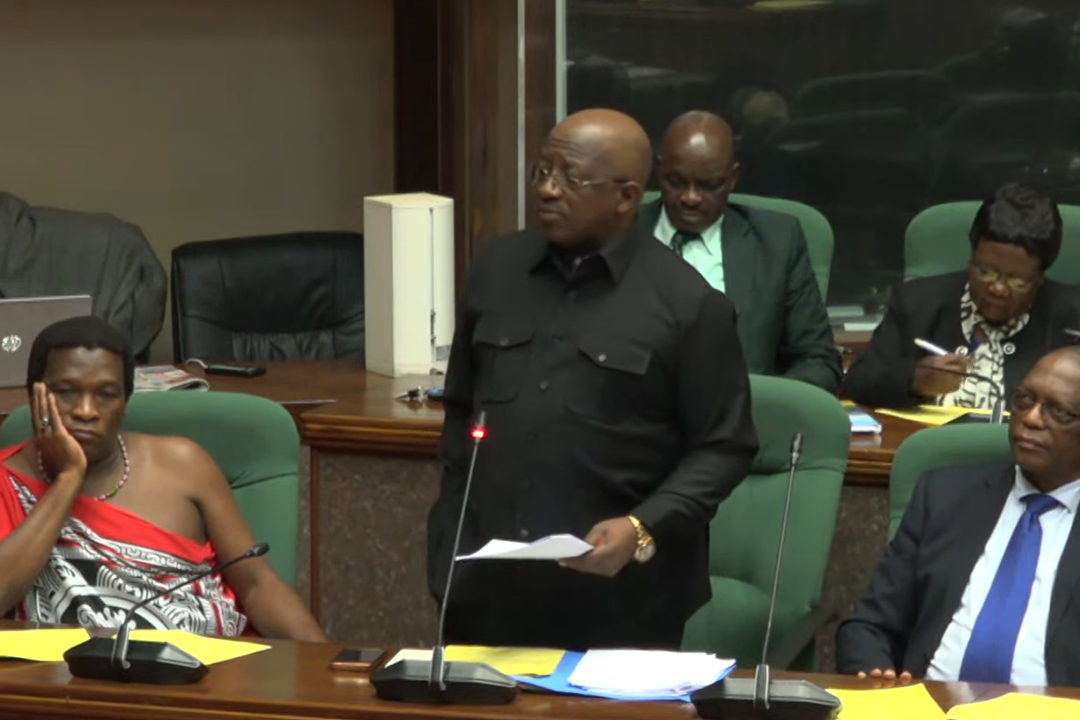
LOBAMBA – Lobamba Lomdzala Member of Parliament Marwick Khumalo has called for emaSwati to be consulted before Parliament decides on the motion seeking to make DNA testing compulsory before the issuance of birth certificates.
Speaking during debate in the House of Assembly, Marwick Khumalo said the issue should first be taken to constituencies across the country so that citizens can express their views before Parliament adopts any resolution.
He said the proposal had far-reaching social, legal and financial implications and should not be decided without consulting the people. Khumalo added that compulsory DNA testing could help address cases where the identity of a child’s biological father is unknown, reducing the burden on Government in supporting children whose fathers cannot be traced. He said the matter would generate significant public interest and deserved national consultation.
The call for constituency consultations was, however, challenged by some Members of Parliament.

Sandile Nxumalo opposed compulsory DNA testing, arguing that forcing every parent to undergo the process would make everyone a suspect despite having done nothing wrong. He questioned how citizens’ constitutional right to privacy would be protected and maintained that DNA testing should remain a personal choice rather than a legal requirement. He also disagreed with taking the matter to constituencies.
Ndzingeni Member of Parliament Mduduzi Magagula also rejected the proposal for constituency consultations, saying Members of Parliament were elected because the people trusted them to make decisions on their behalf. He further opposed the motion, warning that compulsory DNA testing could result in some children failing to obtain birth certificates where their fathers are unknown, potentially affecting their access to essential services.
His views were supported by the Mhlume Member of Parliament and the Manzini Regional Member of Parliament, who also opposed the motion. They argued that implementing mandatory DNA testing would place an additional financial burden on Government.
Earlier in the debate, Mangcongco Member of Parliament Lomalanga Dlamini cautioned that making DNA testing compulsory could have unintended consequences, including an increase in divorce cases and family disputes.
Supporting the motion, Mtfongwaneni Member of Parliament Nathi Hlophe said it was emotionally devastating for people to discover later in life that they did not belong to the family that raised them. He said some women falsely identify men as fathers of their children, causing emotional pain and financial hardship. Hlophe argued that mandatory DNA testing would establish the truth from birth and help resolve cases where one child is being supported by multiple men claiming or being made to believe they are the father.
The parliamentary debate follows concerns previously raised by the Minister for Home Affairs, Princess Lindiwe, who opposed the proposal when it was first introduced. The Minister argued that making DNA testing compulsory for every birth would be costly for Government, could create unnecessary public conflict and would not align with some of Eswatini’s cultural values.
She also noted that only a small percentage of births involve disputed paternity and called for extensive public consultations before any legislative changes are considered.
The proposal remains under parliamentary consideration and has not become law.
#Parliament #HouseOfAssembly #DNATesting #BirthCertificates #PublicConsultation #Constituencies #MarwickKhumalo #Governance #Legislation #ChildRights #NationalDebate #EmaSwati