



BY MBONO MDLULI
MBABANE – Eswatini’s health sector is increasingly turning to data-driven decision-making as authorities seek to strengthen healthcare delivery and accelerate progress towards Universal Health Coverage.
According to the Ministry of Health, this emerged during the Annual Data Reports Dissemination Meeting, where health programmes from across the sector reviewed performance, achievements and challenges, highlighting the growing role of evidence-based planning in shaping the country’s healthcare future.
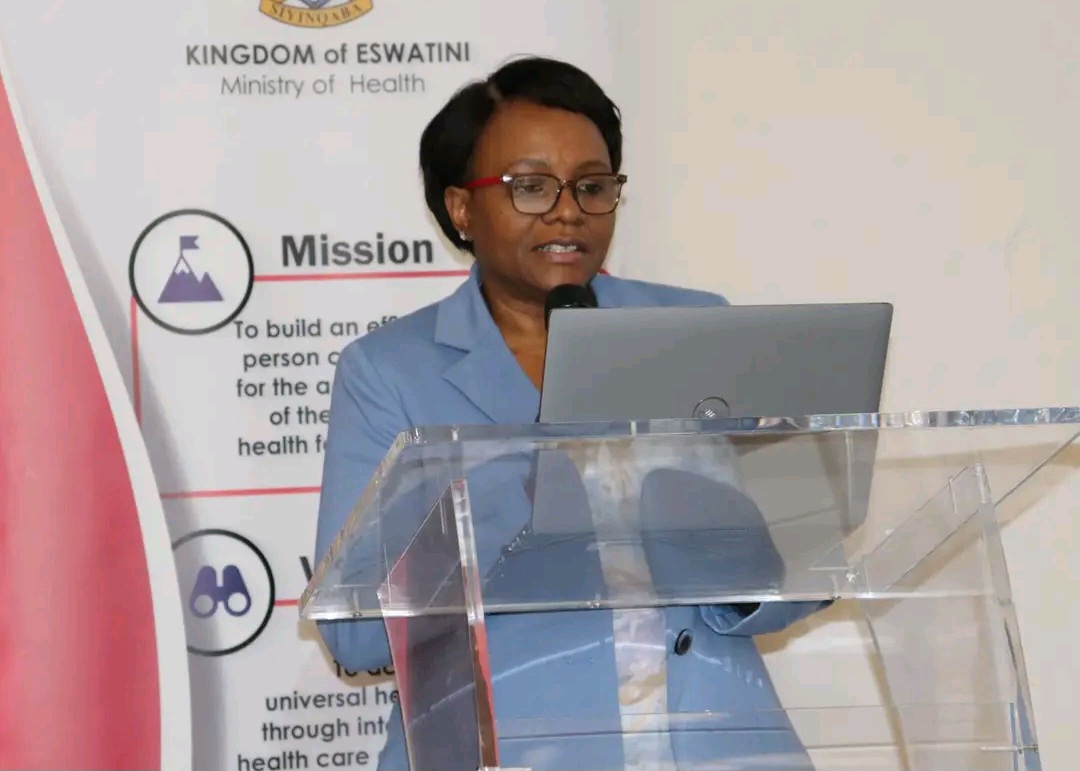
Addressing stakeholders, Director of Health Services Dr Velephi Okello stressed that health data must evolve beyond a reporting tool and become a strategic asset that guides policy, predicts future challenges and improves patient outcomes.
“The true value of this data does not lie in its collection but in its active application,” Dr Okello said, noting that health systems must increasingly focus on understanding the causes behind trends, anticipating future developments and identifying interventions that deliver the greatest impact.

The discussions reflected a growing recognition that modern healthcare depends on the ability to connect information across multiple programmes. Dr Okello argued that achieving the goals of the National Health Sector Strategic Plan (2024–2028) will require the country to move away from isolated data systems and towards a more integrated approach that allows health authorities to identify and address systemic challenges.
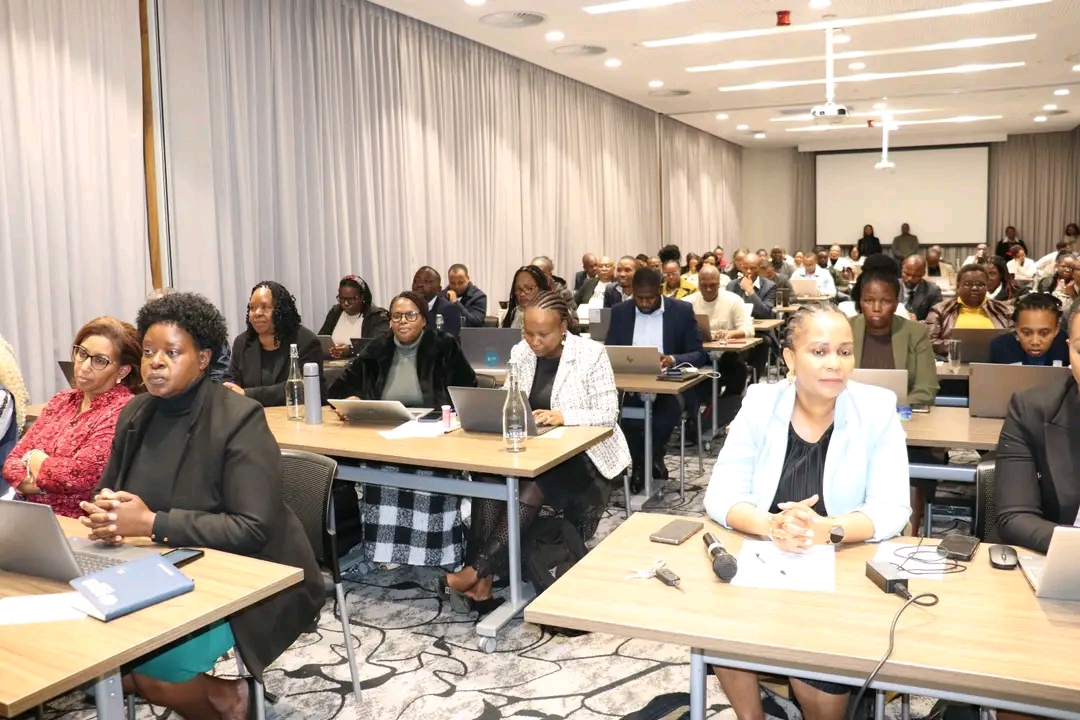 Presentations covered a wide range of programmes, including community health, child health, sexual and reproductive health, tuberculosis, malaria, cancer, mental health, laboratory services and blood banking. Officials highlighted both progress made and areas requiring further attention to improve service delivery and increase uptake of health services.
The meeting also explored emerging innovations such as the application of artificial intelligence in monitoring and evaluation, signalling the Ministry’s interest in leveraging technology to strengthen health intelligence and planning.
Health officials believe that integrating information from various programmes will provide a clearer picture of population health needs, enabling resources to be directed where they are needed most and helping to improve healthcare outcomes nationwide.
The Ministry of Health acknowledged the continued support of development and implementing partners, as well as members of Parliament’s Health Portfolio Committees, in advancing the country’s healthcare agenda.