


- Minister Calls for Media Integrity Reset
- Global Media Shifts Threaten Truth and Independence
- Trust Crisis Demands Ethical Journalism Revival
BY MBONGENI NDLELA
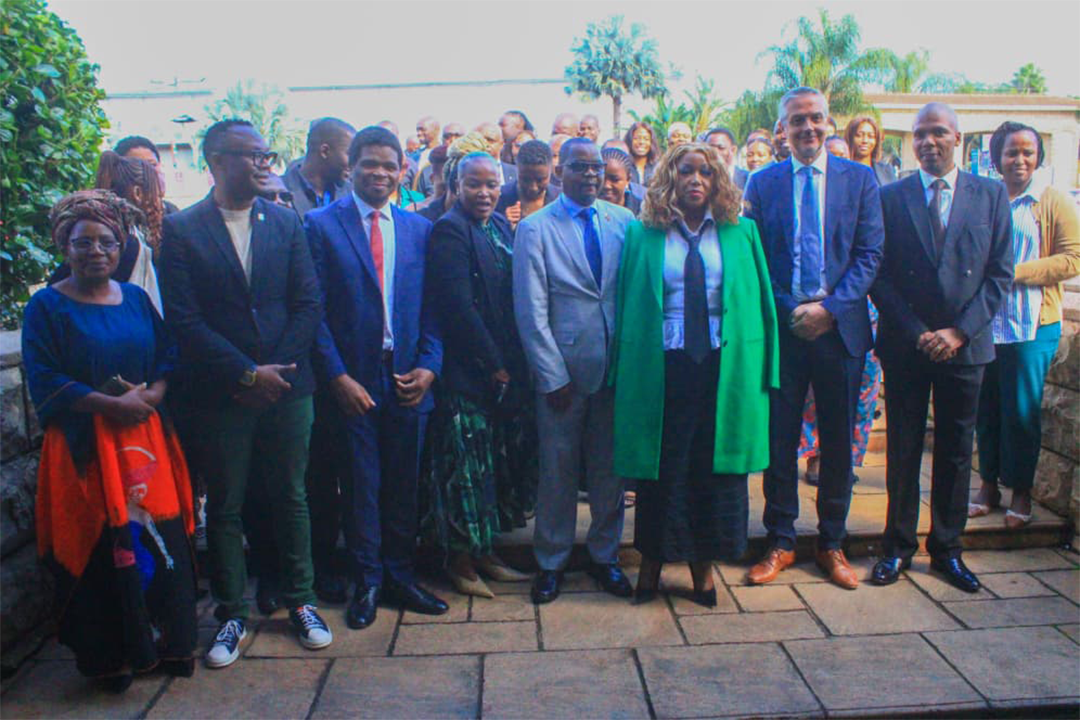
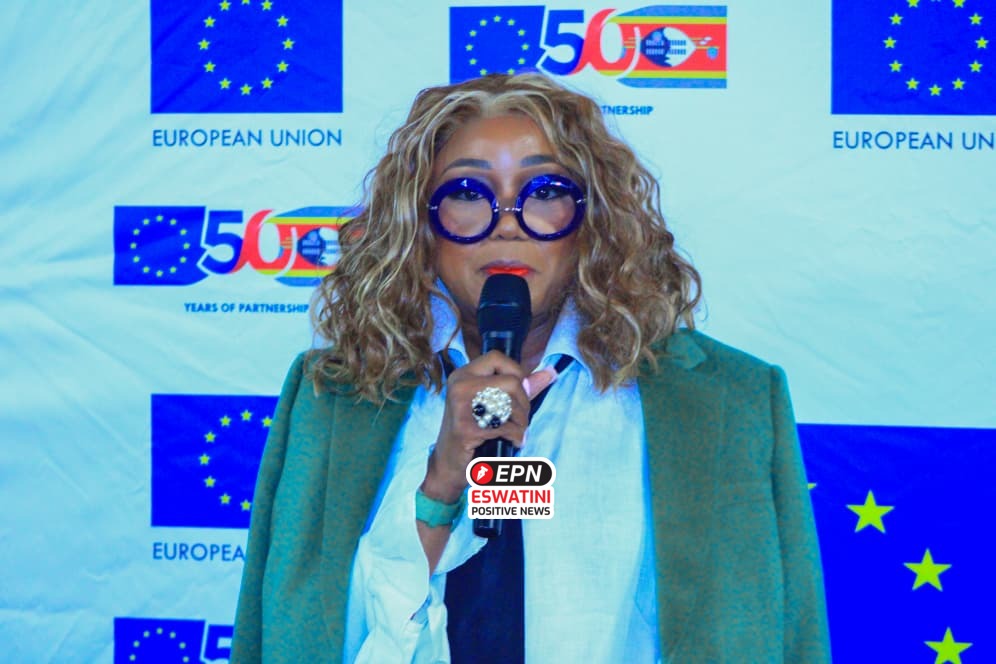
EZULWINI – Minister of Information, Communications and Technology, Savannah Maziya, delivered a powerful and thought-provoking address at the World Press Freedom Day commemoration held at Happy Valley Hotel today, challenging journalists to reclaim their role as custodians of truth in a rapidly changing global media landscape.
Speaking candidly and drawing from her own experience in the media industry, Maziya shared both the opportunities and threats facing journalism today, calling for renewed commitment to ethical reporting and public trust.
“I’ve always had a soft spot for people in the media,” she said. “Communication is one of the greatest arts we have in our world.”
The Minister moved beyond formalities and engaged the audience directly, choosing to speak from the heart rather than read a prepared statement. She reflected on her past as a media owner and the long-standing tension between editorial content and commercial interests.

“That struggle between news and advertising is as old as the industry itself,” she noted. “But it works best when everyone remembers they are partners in making the media house succeed.”
Maziya warned that global shifts in media ownership and the rise of digital platforms are reshaping how truth is defined and consumed. She pointed to increasing consolidation in the media industry as a potential threat to independent journalism.
“You may start to see less news and more advertorial,” she said. “It looks like news, sounds like news, but it’s not news, it’s opinion, it’s sales, it’s shaping thinking.”
She explained that journalists hold immense power in shaping public understanding and must exercise that responsibility with integrity.
“People understand the world because of what you write,” she stressed. “If that space is contaminated, you are stealing from your readers and listeners.”
Addressing the growing influence of social media, Maziya linked its rise to declining trust in traditional media.
“People still want information,” she said. “But they want true information. When trust declines, they turn elsewhere, even to individuals with podcasts and social media pages.”
In a strong call for accountability, she urged both media practitioners and leaders to reflect on their roles and uphold ethical standards.
“There is always a right and a responsibility,” she stated. “We cannot speak only about rights without addressing our responsibilities.”
The Minister also took a firm stance against corruption and moral decline in leadership, calling for a culture of integrity across all sectors.
“The day I take what belongs to citizens, I should have the grace to walk away,” she said. “Leadership demands accountability.”
Closing her address, Maziya encouraged introspection within the media fraternity, urging journalists to evaluate their legacy and recommit to the core values of truth, fairness, and service to the public.
“Ask yourselves: have I been truthful? Have I informed the public honestly?” she said. “Because what you teach the next generation will define the future of journalism.”
Her remarks set a compelling tone for the World Press Freedom Day discussions in Eswatini, reinforcing the vital role of a responsible, ethical, and trusted media in national development.