


BY PHUMELELE GAMEDZE
MBABANE– As Eswatini joins the world in commemorating World Heart Day today, the Ministry of Health is encouraging Emaswati to protect their hearts through healthier lifestyles, regular health checks and early action against heart disease risks.
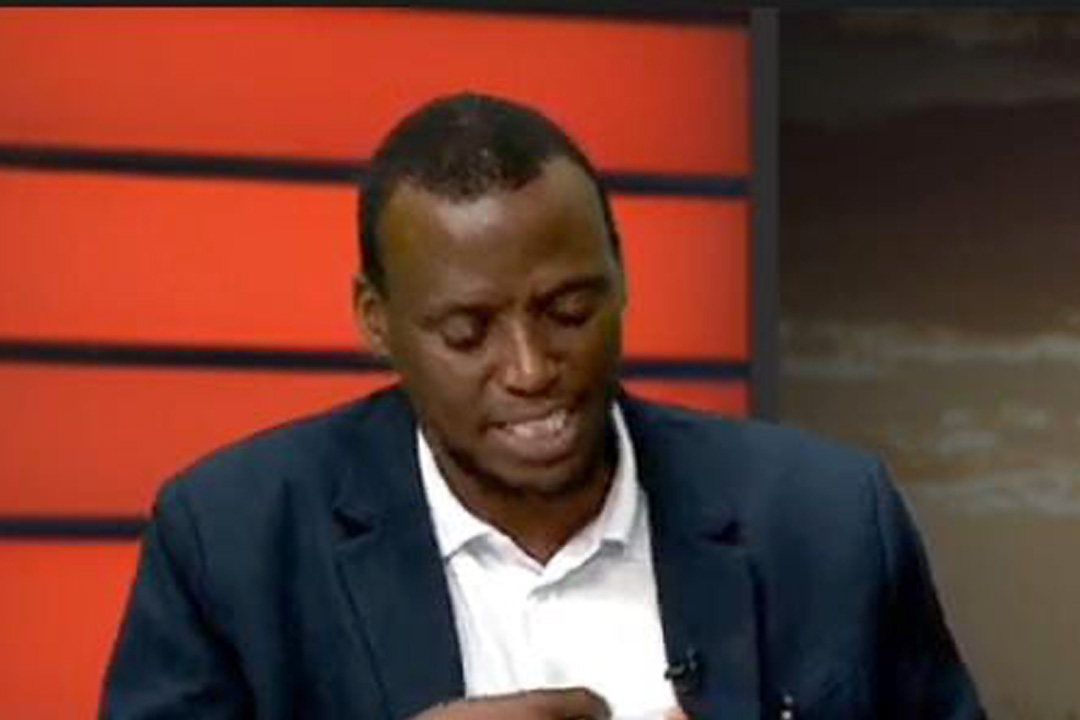
Speaking on the Kusile Breakfast Show on Eswatini TV, Ministry of Health representative Vusi Shabangu reminded viewers that the heart is one of the body’s most important organs because it keeps working throughout a person’s life.
“The heart is a very crucial part of the body. It starts working when a baby is made inside her mother’s belly until one passes away,” said Shabangu.
He explained that the heart does not take a break when people sleep, making it important for people to pay attention to their heart health even when they feel healthy.

Shabangu identified several lifestyle factors that can increase the risk of heart disease, including eating foods high in fat, salt and sugar, smoking, being overweight and consuming too many energy drinks.
He revealed that 21.7 per cent of people aged 18 to 69 in Eswatini are living with high blood pressure, while 24.7 per cent are obese and about 50 per cent are overweight.
These figures are significant because high blood pressure, obesity and unhealthy lifestyles are recognised risk factors for cardiovascular disease. The World Health Organisation (WHO) identifies cardiovascular diseases as the leading cause of death globally, with heart attacks and strokes accounting for a large share of these deaths.
Shabangu also warned about mixing energy drinks with alcohol, saying the combination can add to health risks. The US Centers for Disease Control and Prevention notes that caffeine can mask some effects of alcohol and that combining the two can be associated with increased blood pressure and irregular heartbeat.
He encouraged people to have regular health checks even when they feel well, particularly because high blood pressure can exist without noticeable symptoms.
“Sometimes you feel healthy, but it is important to go for a check-up,” he said.
Shabangu also touched on physical exercise, advising people to understand their health status and seek appropriate medical advice before starting strenuous exercise, particularly if they have underlying health concerns.
The WHO recommends regular physical activity, a healthy diet, reducing salt intake, avoiding tobacco and limiting harmful alcohol use as ways of reducing cardiovascular disease risk.
As World Heart Day is commemorated, the message from the Ministry of Health is clear: do not wait for your heart to give you a warning before you start taking care of it.
Knowing your blood pressure, maintaining a healthy weight, eating better, staying active and seeking medical advice when necessary can all form part of protecting the heart.
#WorldHeartDay #DontMissABeat #HeartHealth #Eswatini
(Courtesy Pic)