
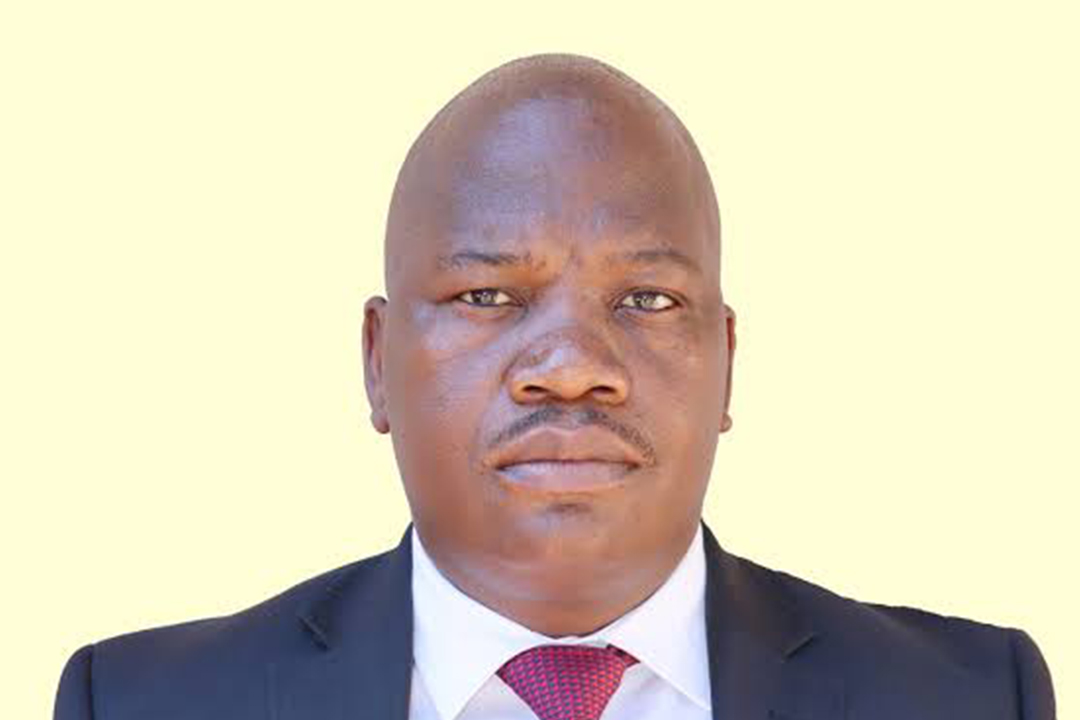



BY THEMBA ZWANE
MBABANE– Over 300 jobs will be created at Sidvokodvo, following a proposed development of a Metal Recycling Industrial Park.
Eswatini Metal Foundries (Pty) Ltd is proposing the development of the facility which will occupy approximately 15-25 hectares and form part of Eswatini’s drive toward sustainable industrialisation and a circular economy. The project will be implemented in three main phases:
– Phase 1: Tyre recycling through pyrolysis technology;
– Phase 2: Aluminum, copper, and battery recycling;

– Phase 3: Steel recycling using induction furnace systems.
Following this proposal, the Eswatini Environmental Authority (EEA) published a public notice in terms of Section 52 of the Environment Management Act of 2002. It stated that the Eswatini Metal Foundries had prepared an Environmental Impact Assessment (EIA) and Comprehensive Mitigation Plan for the proposed of development of a Metal Recycling Industrial Park at Sidvokodvo, Eswatini.
“The purpose of the study was to identify environmental and socio-economic impacts that are likely to emerge because of the proposed development so that measures are taken to mitigate negative impacts and enhance positive ones,” the notice reads in part.
Interested and affected parties are requested to submit comments and/or objections to the Executive Director of the EEA on or before 23 January 2026.
The proposed project site is located off the MR9 Sidvokodvo road, within an industrial zone earmarked by government for development.
According to the Executive Summary, the industrial park will include civil infrastructure such as access roads, utility networks, and administrative buildings. “The project will create over 300 jobs for skilled, semi-skilled, and unskilled workers, with priority given to local employment,” states the executive summary.
Key components include:
– Tyre Recycle Facility (Pyrolysis): Converts used tyres into fuel oil, carbon black, and steel wire.
– Aluminum, Copper and Brass Recycling: Uses energy-effecient Vortex and Skelner furnaces to recover non-ferrous metals.
– Battery Recycling: Recovers lead and plastic from used batteries under controlled, pollution-minimised conditions.
– Steel Recycling: Products billets and reinforcing steel through induction melting and continuous casting.
The EIA process was guided by national and international legal frameworks, including the Environmental Management Act (2002), Waste Regulations (2000), and Water Pollution Control Regulations (2010). International conventions such as the Basel Convention and Paris Agreement were also considered.
(Courtesy Pic)


