


…Taiwan-backed training targets resilient farming, sustainable livelihoods
BY PHUMELELE GAMEDZE
MBABANE— Communities across Eswatini could soon benefit from improved knowledge on indigenous crops, water management and sustainable farming after staff from the Deputy Prime Minister’s Office (DPMO) completed specialised agricultural training aimed at strengthening food security and climate resilience.
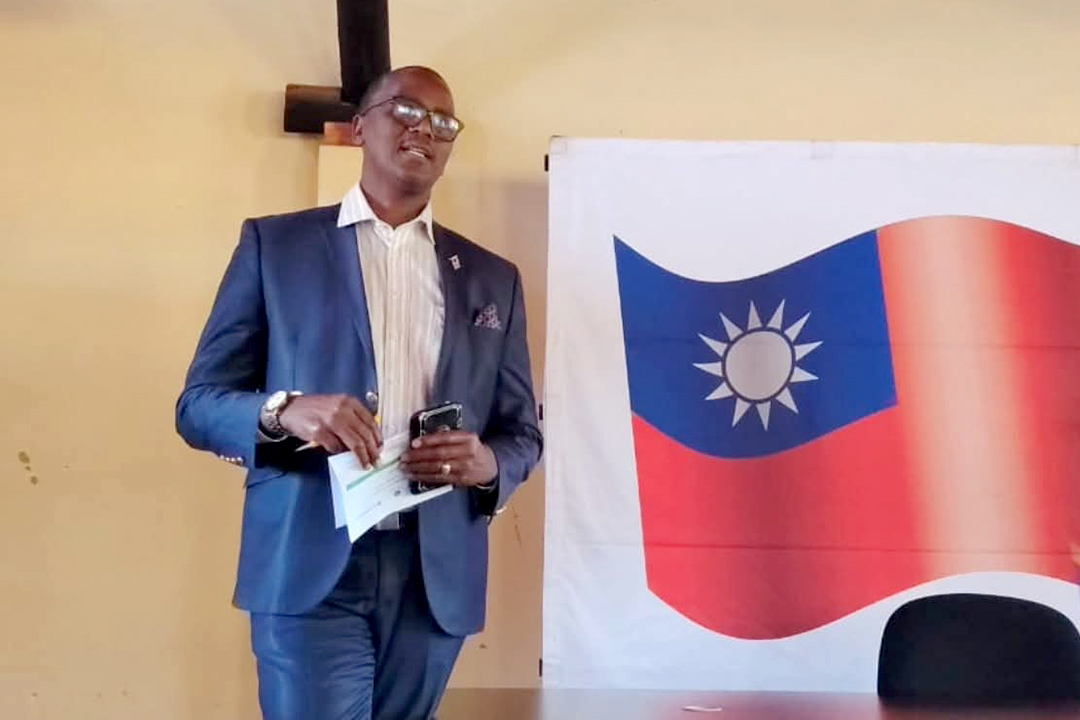
The training was conducted under the Taiwan Technical Assistance for Vegetable Industry Initiative (TAVII) in partnership with the Embassy of the Republic of China (Taiwan) and the World Vegetable Center.
DPMO officers were equipped with both theoretical knowledge and practical skills that can now be transferred to communities, particularly households seeking sustainable ways of producing food and improving their livelihoods.

At the heart of the programme was a simple but important question: how can crops already suited to local conditions be used to help families produce more food and become better prepared for changing climatic conditions?
Participants explored the important role indigenous crops can play in food security, climate resilience and community empowerment.
But the programme did not end in the classroom.
Staff were taken through practical exercises in seed processing, water management and sustainable planting techniques suited to Eswatini’s environment.
These are skills that could make a tangible difference at household and community level.
For a family depending on a backyard garden or small piece of land for food, knowing which crops perform better under local conditions, how to preserve seed and how to manage limited water resources can strengthen household food production while reducing vulnerability during difficult seasons.
The programme also highlighted the value of indigenous crops, which can help communities preserve generations of agricultural knowledge while reducing dependence on imported crop varieties.
Greater use of locally adapted crops could further give households more options when dealing with unpredictable weather patterns and other challenges affecting agricultural production.
The initiative comes at a time when sustainable agriculture is increasingly becoming important not only as a means of producing food, but also as a tool for strengthening household incomes and community resilience.
With the newly acquired skills, DPMO officers are expected to be better positioned to support communities in adopting sustainable agricultural practices and making productive use of locally available resources.
The programme also demonstrates the value of development partnerships in building practical skills within Government.
Taiwan and the World Vegetable Center provided technical expertise around vegetable production and indigenous crops, strengthening the capacity of officers who work closely with communities.
The real impact of the training, however, will be measured beyond the certificates and classroom sessions.
The expectation is that the knowledge gained will eventually reach households, community gardens and other grassroots initiatives where better farming practices can translate into increased food production, stronger livelihoods and greater resilience.
As the trained officers return to their respective areas of work, they carry with them knowledge that has the potential to turn small gardens into more productive sources of food and income.
The completion of the TAVII programme therefore represents more than another training exercise. It provides an opportunity to transform technical knowledge into practical community development — one seed, one household and one community at a time.
(Courtesy Pic)