


- Economy holds firm despite sugar, mining pressures
- Minister sees stronger growth as industries recover
BY PHUMELELE GAMEDZE
MBABANE – Eswatini’s economy is showing remarkable resilience, with growth projected at about 5% in 2026 despite a difficult operating environment for some of the country’s major industries, while a new E4.06 billion development financing framework could provide fresh momentum for infrastructure and economic expansion.
Minister for Finance Neal Rijkenberg says the economy has continued growing despite a combination of falling international sugar prices, currency pressures, major industry recapitalisation costs and interruptions in mining and smelting operations.
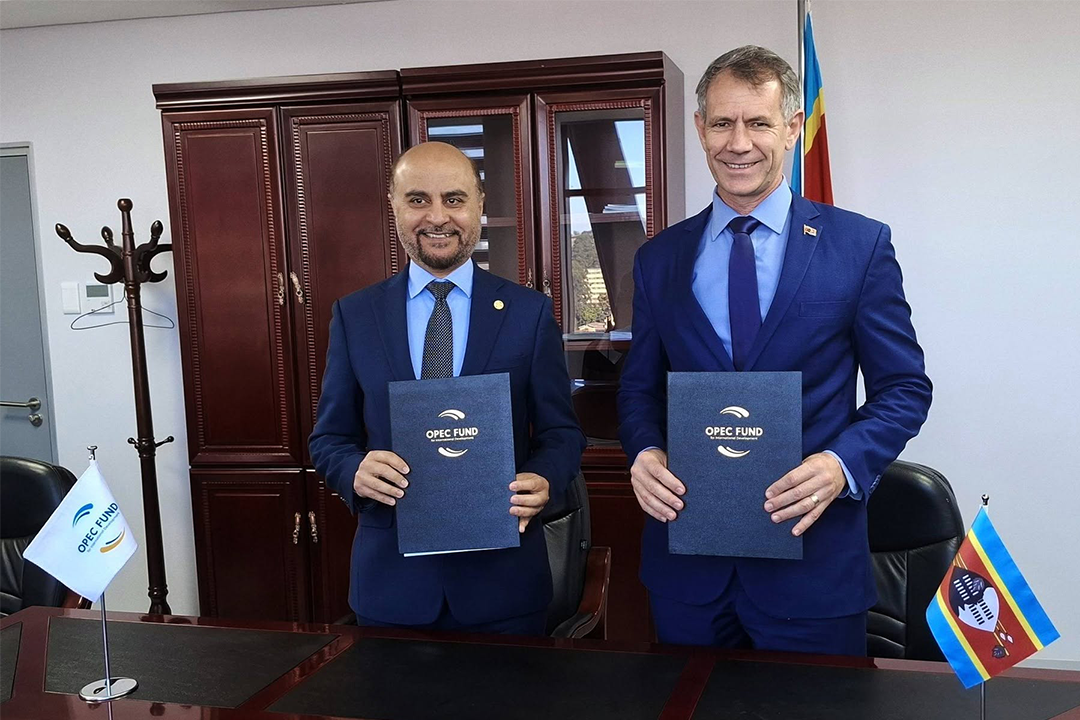
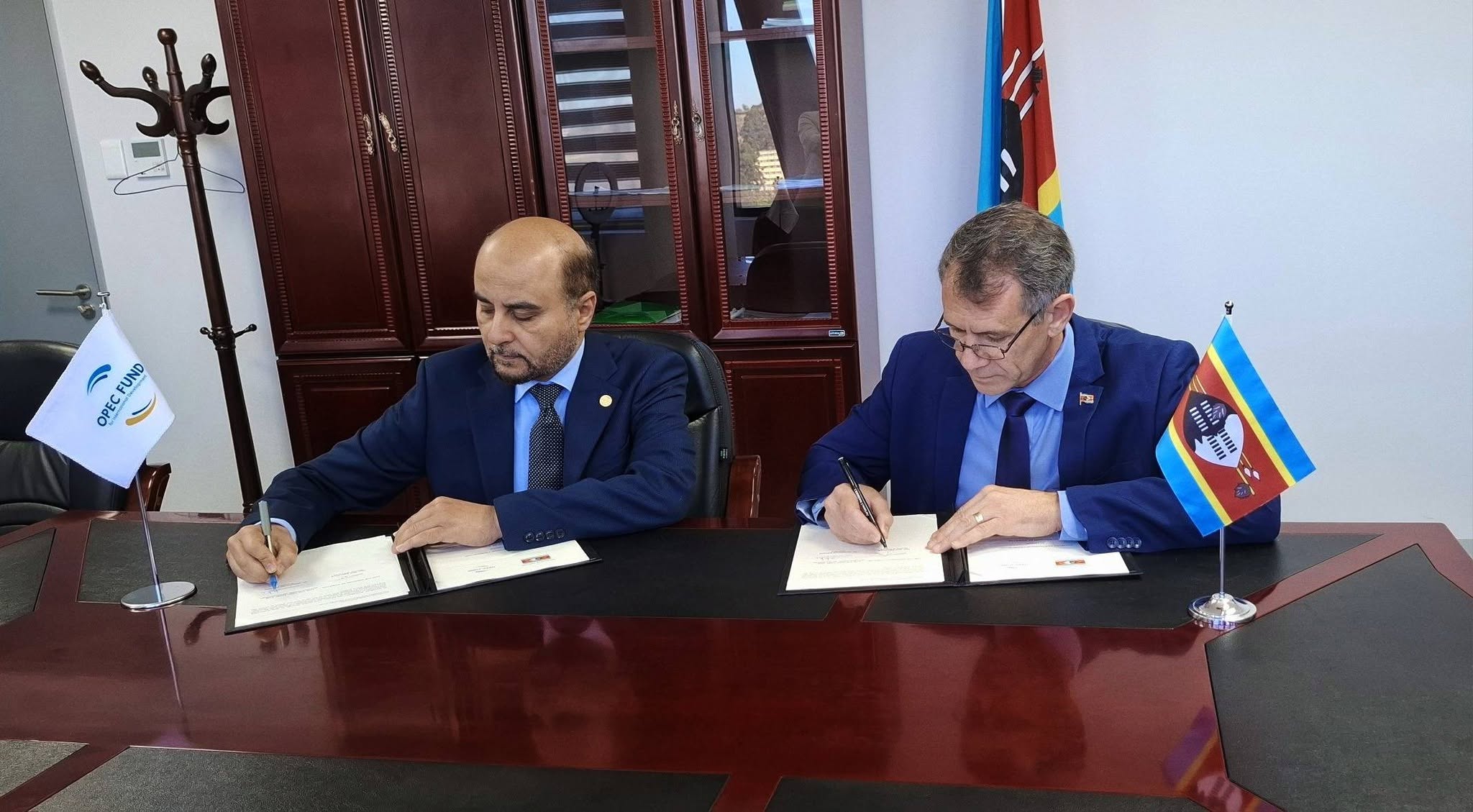
The positive growth outlook comes alongside an approximately E4.06 billion three-year financing framework with the OPEC Fund for International Development, potentially giving Eswatini greater access to affordable funding for major development projects.
For an economy facing external shocks in several traditional sectors, Rijkenberg said the projected 5% growth demonstrated that Eswatini was performing better than might have been expected.

One of the industries feeling the strain is sugar, a major contributor to Eswatini’s economy and export earnings.
According to the Minister, global sugar prices at one stage declined by about 35% compared with the previous year in United States dollar terms.
The strengthening of the local currency against currencies in which sugar exports are traded has created another challenge, reducing the value of foreign earnings when converted into Emalangeni.
At the same time, however, the sugar industry is investing heavily in its future.
Producers are increasingly moving beyond dependence on raw sugar by investing in products such as ethanol and other by-products. While this transition requires significant capital and places short-term pressure on cash flows, Rijkenberg believes it could ultimately leave the industry more diversified and profitable.
The mining sector has also experienced its share of difficulties.
Some ferrochrome and silicon smelting operations had remained inactive for about a year and a half, weighing on mining-sector performance. However, lower energy prices available to smelters in neighbouring South Africa have helped support the restarting of operations.
Agriculture has similarly faced logistical pressures, with previously high fuel prices making it expensive to transport some produce from plantations. Recent reductions in fuel costs have, however, brought a measure of relief.
Despite this combination of challenges, the Finance Minister said Eswatini had managed to remain on a growth trajectory.
“Amazingly, through all this — the sugar price drop, currency strength, recapitalisation costs, the smelter shutdown, and fuel prices — our economy is still in growth,” Rijkenberg said.
He said the estimated 5% economic growth for 2026 showed that the economy was absorbing these shocks better than initially anticipated.
The development financing outlook could provide another major boost.
Eswatini has entered into a three-year framework with the OPEC Fund for International Development worth approximately E4.06 billion at current exchange rates, significantly strengthening the pool of financing potentially available for development programmes.
The country’s relationship with the OPEC Fund dates back to 2007, with Rijkenberg saying cooperation has grown from relatively smaller loans to increasingly substantial financing arrangements.
An important advantage, according to the Minister, is that OPEC Fund financing comes at relatively competitive borrowing costs comparable to those offered by institutions such as the African Development Bank and World Bank.
The framework is not limited to loans.
It could also open opportunities for technical assistance and grant funding, particularly for feasibility studies and the preparation of projects before major financing is committed.
Among developments being considered for support is the Komati Downstream Phase 2 project, which Rijkenberg said would require substantial investment.
This means the framework could help Government move major projects from planning into implementation while reducing some of the challenges associated with raising development capital.
The combination of a growing economy and expanded access to development financing therefore gives Eswatini an opportunity to build on its current momentum.
Rijkenberg believes even stronger economic growth could be possible once pressure on sugar, mining and other major industries eases and production returns to stronger levels.
For Eswatini, the numbers point to an economy that has not only remained standing amid major sectoral pressures, but one that could gain further ground as industries recover and billions of Emalangeni in development financing become available.