By Phesheya Ian Kunene
MBABANE – Suppliers were told in no uncertain terms, protect the community, the environment, and your workers, or risk being kicked off the project.
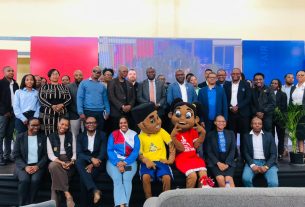
This was the strong message delivered by Dumsani Hlanze from the Ministry of Education and Training during his presentation at the Supplier Awareness Workshop held at the Hilton Garden Inn in Mbabane yesterday.

The workshop, part of the ongoing Project P173151, is backed by a E480 million World Bank loan aimed at strengthening early childhood development and basic education in Eswatini. Already, 22 rural schools are benefitting from the pilot phase.
But the cash injection comes with serious responsibilities. Hlanze made it crystal clear that suppliers who win tenders under the project must comply with the World Bank’s strict Environmental and Social (E&S) Safeguards, or face termination, penalties, and even blacklisting from future projects.

“You’re not just delivering textbooks or desks. You’re delivering development with dignity,” he told a packed room of businesspeople, contractors, and consultants.
Hlanze walked participants through the World Bank’s 10 Environmental and Social Standards (ESSs), which suppliers are now contractually bound to uphold. These cover everything from fair labor practices, safe working conditions, and community health, to biodiversity, land use, and protection of cultural heritage.

He stressed that non-compliance is not just a slap on the wrist. Offenders risk financial penalties, cancelled contracts, reputational damage, and in some cases, legal action. “If you exploit workers, cut corners on safety, or ignore environmental risks, you’re out,” he warned.
The presentation underscored the Ministry’s zero tolerance on Sexual Exploitation and Abuse (SEA) and Sexual Harassment (SH). Hlanze said all suppliers are required to enforce codes of conduct, provide mandatory training, and set up confidential reporting mechanisms.
“This project brings you close to schools, children, and vulnerable communities. We cannot afford breaches. One incident is one too many,” he said.
He also called on suppliers to take gender-based violence (GBV) seriously, describing it as a “hidden pandemic” that threatens not only individuals but entire development outcomes. Suppliers were urged to conduct GBV risk assessments, promote safe working environments, and collaborate with communities to prevent abuse.

As part of the E&S obligations, companies must also support a grievance redress mechanism (GRM) for affected parties. From factory workers and truck drivers to parents and principals, everyone must have a way to raise concerns and receive responses.
Hlanze said GRMs were not just a formality but a lifeline for accountability. “When people know their voices matter, trust grows. And trust is essential for development to succeed,” he added.
He didn’t leave it all on the negative. Hlanze painted a picture of what responsible suppliers stand to gain, long-term credibility, competitive advantage, and a chance to be part of real, sustainable change.
“The World Bank isn’t just throwing money. They’re setting a new gold standard for how development should be done. You’re either ready to rise to that standard—or step aside,” he concluded.
Yesterday’s workshop built on themes raised during Monday’s session, where Procurement Specialist Lomakhosi Wendy Magagula urged SMEs to embrace compliance and transparency in bidding. Suppliers also heard from logistics and project specialists who emphasized planning, documentation, and delivery precision.

With over 340 schools set to benefit nationwide, and thousands of children, especially OVCs, inrelying on the success of this project, the Ministry’s message was loud and clear: sustainable procurement is not a box-ticking exercise, it’s a promise to do no harm while doing good.