


BY SIBUSISEKILE NDLANGAMANDLA
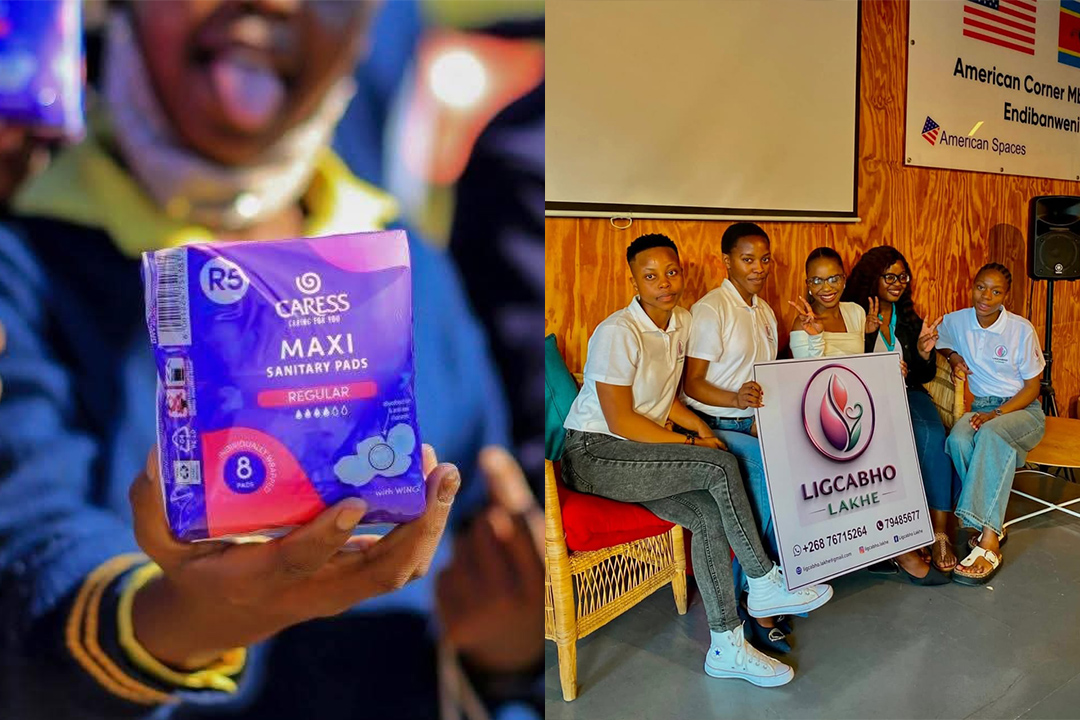
MANZINI– For Ligcabho Lakhe Founder and Director Mbali Dlamini, empowering women begins with ensuring that they have the knowledge, resources and confidence to participate fully in society.
Dlamini founded Ligcabho Lakhe out of frustration with the way menstruation is often treated as something that should be hidden instead of being recognised as a normal biological process that deserves open and informed conversations. She said her interest in menstrual health became more personal as she learnt about period poverty and began recognising its impact on women and girls, particularly on their dignity, confidence, education and participation in everyday life.
From her work and conversations with young women, Dlamini said she realised that menstrual health challenges extend beyond the availability of sanitary products. She identified gaps in knowledge, open conversations and supportive spaces where girls and young women can ask questions without shame or judgement. “Many girls grow up learning about menstruation through whispers, myths and misinformation” she said.
Establishing Ligcabho Lakhe has come with the challenge of addressing the stigma surrounding menstruation and changing the perception that it is a “small” issue or simply a women’s issue. She described menstrual health as a social, economic and human rights issue, noting that young women can face significant barriers when they lack access to menstrual products, accurate information and safe spaces.

The experience of building the organisation as a young founder has also presented challenges, including limited resources, establishing credibility and balancing the initiative with her studies and other responsibilities. However, she said these experiences have reshaped her understanding of women empowerment. “I have realised that empowerment is not just about giving women opportunities. It is also about creating the conditions that allow women to use those opportunities confidently and with dignity” she said.
Through Ligcabho Lakhe, Dlamini seeks to address menstrual health holistically by combining education, open conversations and sustainable menstrual solutions. The organisation hosts educational forums, including its Period Forum, where young people can openly discuss menstruation, menstrual hygiene, the science behind menstruation and misconceptions surrounding periods.
The organisation also advocates for sustainable menstrual products, saying reusable options can provide more affordable solutions over time while reducing menstrual waste. “We want conversations about menstruation to move from ‘don’t talk about that’ to ‘let’s understand it” she said. Dlamini believes that giving a girl accurate information, access to sustainable solutions and a safe space to ask questions can have an impact beyond menstrual health.
As Women’s Month provides an opportunity to recognise the contribution and potential of women, Dlamini encouraged young women not to wait for perfect conditions before pursuing their ideas. “The woman who moves is bound to eventually run into luck.” She said. She urged young women to start with what they have, where they are, and allow the journey to teach them what they need to know. Young women should not underestimate their ideas while waiting for funding, a major platform, permission or the confidence to consider themselves experts. “If you see a problem in your community, don’t convince yourself that someone else is better positioned to solve it,” she said.
#WomensMonth #WomenEmpowerment #MenstrualHealth #LigcabhoLakhe #YouthEmpowerment #Eswatini Positive News
(Courtesy Pic)