


BY SIFISO NHLABATSI
MBABANE – Eswatini has emerged among Southern African countries recording notable gains in gender equality, with the latest 2026 Southern Africa Gender Barometer highlighting the country’s progress in health and legal rights while placing Eswatini’s civil society at the heart of efforts to shape the region’s gender agenda beyond 2030.
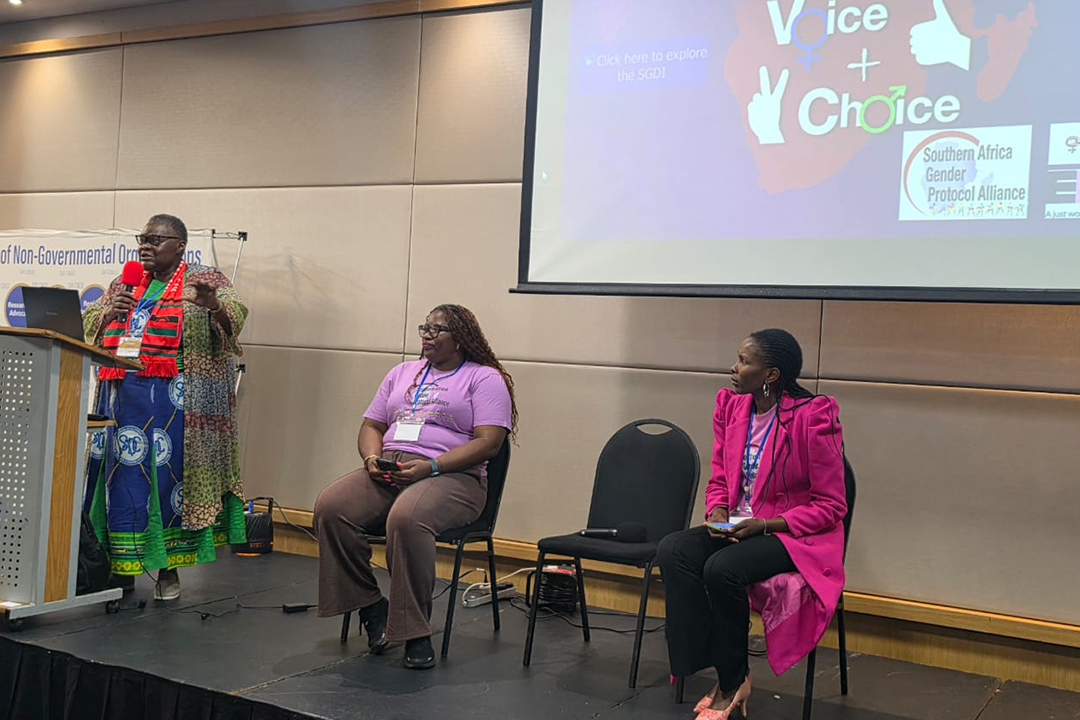
The country is represented in the regional gender movement by Coordinating Assembly of Non-Governmental Organisations (CANGO) Executive Director Thembinkosi Dlamini, while Alice Mavuso serves as Co-Chair of the Southern Africa Gender Protocol Alliance alongside Malawi’s Emma Kalia.
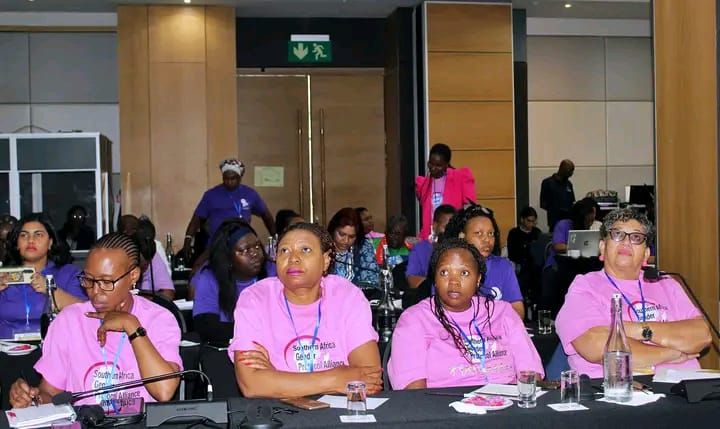
The latest findings were released in Durban during a civil society forum convened alongside the recent SADC Heads of State Summit.
One of Eswatini’s most significant achievements highlighted in the report is its progress in the fight against HIV. Eswatini is among six SADC countries listed among only 11 countries globally to have reached the UNAIDS 95-95-95 targets, alongside Botswana, Lesotho, Namibia, Zambia and Zimbabwe.

The report also highlights a major legal development for sexual and gender minorities, noting that Eswatini’s Supreme Court ordered the registration of Eswatini Sexual and Gender Minorities in 2026.
These achievements come as the region records an overall gender equality score of 58 per cent on the expanded Southern Africa Gender and Development Index, with scores ranging from 74 per cent in South Africa to 48 per cent in Angola. Eleven of the 16 SADC member states scored 60 per cent or below.
The Index tracks 70 gender targets, including 28 contained in the SADC Protocol on Gender and Development, and assesses progress in areas including constitutional and legal rights, governance, gender-based violence, health, HIV, sexual diversity, economic and climate justice, women, peace and security, and gender and media.
The report, however, warns that progress across the region remains fragile due to funding cuts and growing anti-rights mobilisation.
For Eswatini, the gains highlighted in health and legal rights provide an important platform as the Southern Africa Gender Protocol Alliance begins work on shaping what the SADC Gender Protocol should look like beyond 2030.
With Eswatini represented through CANGO and Mavuso occupying a leadership position as Co-Chair of the Alliance, the country has a direct voice in the regional discussions expected to influence the next phase of Southern Africa’s gender equality commitments.
The 2026 Barometer is the 16th edition of the regional publication, with its full chapters covering 11 thematic areas set to be released over the next year.
#Eswatini #GenderEquality #SADC #CANGO #GenderJustice #HIV #SADCGenderProtocol #SouthernAfrica
(Courtesy Pics)