



BY THEMBA ZWANE
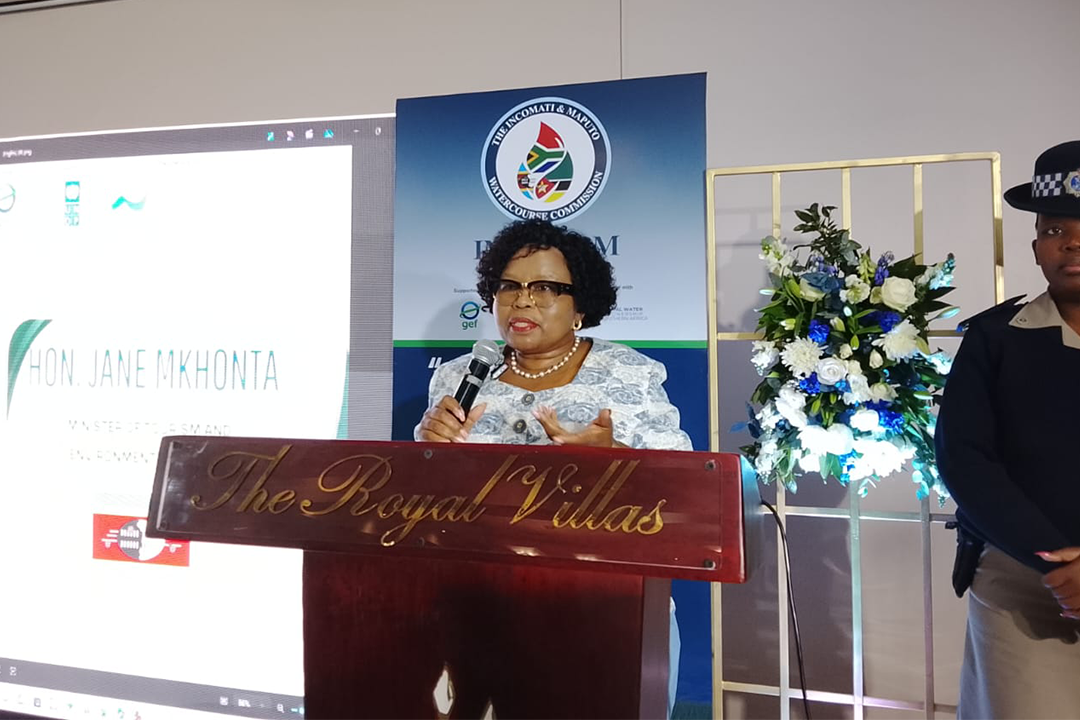
EZULWINI – Minister of Tourism and Environmental Affairs, Jane Mkhonta, says the Incomati & Maputo GEF 8 project positions Eswatini as leaders in integrated transboundary environmental management.
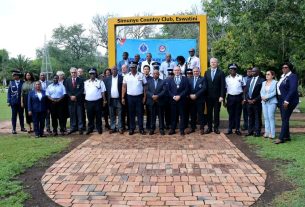
This was during the official launch of the over E3.76 billion worth project at the Royal Villas where delegates and commissioners from both South Africa and Mozambique were in attendance.
Mkhonta said the project was a powerful example of regional cooperation in action.
She said through INMACOM, the Kingdom of Eswatini stands alongside Mozambique and South Africa in advancing a shared vision, one that balances economic development with environmental sustainability.

The minister mentioned that their cooperation extended beyond water governance to include biodiversity conservation through the Lubombo TFCA, coastal and marine protection and climate resilience across the entire basin.
“It is through such partnerships that we can effectively address the complex, transboundary challenges of our time. Importantly, this initiative contributes to global commitments, including the Kunming-Montreal Global Biodiversity Framework and the Sustainable Development Goals, particularly those related to water, climate, biodiversity, and livelihoods. In doing so, it positions Eswatini and the region as leaders in integrated transboundary environmental management,” she said.
Mkhonta noted that the project represented a profound opportunity to transform how they managed shared natural resources.
As the Kingdom of Eswatini and as GEF Focal Point, the minister reaffirmed their commitment to ensuring that this initiative delivers tangible benefits for communities, long-term sustainability for their ecosystems and meaningful contributions to global environmental goals.
“Let us move forward together, united in purpose, to build a future where water security is guaranteed, biodiversity is protected and economic prosperity is achieved through sustainable pathways.”
She said they wanted a future where their rivers, their ecosystems, and their people thrive in harmony.
The Mbabane West Member of Parliament (MP) added that the gathering was far more than a ceremonial milestone. She said it represented a shared commitment by Eswatini, South Africa and Mozambique, to safeguard one of the region’s most vital natural systems, the Incomati and Maputo River Basins and to secure a sustainable and resilient future for the people.
“They are lifelines that sustain livelihoods, support economies, and underpin ecosystems across borders. Today, we affirm our collective resolve to protect them, ensuring that they continue to nourish our people, sustain our economies, and inspire future generations,” she said.
As the Kingdom of Eswatini’s GEF Focal Point Ministry, Mkhonta said she wished to underscore that the initiative embodied the very essence of the Global Environment Facility’s mandate — to deliver global environmental benefits through transformative regional action.
She said the project went beyond water management. It was a strategic investment in:
• Biodiversity conservation
• Ecosystem resilience
• Climate adaptation
• and sustainable development across a shared transboundary landscape
“With a GEF investment of USD 7.1 million leveraging over USD 64 million in co-financing from member states and partners, this partnership demonstrates the catalytic power of the GEF, bringing together governments, institutions, and communities to deliver lasting impact at scale.”
She said the Incomati and Maputo basins are lifelines for millions of people, yet they face mounting pressures from climate change, altered hydrological flows, unsustainable land and water use, pollution, and ecosystem degradation.
These challenges threaten not only the environment but also economies, communities, and a shared future. She said the GEF 8 project responds decisively to these realities by strengthening INMACOM’s institutional capacity, enhancing scientific knowledge, and improving coordination across river basin, conservation, and coastal management institutions.
“One of the most critical strengths of this project is its recognition of the deep interconnections between water, biodiversity, and human wellbeing. At the heart of this initiative lies the Lubombo Transfrontier Conservation Area, a globally significant ecological landscape that links protected areas, wildlife corridors, and coastal ecosystems across Eswatini, Mozambique, and South Africa,” said the minister.
She said this was not simply a conservation area; it was a living system that supports iconic wildlife and migratory corridors, globally important biodiversity and a thriving tourism economy that sustains communities.
Through this project, she said, they were strengthening the connection between river basin management and biodiversity conservation, ensuring that ecosystems—from upland catchments to Maputo Bay are protected, restored, and sustainably managed.
This initiative, Mkhonta said, also adopts a forward-looking and integrated source-to-sea approach.
This means recognising that activities in their forests and farmlands directly affect their rivers and wetlands which in turn shape their estuaries and marine ecosystems.
She said what happened upstream does not stay upstream. By embracing this approach, they are ensuring that development decisions protect freshwater ecosystems, reduce pollution and land degradation and safeguard coastal and marine biodiversity.
In doing so, they are preserving essential ecosystem services such as clean water, fisheries, and climate regulation that millions of people depend on.
Through INMACOM, she said, the Kingdom of Eswatini joined hands with the Republic of Mozambique and South Africa to balance resource demands with environmental protection, building resilience against floods, droughts, and climate shocks. This cooperation ensures that their shared basins remain sources of life, prosperity, and opportunity.
#Eswatini #Mozambique #SouthAfrica #Government #Tourism #EmvironmentalAffairs