


BY MBONO MDLULI
MBABANE – The Kingdom of Eswatini is stepping up efforts to achieve sustainable energy security through strategic partnerships, following a high-level engagement with the Baker Group of Companies, a U.S.-based organization renowned for its global expertise in energy solutions.
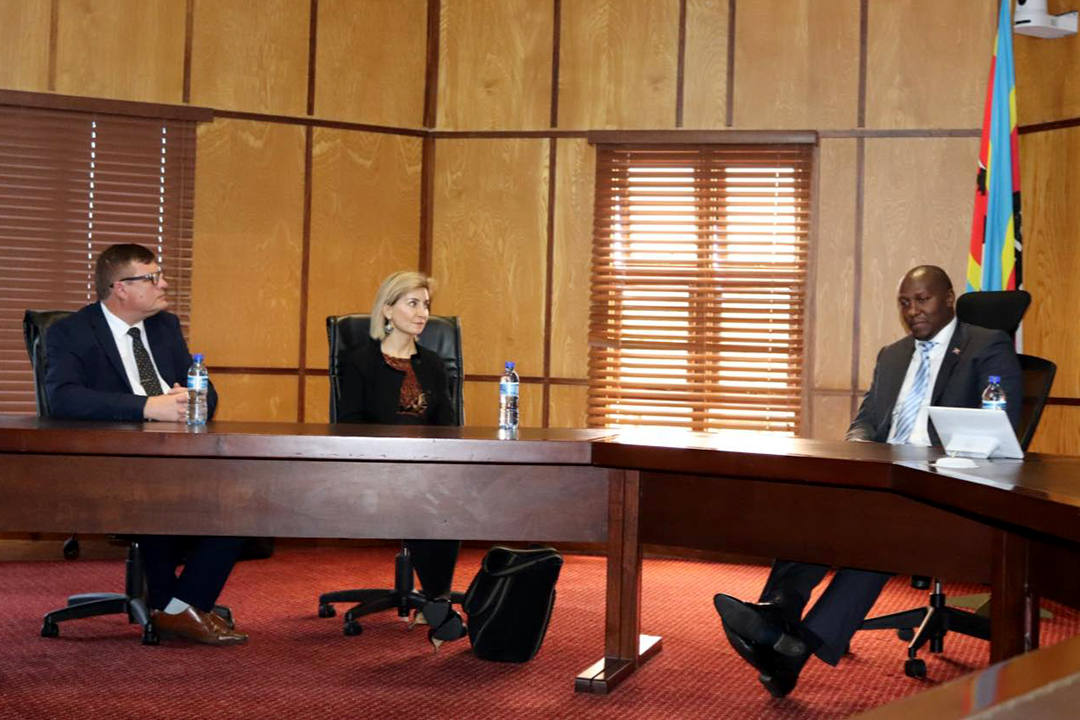
On July 21, 2025, three Cabinet Ministers—Minister of Natural Resources and Energy, Minister of Commerce, Industry and Trade, and Minister of Finance—held a joint meeting with representatives of the Baker Group to explore potential areas of collaboration in the development of local power generation.
Also present at the crucial discussions were senior officials from the Eswatini Electricity Company (EEC) and the Eswatini Energy Regulatory Authority (ESERA).
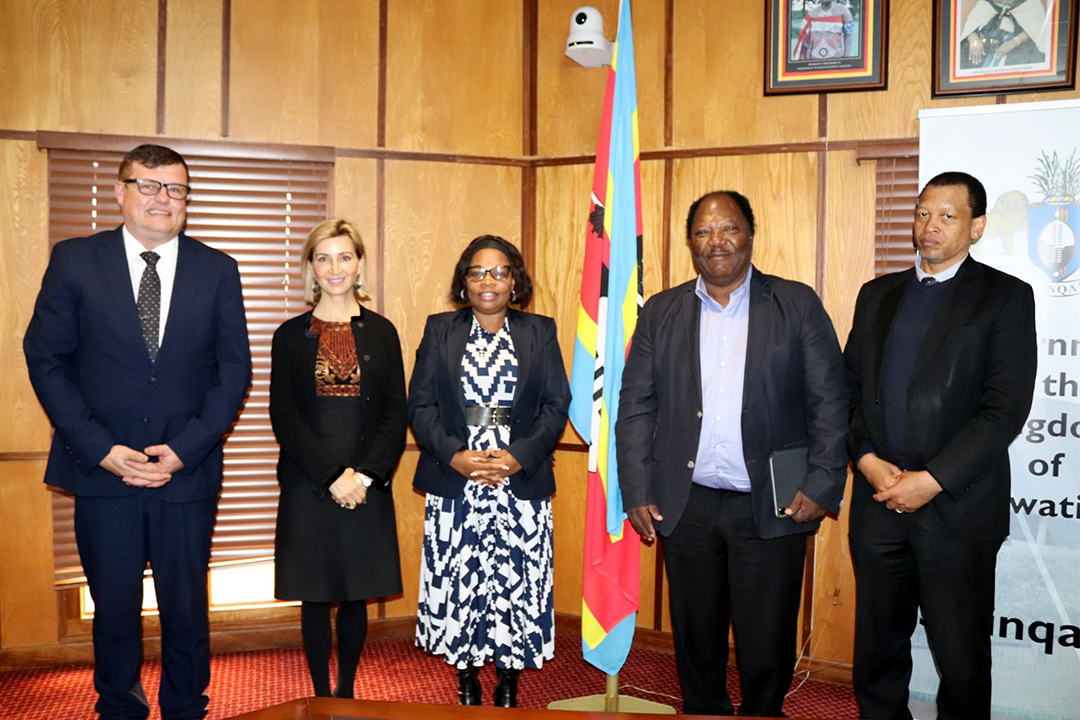
Speaking during the meeting, HRH Prince Lonkhokhela, representing the Ministry of Natural Resources and Energy, emphasized the urgent need for Eswatini to diversify and secure its energy mix. He said Eswatini must explore innovative and cost-effective local energy generation options to reduce dependency on imports and ensure long-term energy resilience.

“We are committed to developing sustainable, efficient, and scalable solutions that align with Eswatini’s socio-economic growth and environmental goals,” said the Prince.
Following the productive discussions, the delegation paid a courtesy visit to the Office of the Prime Minister, where they met His Excellency, the Right Honourable Prime Minister Russell Mmiso Dlamini. The visit was symbolic of the growing relationship between Eswatini and the Baker Group, and it underscored government’s commitment to partnering with international players to drive national development.
The Baker Group of Companies expressed interest in investing in Eswatini’s renewable energy landscape and enhancing the country’s infrastructure for power generation, storage, and distribution. With global experience in sustainable energy technologies, the Group could play a critical role in helping the Kingdom meet its future energy needs.
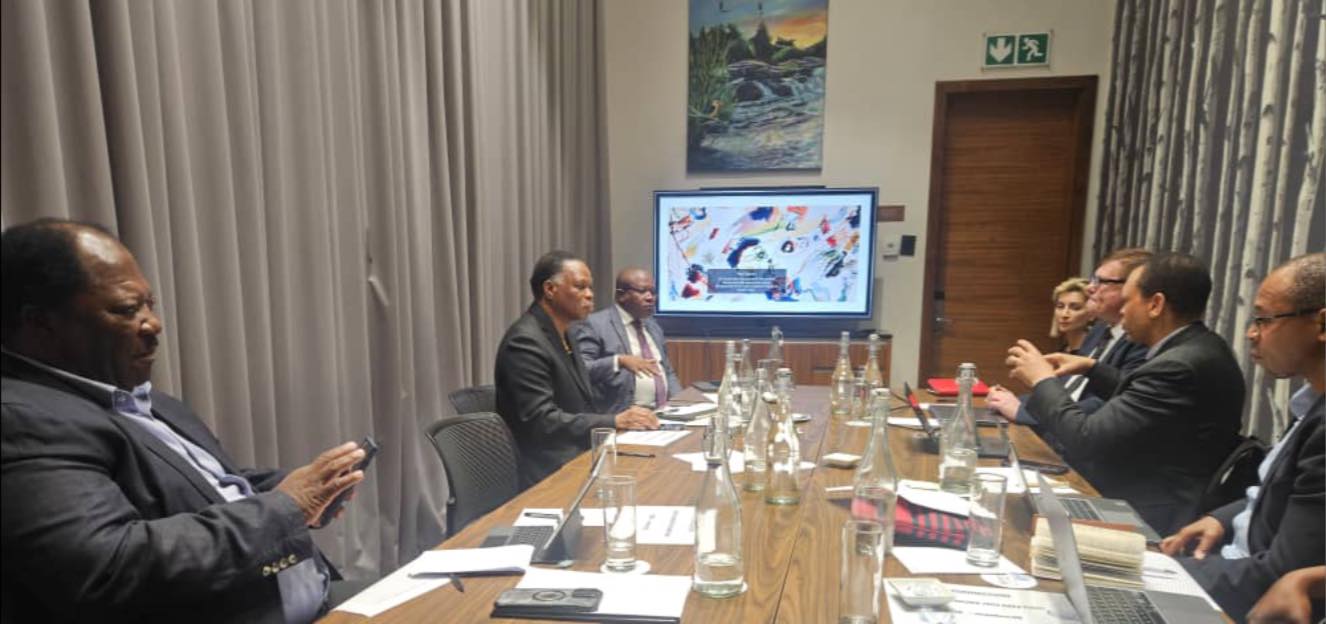
This collaboration comes at a time when Eswatini is actively exploring alternatives to imported power, with emphasis on solar, hydro, and biomass energy, in line with the National Energy Policy and Vision 2022.
The meeting sets the stage for potential projects that could help power Eswatini’s homes, businesses, and industries in a greener, more self-reliant manner advancing the dual goals of energy security and economic transformation.
(Courtesy Pics)