


BY THEMBA ZWANE
MBABANE– The Kingdom of Eswatini has joined other African nations in supporting the fight against the outbreak of Ebola in the Democratic Republic of Congo (DRC).
Though the country has not yet pledged financial support such as countries like South Africa, the APA News Agence has reported that Eswatini is providing non-pecuniary support.
Non-pecuniary support is assistance that is valuable but not related to money.
“While Eswatini has not pledged a direct bilateral financial package, the nation is participating in the broader African Union and Africa CDC coordinated response to contain the spread of the virus across the continent,” APA News Agence reported.

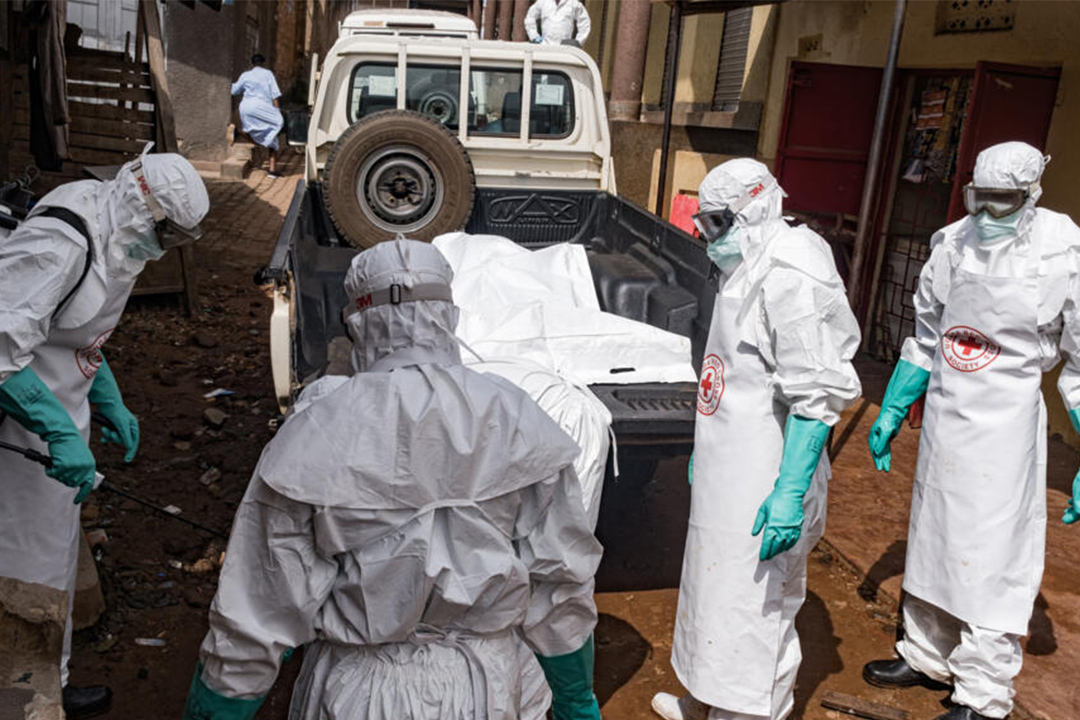
Meanwhile, some African nations are directly funding containment operations and emergency response teams deployed in the Democratic Republic of the Congo to combat the Bundibugyo Ebola outbreak.
Neighbouring South Africa has reportedly pledged an initial contribution of E81.9 million (US$5 million) to the Africa CDC to support emergency operations, disease surveillance, and rapid response deployment across the affected countries.
Several other countries, including Ghana, Sudan, Liberia, Sierra Leone, and The Gambia, have committed millions to the African Development Fund to bolster health resilience across the continent.
A country or entry can support the fight against diseases without spending money by volunteering time, donating blood, sharing reliable health information, and advocating for better public health policies.
These non-financial contributions are vital for patient care, research, and disease prevention.
Here are the most effective ways to make a tangible impact without involving money:
1. Direct Care & Community Support
• Donate Blood: Hospitals constantly need blood and plasma to treat trauma victims, cancer patients, and individuals with chronic blood diseases.
• Become a Caregiver or Buddy: Local hospices, hospitals, and disease-specific charities (e.g., for Alzheimer’s or cancer) often need volunteers to provide companionship, assist with daily tasks, or offer respite for family caregivers.
• Patient Navigation: Help individuals in your community navigate complex healthcare systems or schedule appointments, especially the elderly or those who face language barriers.
2. Education & Awareness
• Combat Misinformation: Share evidence-based health information from trusted authorities like the World Health Organisation or the Centers for Disease Control and Prevention on your social networks to stop the spread of unverified health claims.
• Participate in Campaigns: Support global awareness campaigns like World AIDS Day or World Tuberculosis Day by organising local talks or simply amplifying official awareness materials online.
3. Advocacy & Policy Support
• Contact Representatives: Advocate for policies that improve healthcare access, fund medical research, and support preventative public health measures in your region.
• Support Public Health Mandates: Adhere to public health guidelines (like vaccination schedules and quarantine protocols) to reduce community transmission of infectious diseases.
4. Digital & Research Contribution
• Participate in Clinical Trials: Healthy volunteers and patients are continually needed for clinical studies. Register via platforms like ClinicalTrials.gov to help researchers develop new vaccines and treatments.
• Donate Computing Power: Join distributed computing projects like Folding@home, which allows your computer to run complex simulations of disease proteins to help researchers discover new cures.
#EbolaOutbreak #Health #Eswatini #Africa #Support #CDC #AU
(Courtesy Pic)