



BY GCWALISILE MHLABANE
MANZINI- Eswatini is placing agriculture at the centre of its economic transformation with billions of Emalangeni being invested in food production irrigation livestock development and youth empowerment as Government seeks to turn the sector into a major engine of economic growth and job creation.
The agriculture sector has been allocated between E2.02 billion and E2.24 billion in the 2026 national budget representing about 6.2 per cent of the national budget.
The investment is being channelled towards food sovereignty water security commercial farming agricultural financing livestock development and critical infrastructure with the broader goal of increasing productivity while creating sustainable economic opportunities for EmaSwati.
A major pillar of the strategy is the E432 million Eswatini Youth Empowerment Opportunities Project (EYEOP) under the Ministry of Economic Planning and Development.
The project is targeting 30000 young people aged between 18 and 35 with about 20000 expected to benefit from agriculture and agriculture-related opportunities.
EYEOP is set to be rolled out at community level bringing opportunities closer to young people particularly those in rural communities where agriculture remains a major source of livelihoods.
The project is expected to open pathways into farming livestock production agro-processing agricultural services and other businesses across the agricultural value chain.
It also targets 50 per cent women and 5 per cent youth with disabilities strengthening Government’s drive for inclusive participation in the economy.
The youth empowerment drive is being complemented by direct support to farmers through the Farm Input Support Programme (FISP) which has received E65 million for the 2026/27 cropping season.
The programme subsidises seeds fertiliser and tractor hire costs helping farmers reduce production expenses and improve their capacity to produce.
In a move towards modernising agricultural services digital applications have also been introduced through a new National Maize Corporation (NMC) mobile application making it easier for farmers to access support.
FINANCE TO GROW AGRIBUSINESSES
Access to finance remains another important part of Government’s agricultural development strategy.
Through the Eswatini Agriculture Development Fund (EADF) financing ranging from E5000 to E3 million is available to support commercial farmers emerging agricultural enterprises and youth-led agribusinesses.
The Agro-Acres maize and bean project in Sicunusa is among the beneficiaries having received E2.3 million in financing to strengthen production.
Such investments are expected to encourage more EmaSwati to view agriculture as a viable business while supporting the growth of commercially driven enterprises.
WATER DRIVES AGRICULTURAL GROWTH
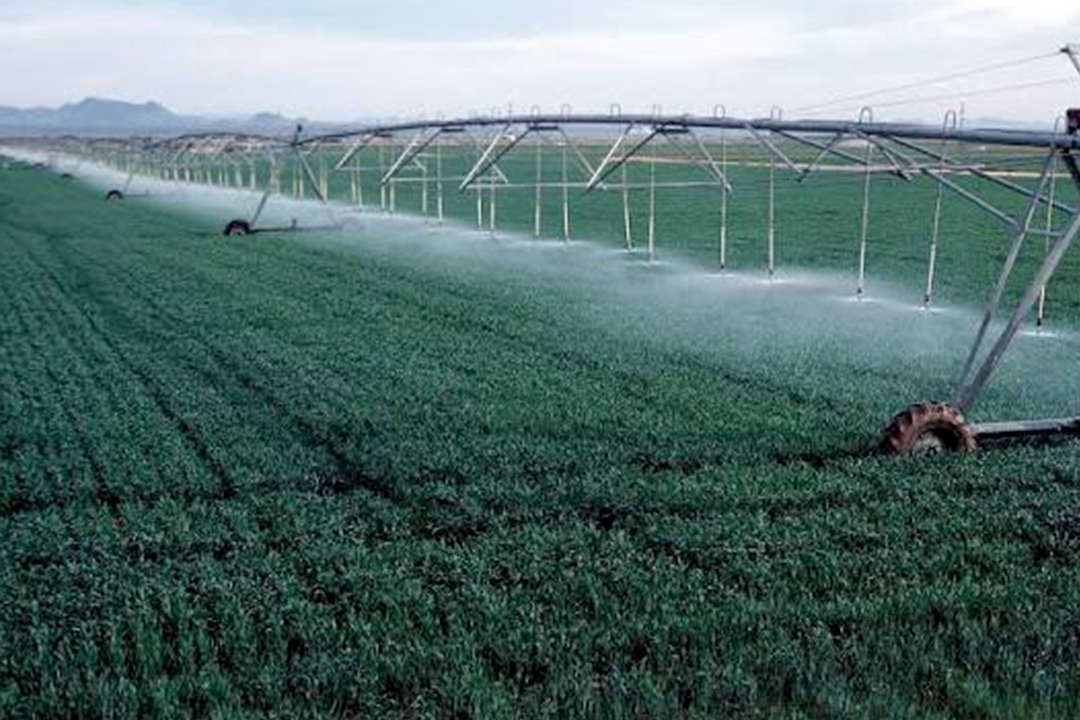
Government is also directing significant resources towards irrigation and water infrastructure recognising that reliable water supply is essential to increasing agricultural production.
Approximately 73 per cent of the capital development component of the agricultural budget has been directed towards major water and irrigation infrastructure with the Mpakeni Dam among the key projects.
The continued investment in irrigation is expected to reduce farmers’ dependence on rainfall support year-round production and create a stronger foundation for commercial agriculture.
The Lower Usuthu Smallholder Irrigation Project (LUSIP II) is also progressing with nearly E3 million in local funding allocated towards finalising downstream development and handover phases.
FMD CONTROL REMAINS A PRIORITY
The Ministry of Agriculture is simultaneously strengthening the livestock sector with foot-and-mouth disease (FMD) control taking first priority in protecting the national herd and safeguarding Eswatini’s premium beef export markets.
As part of this effort the Ministry has been creating and rehabilitating dip tanks in communities across the country to strengthen livestock disease control and improve animal health.
Dip tanks play an important role in controlling livestock diseases and external parasites while helping farmers maintain healthier and more productive herds.
One of the latest developments is the newly completed E400000 Makhewu Dip Tank which was officially opened at Lugongolweni Inkhundla in August 2026.
The facility is expected to strengthen livestock health management in the area while supporting farmers to embrace more organised and commercial livestock production.
The continued creation and improvement of dip tanks across communities demonstrates Government’s commitment to taking livestock health services closer to farmers.
Eswatini has also lifted livestock import restrictions linked to FMD reopening regional livestock markets and creating new opportunities for farmers and businesses operating within the livestock value chain.
To further strengthen disease-control measures Government has allocated E13.13 million towards replacing critical FMD cordon fences protecting premium beef export zones.
The investment is aimed at strengthening disease prevention and protecting the livestock industry which remains an important contributor to rural livelihoods and the national economy.
AGRICULTURE AS AN ENGINE OF JOB CREATION
The scale of investment in agriculture reflects a broader shift in how the sector is being positioned within Eswatini’s economy.
Agriculture is no longer being viewed only as a source of food but increasingly as a platform for enterprise employment and economic participation.
The sector supports a wide range of activities beyond farming including transport machinery agricultural inputs processing packaging marketing and retail.
For the 20000 young people targeted for agriculture through EYEOP these opportunities could provide a pathway from unemployment into entrepreneurship and productive economic participation.
The community-level rollout could be particularly significant for rural areas by bringing opportunities closer to young people and enabling communities to participate directly in economic development.
With youth empowerment agricultural financing subsidised inputs irrigation development and livestock infrastructure being pursued together Government is seeking to build a more productive and commercially driven agricultural sector.
As Eswatini continues to tackle unemployment and diversify its economy agriculture is increasingly being positioned as one of the country’s strongest engines of growth.
The investment therefore carries a bigger message: agriculture is not only about producing food. It is about creating businesses generating jobs protecting livelihoods and building a stronger and more resilient Eswatini economy.
#Agriculture #EconomicGrowth #JobCreation #EYEOP #YouthEmpowerment #Agribusiness #FoodSecurity #FMDControl #Livestock #Eswatini
(Courtesy Pic)