



BY THEMBA ZWANE
EZULWINI– Government has indicated Eswatini’s commitment to strengthening national dialogue on the promotion and protection of human rights for everyone, as it prepares to submit its Fourth Cycle Universal Periodic Review (UPR) National Report to the United Nations Human Rights Council.
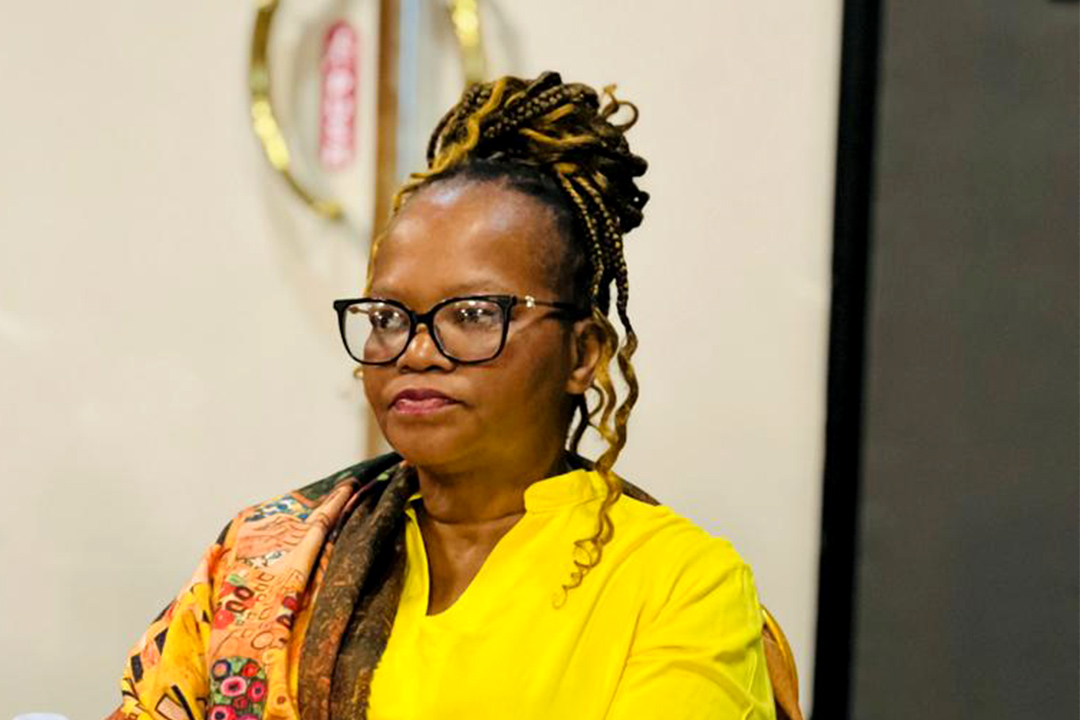
This was revealed by Principal Secretary in the Ministry of Justice and Constitutional Affairs, Dorcus Dlamini, during the Validation Meeting of Eswatini’s Draft Fourth Cycle Universal Periodic Review (UPR) Report held at Happy Valley Hotel on Thursday.
Addressing representatives from government ministries and departments, the Commission on Human Rights and Public Administration (CHRPA), development partners and civil society organisations, Dlamini described the validation meeting as a significant milestone in the country’s preparations for the Fourth Cycle UPR process.
She said the exercise demonstrates Eswatini’s commitment not only to fulfilling its international human rights obligations, but also to fostering an inclusive national dialogue on human rights issues affecting the country.

“Today’s meeting marks a significant milestone in the preparation for the Fourth Cycle UPR before the United Nations Human Rights Council. It reflects not only our commitment to fulfilling international human rights obligations but also our resolve to strengthen national dialogue on the promotion and protection of human rights for everyone in the Kingdom of Eswatini,” she said.
Dlamini noted that Eswatini has consistently participated in the Universal Periodic Review process because meaningful engagement with international human rights mechanisms contributes to improved governance, stronger institutions and enhanced service delivery.
She explained that recommendations received under the UPR mechanism continue to serve as an important guide for national reforms while helping government identify areas requiring additional efforts, partnerships and resources.
The Principal Secretary stressed that the validation exercise goes beyond being a procedural requirement, describing it as an essential quality assurance process aimed at ensuring that the national report is accurate, balanced, evidence-based and reflective of the country’s realities.
“This meeting provides stakeholders with an opportunity to verify the information presented, identify omissions, correct inaccuracies, and collectively build a report that represents the country’s achievements, ongoing initiatives, and remaining challenges,” she said.
Dlamini emphasised that a credible national report can only emerge through an inclusive and participatory process, which is why government has brought together key stakeholders from different sectors.
According to the Principal Secretary, government institutions, the Commission on Human Rights and Public Administration, development partners and civil society organisations all bring valuable expertise, experiences and perspectives that strengthen both the report and the country’s human rights agenda.
She acknowledged the indispensable role played by development partners, the National Human Rights Institution and civil society organisations in promoting and protecting human rights, particularly through their engagement with communities and vulnerable groups.
“Through their engagement with communities and vulnerable groups, they provide valuable insights into the realities experienced by citizens and help ensure that interventions are responsive and inclusive, complementing Government efforts,” she said.
Dlamini further highlighted that government would not have achieved the progress made in implementing previous UPR recommendations without collaboration from stakeholders.
She revealed that Eswatini has made significant progress in implementing accepted recommendations under previous review cycles, with some having been fully implemented. This progress, she said, reflects government’s commitment to translating international human rights commitments into tangible national action.
The achievements have been reflected in legislative and policy reforms, institutional strengthening and programmes aimed at improving the enjoyment of human rights by all citizens.
However, Dlamini acknowledged that implementation of some recommendations remains ongoing, noting that many require long-term reforms, adequate resources and continuous monitoring before their intended outcomes can be realised.
“The Government remains committed to the implementation of these outstanding recommendations and to building on the progress already achieved,” she said.
The Principal Secretary also raised concern over limited participation and insufficient information sharing, which she said continue to affect national reporting processes and undermine efforts to accurately reflect the country’s achievements.
She urged stakeholders to actively participate not only during the current validation exercise but also in future consultation processes, reminding them that human rights reporting is a shared national responsibility.
“I encourage all stakeholders to continue demonstrating their commitment by participating actively throughout this process and in future consultation exercises. Human rights reporting is a shared national responsibility, and its success depends on our collective commitment,” she said.
Dlamini called on participants to engage openly, constructively and critically during deliberations on the draft report, saying their technical expertise, comments and recommendations would strengthen the quality, accuracy and credibility of the final document.
She noted that Eswatini is working within a tight timeframe, as the Fourth Cycle National Report is scheduled for submission to the United Nations by the end of July 2026.
In concluding her remarks, Dlamini expressed appreciation to all stakeholders and partners who have contributed to the preparation of the report and wished participants fruitful deliberations.
The Universal Periodic Review is a United Nations mechanism through which member states undergo periodic assessments of their human rights records and implementation of recommendations aimed at improving the protection and promotion of human rights. Eswatini’s Fourth Cycle report will outline the country’s progress, achievements, challenges and commitments in advancing human rights for all citizens.
#UN #Eswatini #HumanRights #Dialogue #PeriodicReview #FourthCycleReport
(Courtesy Pic)