



BY GCWALISILE MHLABANE
MANZINI – Eswatini is seeking better ways to manage rapidly growing settlements as changing population patterns increase the demand for housing, infrastructure and essential services, placing urban planning at the centre of the country’s development agenda.
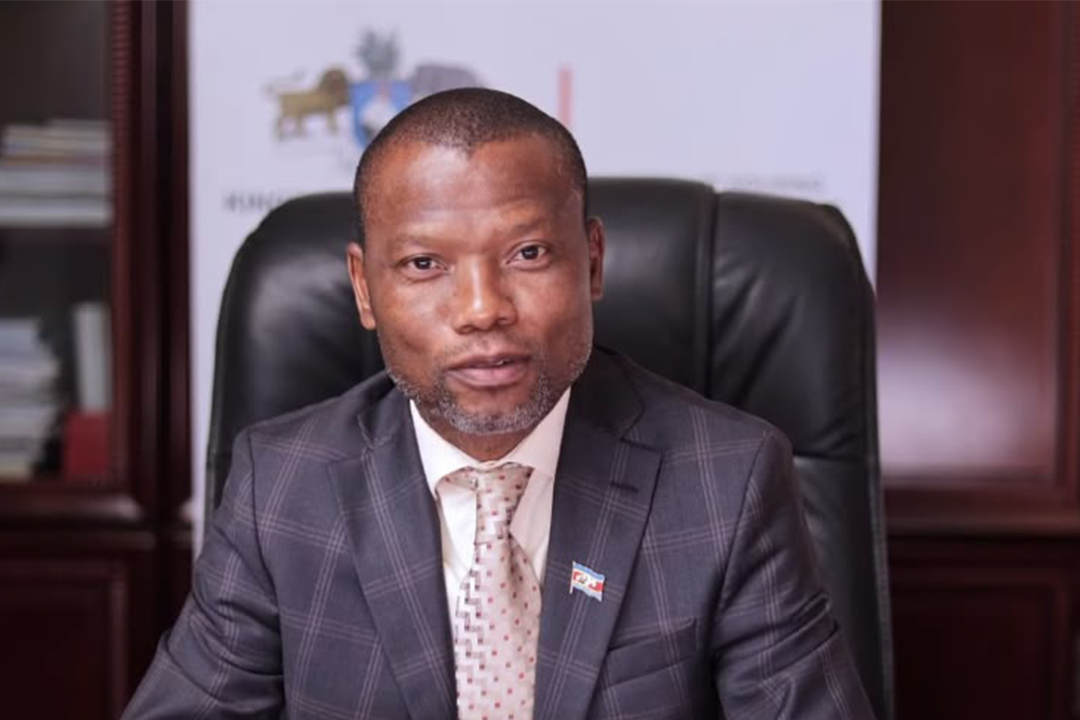
Minister of Housing and Urban Development Apollo Maphalala says the Eswatini Urban Forum will bring key players together to explore how the country can manage these changes through improved policies, smarter investment and coordinated planning.
The forum will take place from October 28 to 30, 2026, at Ezulwini Palazzo ICC, providing a platform for government, investors and other role players in housing and urban development to discuss solutions for building smarter, stronger and more resilient communities.
Maphalala said the initiative was established two years ago, drawing inspiration from the African Union’s Africa Urban Forum and the United Nations’ World Urban Forum. He expressed pride that the initiative originated in the Kingdom of Eswatini.
“The actual meaning of the activity is that we bring together all role players in the housing and urban development space,” he said.
He explained that Eswatini was experiencing both rural-to-urban migration and the rapid transformation of some rural communities into urban settlements.
These changes can increase pressure on roads, water supply, sanitation, housing and other essential services, making forward planning and well-directed investment critical to ensuring settlements develop sustainably.
Maphalala said the forum would encourage discussions capable of influencing government policy and guiding investment decisions.
“We want to bring together all stakeholders to start conversations that could lead to better policy positions by the government, better investment decisions by all stakeholders, and better management of urbanisation,” he said.
Effective settlement planning can help communities accommodate population growth, improve living conditions and create an environment that supports economic activity. The forum is expected to encourage collaboration between government and development partners in identifying priorities for sustainable urban development.
Emphasising the importance of preparing for the country’s changing development landscape, Maphalala said: “We all know that the future is urban.”
The initiative draws on continental and international experience while providing a platform to address Eswatini’s specific housing and urban development needs.
The Eswatini Urban Forum will run from October 28 to 30 under the call to build “smarter, stronger, and more resilient communities”. Stakeholders are encouraged to register and contribute to discussions that could help shape the country’s settlement planning and urban future.