



BY NOXOLO DLAMINI
PIGGS PEAK- Eswatini is making significant strides in ensuring that every citizen is counted and every vital event is officially recognised, following a notable increase in the registration of births and deaths recorded over the past decade.
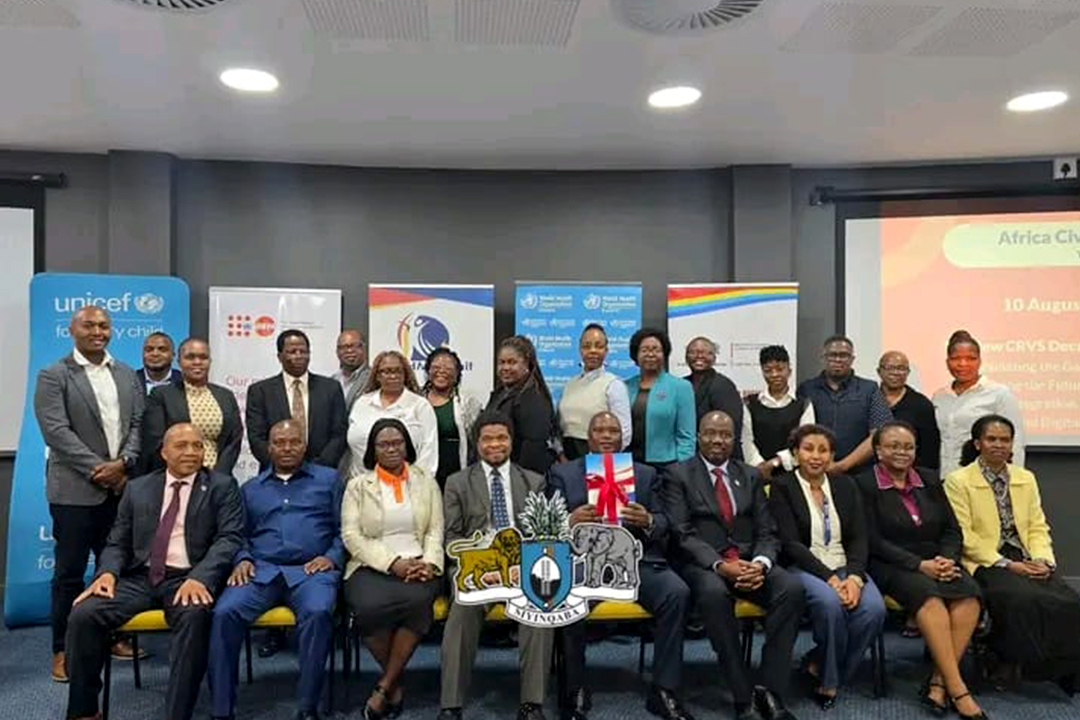
The progress was highlighted during the commemoration of the 9th Africa Civil Registration and Vital Statistics (CRVS) Day, held at the UN Building, where stakeholders reflected on the country’s achievements while outlining priorities for the new CRVS decade.
The Ministry of Economic Planning and Development, through the Central Statistical Office (CSO), joined government institutions, development partners and other stakeholders to mark the occasion under the theme, “The New CRVS Decade (2027–2036): Consolidating the Gains of APAI-CRVS and Securing the Future of CRVS in Africa through Integration, Decentralization, and Digitalization.”
A key highlight of the commemoration was Eswatini’s improvement in birth and death registration completeness. In 2025, birth registration reached 61 percent, a substantial increase from 8.3 percent recorded in 2016. Death registration also improved from 26.5 percent in 2016 to 62 percent in 2025.

These figures point to growing progress in ensuring that people have access to legal identity while strengthening the availability of reliable population data for national development planning.
Delivering the keynote address on behalf of the Minister of Home Affairs, Hon. Mabulala Maseko, emphasised that civil registration and legal identity are essential tools for promoting inclusive development, effective governance and the protection of individual rights.
The commemoration also marked the launch of the 2025 CRVS Annual Report, findings from the Verbal Autopsy Pilot, as well as Standard Operating Procedures (SOPs) for Birth and Death Registration, developed in partnership with the United Nations Economic Commission for Africa (UNECA).
Speaking during the event, UNFPA Eswatini Officer-in-Charge Thamary Silindza stressed the importance of reliable CRVS data in understanding population trends, designing targeted programmes and strengthening public health interventions.
She further highlighted the need for CRVS systems to remain inclusive, accessible, secure and trusted as Eswatini advances towards greater digitalisation.
As the country prepares for the new CRVS decade from 2027 to 2036, stakeholders have identified integration, decentralisation and digitalisation as key priorities. The approach will require stronger collaboration between government departments, health facilities, the justice sector, statistics institutions, traditional leaders, development partners and communities.
A stronger CRVS system has implications far beyond record-keeping. Accurate registration of births and deaths provides government with essential information for planning schools, healthcare services, social protection programmes and other public services.
The progress recorded between 2016 and 2025 therefore represents more than improved statistics; it reflects movement towards a system where individuals can establish their legal identity and access services and rights linked to official recognition.
With the new CRVS decade approaching, Eswatini’s challenge will be to build on these gains, close remaining registration gaps and ensure that services reach communities that may still face barriers to registration.
The message from the commemoration was clear: every person should be counted, every vital event registered, and every identity recognised — ensuring that no one is left behind.
#AfricaCRVSDay2026 #CRVS#Eswatini #CentralStatisticalOffice#MEPD #CivilRegistration #VitalStatistics #DataForDevelopment #LegalIdentity #Digitalisation #NoOneLeftBehind
(Courtesy Pic)