



BY SIFISO NHLABATSI
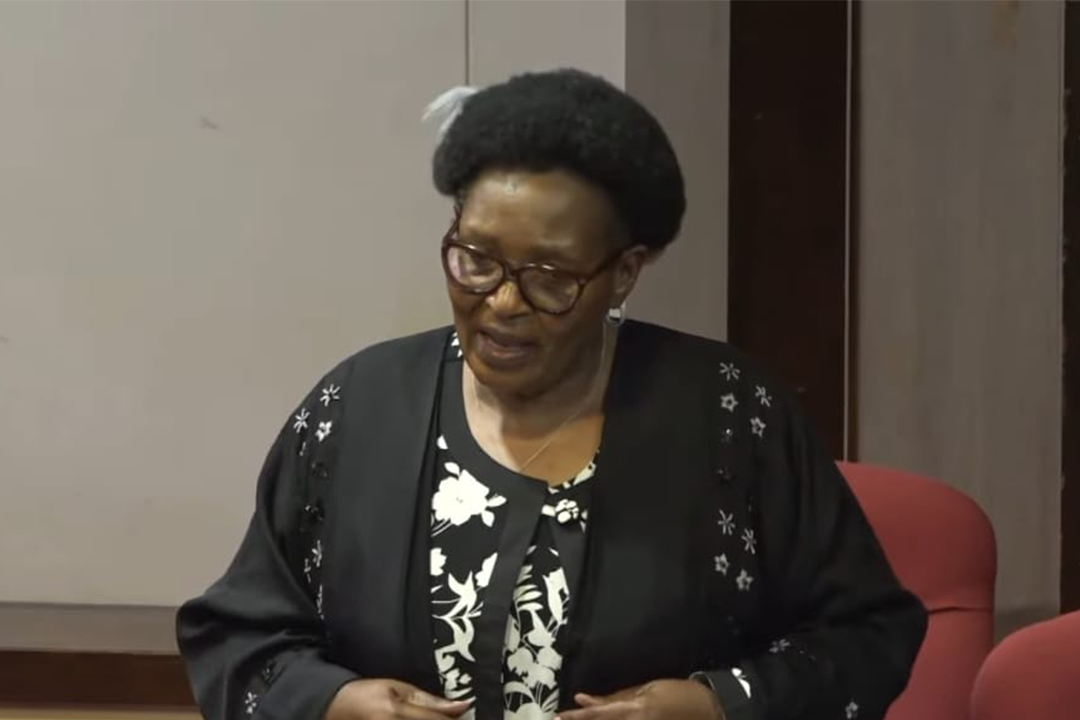
LOBAMBA – Deputy Prime Minister Thuli Dladla has cautioned against calls for Emaswati to have more children, saying Eswatini must first address unemployment, poverty and inadequate public services before encouraging population growth.
Dladla said the country could not simply encourage people to have more children without considering whether government had the resources and infrastructure to support the growing population.
She was responding to concerns raised in the Senate during the Portfolio Committee 2026 First Quarter Performance Report Debate, where senators expressed concern over Eswatini’s declining or stagnant population and called for measures to encourage childbirth.
Senate President Princess Lindiwe had urged Emaswati who were capable of having children to do so, warning that the country could face demographic challenges if the population continued to decline.

However, Dladla questioned whether Eswatini was prepared for the population growth being advocated for.
“The question is, are we ready for that population?” the DPM asked, pointing to challenges already facing the country’s schools and social protection system.
She said government was already struggling to provide adequate resources for children, while unemployment and poverty were placing additional pressure on families and the State.
According to Dladla, the situation on the ground differed significantly between urban and rural areas. She said while families in urban areas appeared to be having fewer children, her office continued to encounter rural homesteads with more than eight children.
She therefore suggested that there may be a need for a proper census to establish the country’s actual demographic situation before making policy decisions based on assumptions about population decline
The DPM said the debate around population growth also needed to take into account the economic circumstances facing families.
She noted that many educated people were reluctant to have more children because they were uncertain about how they would support them in an economy where employment opportunities remained limited.
At the same time, she said teenage pregnancies remained a major concern, with young people who were still in school increasingly becoming parents.
According to Dladla, the situation was particularly difficult in rural communities, where teenage mothers were sometimes left to raise their babies after the fathers abandoned them.
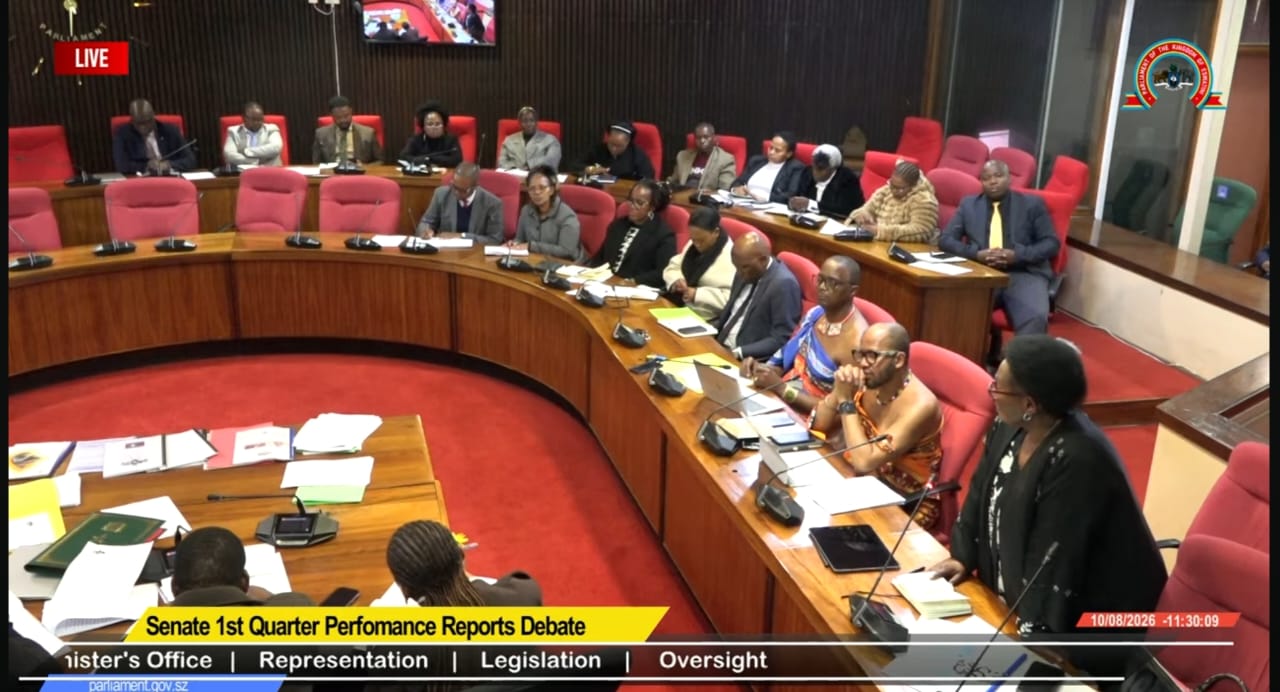
She said this contributed to the growing number of children requiring government support through programmes such as the Orphaned and Vulnerable Children (OVC) grant.
The DPM warned that simply increasing the population without creating employment and strengthening social services could deepen the country’s existing challenges.
“If we increase the population, are we ready for that?” was at the centre of her response as she highlighted shortages of resources in schools and the growing demands on government social protection programmes.
Her position came as the DPM’s Office reported that it had enrolled 17,230 learners under the OVC education grant, while 93,633 elderly people were receiving monthly grants and 18,949 disability grants had been disbursed during the first quarter.
Dladla also rejected a proposal for the introduction of a child grant as an immediate response to the population challenge.
Senator Chief Prince Mphatfwa had suggested that government could consider grants for families that have children as a way of encouraging population growth.
The DPM cautioned that such a programme could create a significant additional burden for government.
She said a child grant could result in a rapid increase in the number of people seeking government assistance, warning that there could be situations where one man has 15 children and expects the State to provide financial support.
Instead, Dladla said the immediate priority should be to address the problems already confronting Emaswati, particularly unemployment and poverty.
“For now, let the country fix the problems that are persisting, including the creation of jobs,” was the thrust of her response.
The DPM’s position effectively shifted the population debate from simply encouraging higher birth rates to addressing the economic conditions influencing people’s decisions to have children.
She argued that population growth must be matched by the capacity of the economy and public services to support that population.
The debate also touched on the contentious issue of DNA testing for children.
Deputy Senate President Ndumiso Mdluli called for DNA testing to be conducted as soon as a child is born, while Senator Isaac Mmemo Magagula supported the proposal, arguing that the cost of DNA testing should not prevent the country from implementing a system that could strengthen parental responsibility.
Magagula said the argument that DNA testing was expensive should not be viewed purely from a financial perspective, because establishing biological parentage could have long-term benefits for families and the nation.
Dladla, however, said the country should first focus on ensuring that parents take responsibility for their children.
She said there was little value in concentrating on DNA testing when the more fundamental problem was that some parents were failing to take care of their children.
“People must start taking care of their babies before they start talking about DNA tests,” she said.
The DPM’s comments came against the backdrop of a growing social protection burden. During the quarter, the Department of Social Welfare processed 1,522 child maintenance cases, up from 1,134 during the same period in 2025, while 1,340 validated child abuse cases were also handled.
#Eswatini #ThuliDladla #DeputyPrimeMinister #PopulationGrowth #PopulationDecline #Unemployment #Poverty #SocialProtection #TeenagePregnancy #ChildProtection #OVC #SocialWelfare #EswatiniSenate


