


BY PHUMELELE GAMEDZE (INTERN)
MBABANE – Broadband cables can be laid, digital platforms can be built and millions can be invested in technology, but without people embracing change, the digital revolution remains out of reach. This message took centre stage during the Ministry of ICT’s Change Agents training under the Eswatini Digital Project.
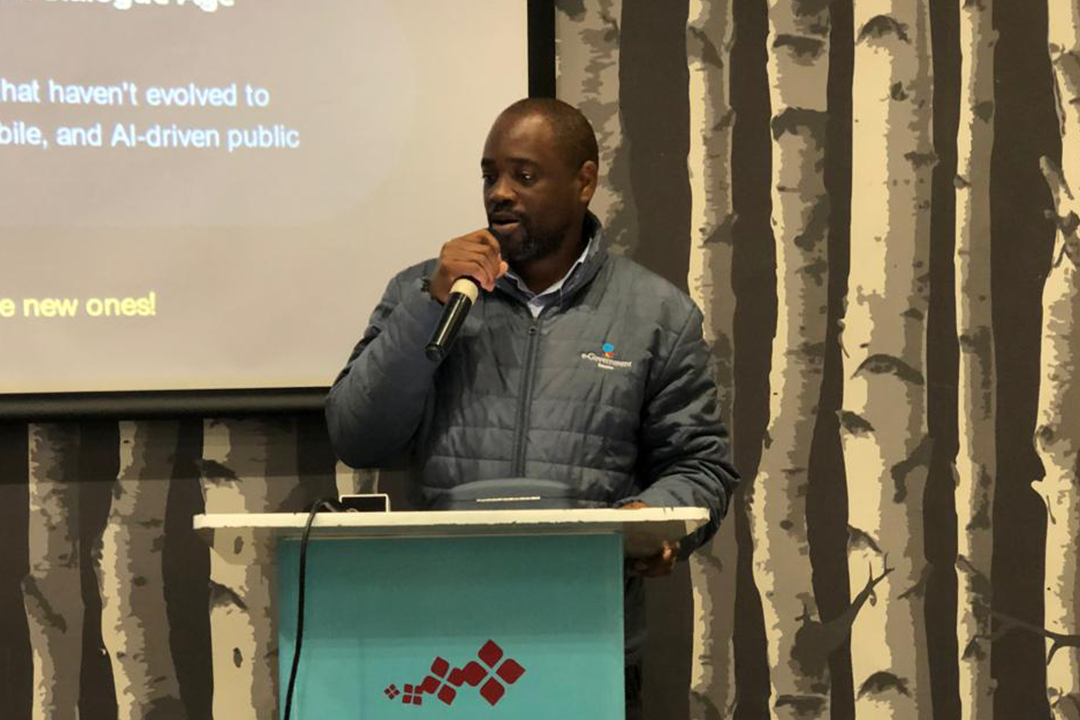
Gathering representatives from different ministries at Hilton Garden Inn Mbabane, the workshop focused on preparing leaders who will drive behavioural and institutional change as government modernises public service delivery.
https://www.tiktok.com/@eswatini.positive/video/7654542860749966612?is_from_webapp=1&sender_device=pc&web_id=7622967193130550792
Facilitators stressed that change is not a side activity of the project it is the project itself. While infrastructure provides the foundation, citizens and public servants must be willing and able to adopt new digital systems for the investment to achieve its intended impact.

A key framework introduced during the training was the internationally recognised ADKAR model, which explains how successful change occurs through five stages: Awareness, Desire, Knowledge, Ability and Reinforcement.
Participants learned that digital transformation begins with awareness of why change is necessary. It then requires building desire by demonstrating the personal and professional benefits of new systems. Training provides knowledge, practical support develops ability and continuous recognition helps reinforce positive behaviours.
The model offers a practical roadmap for ministries implementing digital services. If adoption slows, leaders can identify which stage is missing and address barriers before they undermine progress.

Through the Eswatini Digital Project, government aims to create interoperable e-services, improve broadband access and strengthen digital skills across the country. The expected outcomes include increased use of online public services, improved efficiency within government institutions and greater participation by rural communities and women in the digital economy.
The project also seeks to boost investor confidence and support small businesses by creating a more connected and digitally enabled environment.
For many participants, the workshop represents more than a training exercise. It is an opportunity to become ambassadors of a national transformation that could reshape how citizens interact with government, access information and participate in economic opportunities.
As Eswatini moves towards a digitally inclusive future, the country’s greatest asset may not be the technology itself, but the people prepared to lead and embrace the change.
#DigitalGovernment #EswatiniInnovation #ICTEswatini #FutureReadyEswatini