


BY PHUMELELE GAMEDZE (INTERN)
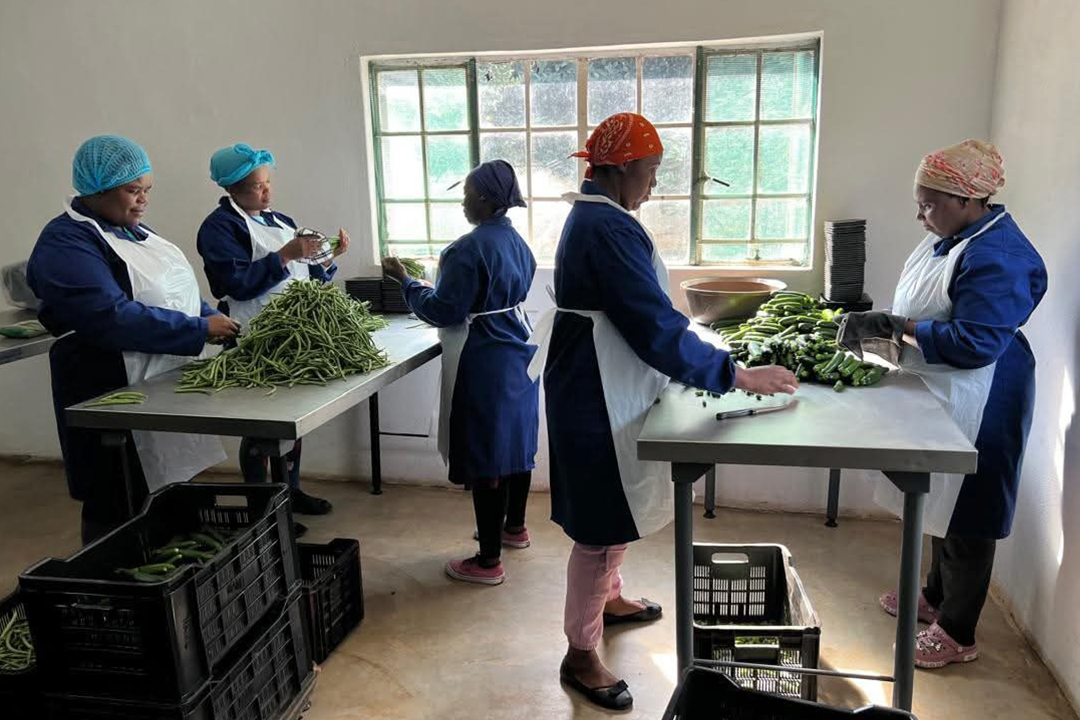
MBABANE– The IFAD Supervision Mission toured SAPEMP project sites across Eswatini this week, engaging farmers, enterprises and partners to assess how agricultural interventions are improving productivity, livelihoods and market access nationwide.
Information sourced from the Eswatini Water and Agricultural Development Enterprise (EWADE) Facebook page states that the International Fund for Agricultural Development (IFAD) Supervision Mission recently toured several sites under the Smallholder Agricultural Productivity Enhancement and Marketing Project (SAPEMP), engaging directly with farmers, enterprises and development partners to assess the project’s progress and impact across Eswatini.
The mission, conducted in partnership with the International Fund for Agricultural Development and Eswatini Water and Agricultural Development Enterprise (EWADE), visited project sites from Hawane in the Hhohho Region to Ndushulweni in the Manzini Region. The tour provided stakeholders with an opportunity to evaluate ongoing interventions aimed at improving agricultural productivity, strengthening market access and enhancing rural livelihoods.
SAPEMP is a nationwide agricultural transformation initiative implemented by EWADE with support from IFAD, the Green Climate Fund and the Government of Eswatini. The project is designed to strengthen climate smart agriculture, improve incomes for smallholder farmers and build resilience against climate change.

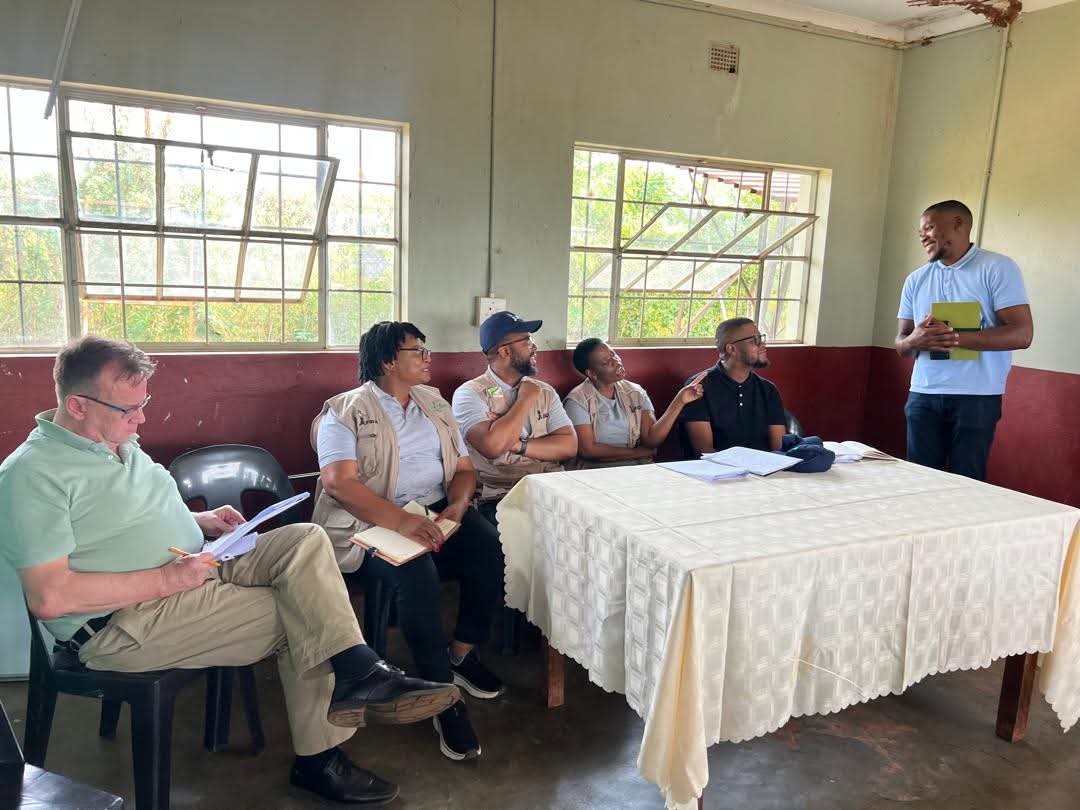
During the tour, the mission interacted with farmers and community groups benefiting from irrigation support, climate-smart farming techniques, value chain development and market linkage programmes. Farmers shared experiences on how the project has helped improve crop yields, household food security and access to structured markets.
According to information from EWADE and IFAD, SAPEMP is expected to directly benefit nearly 19,600 smallholder households nationwide, representing more than 117,000 people. The project also places strong emphasis on women and youth participation in agriculture, with women making up a significant portion of the targeted beneficiaries.
The supervision mission also reviewed progress in strengthening farmer clusters and agribusiness partnerships aimed at improving access to formal and export markets. SAPEMP interventions are further expected to support the development of collection centres, storage facilities and market infrastructure to reduce post-harvest losses and improve competitiveness among smallholder farmers.
EWADE noted that the engagements created an important platform for reflection on successes achieved so far, while also identifying implementation gaps and areas requiring additional support to improve project delivery.
The SAPEMP programme, valued at approximately E851 million, is one of Eswatini’s largest agricultural investment programmes focused on rural transformation and climate resilience. The initiative is aligned with the country’s agricultural development strategy and aims to create employment opportunities, particularly for rural youth and vulnerable communities.
Officials said the supervision mission reaffirmed the importance of continued collaboration between development partners, government institutions, private sector players and farming communities in ensuring sustainable agricultural growth and food security in Eswatini.
#EWADE #SAPEMP #IFAD #MakingADifference
(Courtesy Pics)