



BY SIFISO NHLABATSI
MBABANE– Government has established a high-level University of Eswatini (UNESWA) Reforms Implementation Committee tasked with spearheading the transformation of the country’s flagship institution of higher learning through the implementation of recommendations from two major reform reports.
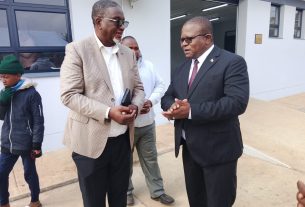
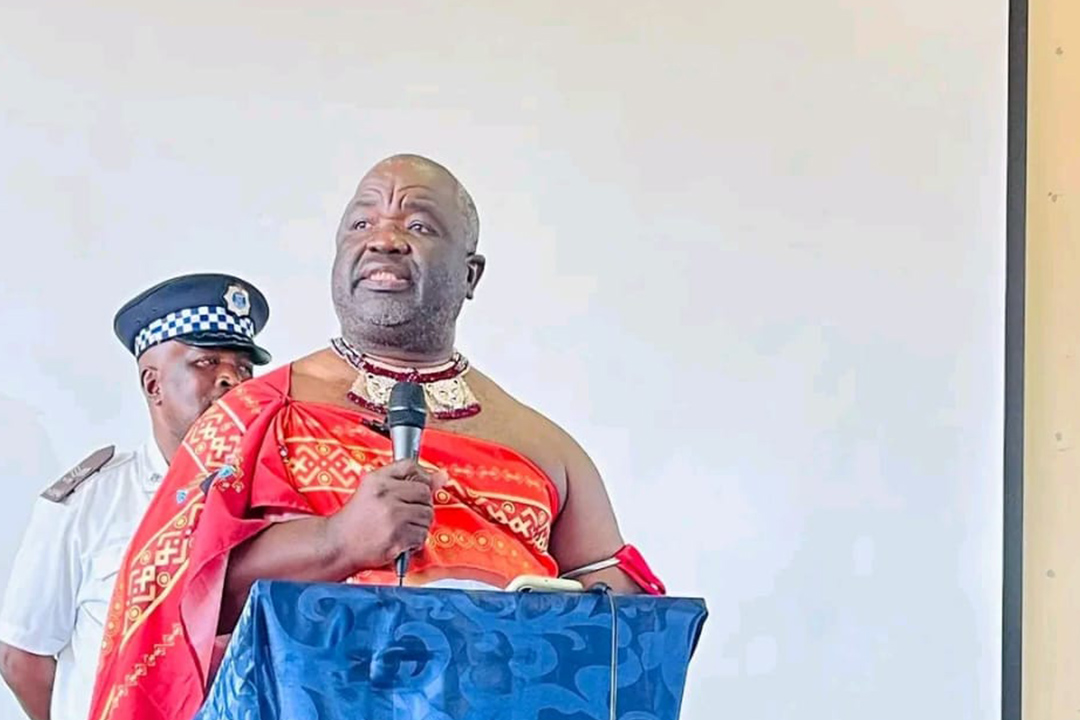
Minister of Education and Training Owen Nxumalo officially introduced the committee, describing its establishment as a significant milestone in repositioning the university to better serve the country’s development agenda.
Speaking during the announcement, Nxumalo said the University of Eswatini occupies a strategic position in national development as the country’s premier institution of higher learning, entrusted with producing globally competitive graduates, generating research that addresses national priorities, promoting innovation and contributing to economic growth and social transformation.
He said government recognised that the university was facing a number of challenges affecting its effective functioning, prompting the appointment of the University of Eswatini Task Team to assess the institution and recommend reforms.

According to the minister, the task team produced a comprehensive report containing recommendations aimed at improving governance, academic quality, financial sustainability, institutional efficiency and the university’s overall performance.
Nxumalo said these recommendations were complemented by an independent review undertaken by the World Bank, which focused on modernising the institution, strengthening its operational systems and enhancing its long-term sustainability.
He noted that the findings of the two reports collectively provide a comprehensive roadmap capable of transforming UNESWA into a stronger, more responsive and internationally competitive institution if fully implemented.
“The challenge before us is therefore no longer identifying what needs to be done. It is ensuring that these recommendations are implemented in a coordinated, timely and accountable manner,” said the minister.
To achieve this, government has established the University of Eswatini Reforms Implementation Committee, which will serve as a special-purpose structure responsible for directing, coordinating and supervising the implementation of reforms arising from both the University of Eswatini Task Team Report and the World Bank Review.
The committee has been mandated to harmonise the recommendations from the two reports into a single, coherent institutional transformation programme aimed at strengthening the university.
Nxumalo said the committee would provide strategic coordination, monitor implementation progress, facilitate problem-solving, mobilise expertise where necessary and ensure that agreed reforms translate into measurable results.
He stressed that the committee was created as an implementation and accountability mechanism designed to support the university in delivering lasting institutional change.
The minister called on the University Council, management and the newly appointed committee to work collaboratively in implementing the reforms.
He said successful institutional transformation depends on shared purpose, open communication and mutual respect among all stakeholders, adding that the future of the university rests on the collective commitment of everyone involved.
Addressing committee members directly, Nxumalo reminded them that government had entrusted them with an important national responsibility requiring strategic leadership and effective oversight.
He said members would be expected to coordinate implementation, monitor progress, address obstacles delaying reforms and submit regular reports on achievements and emerging challenges.
“Their success will not be measured by the number of meetings held or reports produced, but by the tangible improvements realised across the University,” he said.
The minister also appealed to the University’s Council and management to fully support the committee, emphasising that the reforms are intended to strengthen the institution, improve its effectiveness and position it to fulfil its mandate for generations to come.
He said the reforms present an opportunity to build a university that is academically excellent, financially sustainable, professionally managed, innovative and responsive to the needs of both Eswatini and the wider region.
Nxumalo urged all stakeholders to embrace the reform process with commitment, unity and determination.
He officially introduced the members of the University of Eswatini Reforms Implementation Committee and directed them to commence their work immediately in accordance with the mandate entrusted to them by government.
The establishment of the committee is contained in the University of Eswatini Reforms Implementation Committee Notice, 2026, which states that the committee will come into force upon publication in the Government Gazette.
The notice further empowers the committee to issue implementation directives, obtain information and records, and commission audits, reviews and investigations necessary to facilitate the reform process.
Committee Members
Professor Zodwa Motsa – Chairperson
Mboni Dlamini – Vice Chairperson
Primrose Dlamini – Member
Musa Ndzabandzaba – Member
Leonard Nxumalo – Member
Major V. Sithole – Member
Annelisa Stoffels – Member
Hasso Magagula – Member
Mcolisi Stan Maphosa – Secretary
#UNESWAReforms #UNESWA #HigherEducation #EducationReform #Eswatini #GovernmentOfEswatini #MinistryOfEducation #InstitutionalReform #UniversityGovernance #HigherEducationTransformation #EducationDevelopment #AcademicExcellence #PublicSectorReform #Governance #NationalDevelopment #Leadership #Innovation #SustainableEducation
(Courtesy Pic)