


BY MBONGENI NDLELA
MBABANE – Eswatini is entering a decisive phase in strengthening its public finances, with Government rolling out notable measures to protect revenue, improve service delivery and restore fairness in the tax system.
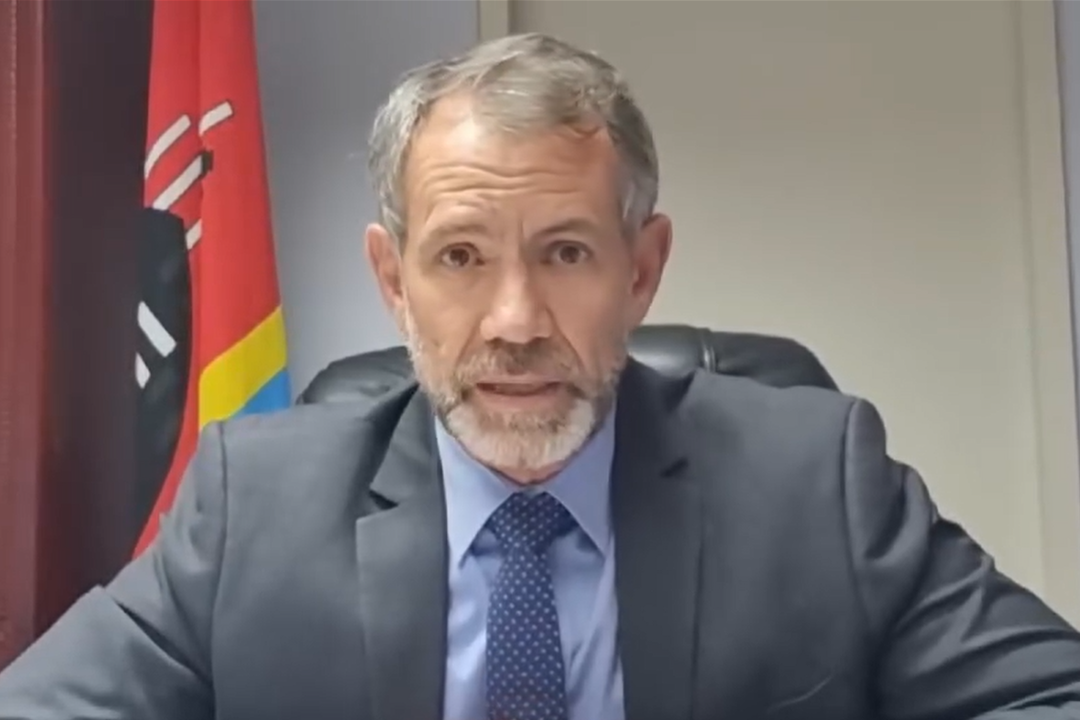
Speaking during a Finance in Focus briefing, Minister of Finance Neal Rijkenberg outlined how Government, working with the Eswatini Revenue Service (ERS), has taken a firm step by bringing in experienced tax experts from Uganda to help combat VAT fraud in the retail sector.
VAT Leakages Raise Alarm
While overall tax collection in Eswatini continues to grow at double-digit levels without increasing tax rates, the Minister revealed a troubling trend in Value Added Tax (VAT) from retailers.

“Even though taxation continues to grow quite well, the VAT we are collecting from the retail sector is on a downward trajectory, instead of the normal upward trajectory,” Rijkenberg said.
According to the Minister, evidence points to widespread under-declaration, fraudulent VAT claims and, in some cases, VAT being collected from consumers but never passed on to Government.
Expert Support to Strengthen Enforcement
To address the challenge, Government has enlisted a specialised team from Uganda with a proven track record in tackling tax fraud across several countries.
“We now have a team here from Uganda which has a wonderful record of success when it comes to fixing tax fraud,” he said.
“They have landed and are starting straight away with helping ERS identify companies that are not paying VAT or are being fraudulent.”
No Tolerance for Tax Fraud
Rijkenberg made it clear that accountability will be enforced firmly and fairly.
“If they’ve been naughty and committing tax fraud, they will be held accountable – even for historic tax fraud,” he said.
“As a country, we all need to pull our weight. We cannot have a sector that benefits from VAT and then keeps it for itself.”
He emphasized that the tax system is designed to protect the poor, making compliance by businesses even more critical.
Taxes That Work for the People
The Minister underlined that stronger VAT collection is not punitive, but developmental.
“This is money that goes towards service delivery. It builds roads, funds schools, supports hospitals and improves the lives of Emaswati,” he said.
He called on businesses and the public to cooperate, noting that improved compliance directly translates into better public services.
Technology as the Strongest Weapon Against Corruption
Beyond VAT enforcement, Rijkenberg highlighted how Government is using technology to prevent corruption before it happens.
He cited the introduction of tightly controlled Government vehicles, which has already reduced fuel consumption by 40 percent.
“The way to solve corruption is actually technology,” he explained.
“These systems make fuel theft almost impossible.”
A Transparent Financial Future
The Minister also pointed to the rollout of the Integrated Financial Management Information System (IFMIS), now being used in the national budget.
“This is a fully paperless system. The transparency it brings will stop any possible corruption within the financial sector,” he said.
Closing Gaps, Building Confidence
Rijkenberg concluded by reaffirming Government’s commitment to continuously improve systems, close loopholes and ensure that public resources are protected.
The message was clear: stronger oversight, smarter systems and fair taxation are laying the foundation for a more accountable, efficient and people-focused Eswatini.