


BY SIFISO NHLABATSI
MBABANE– Government has set its sights on generating a E2 billion contribution to the country’s Gross Domestic Product (GDP) from the tourism sector, with the target being linked to improved livelihoods, sustained businesses and greater community benefit.
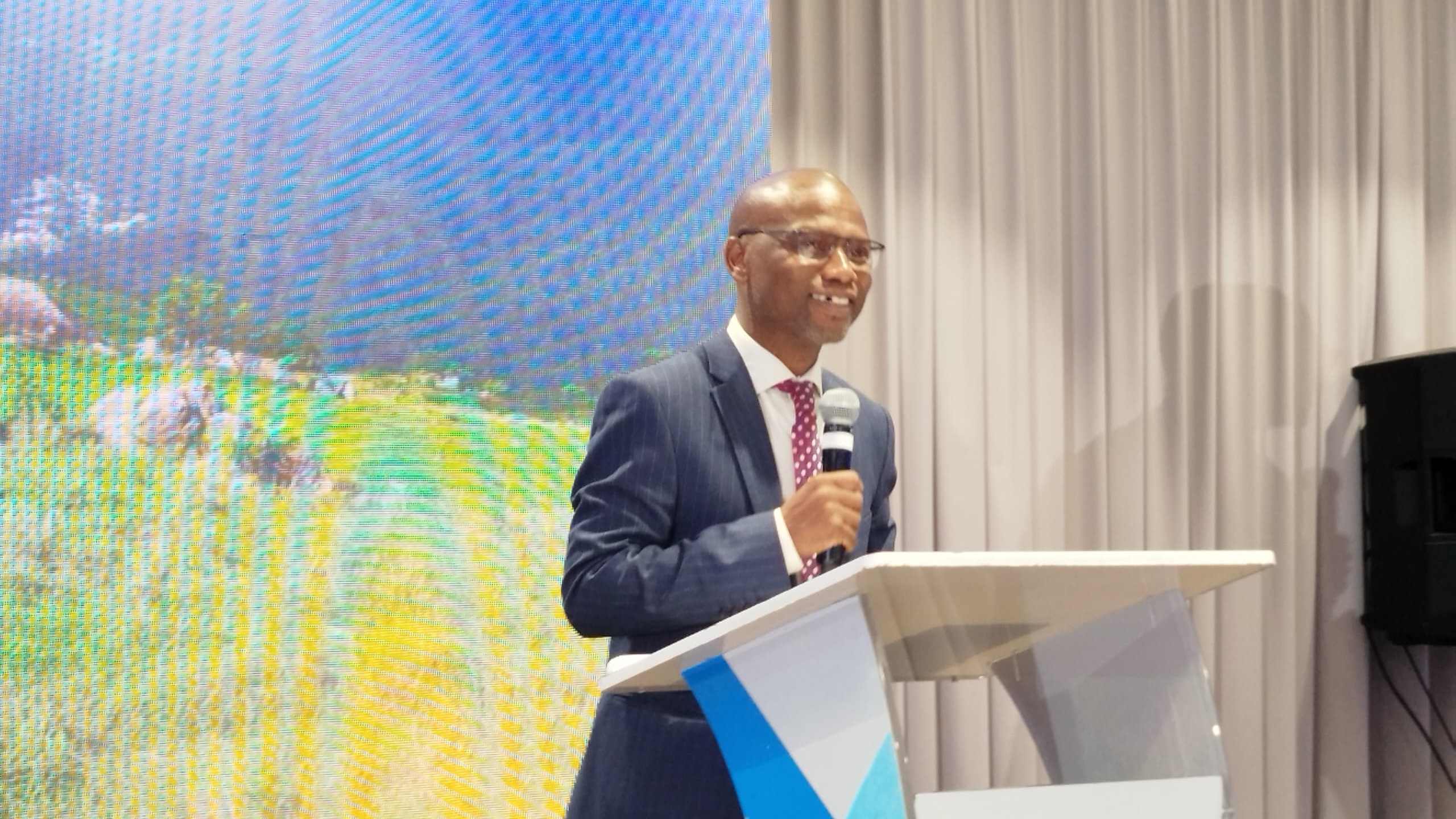
The target was reaffirmed by Minister of Housing and Urban Development Apollo Maphalala, who was acting for the Minister of Tourism and Environmental Affairs Jane Mkhonta-Simelane, during the second Tourism Nkwe Conference held at Hilton Garden Inn Mbabane on Thursday.
In his speech, Maphalala said the tourism growth agenda was being driven by Prime Minister Russell Mmiso Dlamini’s leadership and his Plan of Action for Tourism, which places investment and community benefits at the centre of the sector’s development.
“None of this would be possible without the leadership of His Excellency the Right Honourable Prime Minister, whose Plan of Action for Tourism keeps investment and community benefit firmly at the centre of our growth agenda,” Maphalala said.

He said Government, under the Prime Minister’s direction, continued to prioritise regulatory reforms, connectivity partnerships and community-based initiatives that were considered critical to the development of the tourism sector.
Maphalala said the country remained focused on two key targets; attracting two million international arrivals and achieving a E2 billion contribution to GDP from tourism.
He said these targets should not be viewed merely as statistics but as indicators of the tangible benefits expected from tourism.
“We remain focused on our targets, two million international arrivals and a E2 billion contribution to GDP, not as abstract numbers, but as a measure of livelihoods improved, businesses sustained, and a Kingdom that shares fairly in the value its beauty and culture generate,” he said.
The acting minister said progress had already been recorded in the sector, including an upward trajectory in visitor arrivals and deeper regional marketing partnerships with Botswana and other neighbouring countries.
He said Eswatini’s international profile had also continued to grow, with the destination receiving recognition from international travel platforms and media for its cultural and natural attractions.
Maphalala further highlighted Government’s efforts to ensure communities benefit directly from tourism, saying community-based tourism initiatives, particularly those led by young people and women, were receiving more structured support than they did a year ago.
He said the intention was to deepen this investment in the coming year.
The minister also acknowledged the contribution of other Government ministries whose mandates intersect with tourism, particularly those responsible for transport, home affairs and finance.
He said their cooperation was essential to the progress being recorded in the sector.
The conference was held under the theme of reviewing progress and confronting challenges affecting the tourism sector, with stakeholders expected to engage on measures to accelerate growth.
Maphalala called for the same honesty and urgency that characterised the inaugural Tourism Nkwe Conference to be maintained, acknowledging that while progress had been made, more work remained.
“Our progress is real, but so is the distance still ahead of us,” he said.
ETA MOVES TO MEASURE TOURISM’S GDP CONTRIBUTION
The Eswatini Tourism Authority (ETA) disclosed that it has started implementing a United Nations-endorsed statistical framework that will establish the tourism sector’s actual contribution to the country’s Gross Domestic Product (GDP) and wider economic activity.
ETA Chief Executive Officer Vusie Dlamini said the Tourism Satellite Accounts (TSA) framework was being implemented in collaboration with key partners to provide a more accurate measurement of the sector’s economic contribution.
“It is important for us to appreciate that tourism is cross cutting and not just about international arrivals,” Dlamini said.
He said the process would go beyond counting tourists entering the country to determine whether increased arrivals were translating into longer stays, higher occupancy rates, increased visitor spending, investment, employment and a wider contribution to the economy.
The CEO said the authority was already working on the implementation of the TSA, which he described as an internationally recognised statistical framework.
Dlamini said accurately measuring tourism’s economic contribution was important as the country continued to pursue economic growth and job creation.
The development comes as Eswatini records a recovery in international tourist arrivals, although numbers remain below pre-COVID-19 levels.
According to Dlamini, international arrivals increased from approximately 964 000 in 2024 to 1.037 million in 2025. He further reported an eight per cent increase in international arrivals by June 2026, with approximately 562 000 arrivals recorded by mid-year.
He attributed part of the growth to the country’s major cultural events, including Incwala, Buganu and the Bushfire Festival.
However, Dlamini noted that the tourism sector continued to operate against international challenges, including increased oil prices which had contributed to higher travel costs and a reduction in travellers from European markets.
The CEO said the latest developments in measuring tourism’s contribution formed part of the ETA’s broader efforts to align its operations with national development priorities.
He said the ETA Board of Directors had reviewed the authority’s 2026-2030 organisational strategy, resulting in a revised strategic plan aimed at strengthening implementation and moving the authority away from an activity-driven approach towards one focused on results, outcomes and impact.
Dlamini said the revised strategy was anchored in the Government Plan of Action and the country’s Grand Plan, ensuring that the ETA’s programmes, resources and performance were directed towards national development outcomes.
The focus on measuring tourism’s economic contribution comes amid calls for faster action to unlock the sector’s potential, particularly in creating employment opportunities.
Prime Minister Russell Mmiso Dlamini told stakeholders during the Nkwe Conference that the people were demanding job creation, particularly for the youth, and said there was no luxury of taking too long to address barriers affecting the tourism industry.
He called for systems that would enable more tourists to come to Eswatini, stay comfortably and spend more money in the country, thereby supporting businesses.
Meanwhile, Minister of Housing and Urban Development Apollo Maphalala, who represented the Minister of Tourism and Environmental Affairs, said the Prime Minister’s Plan of Action placed investment and community benefits at the centre of tourism growth.
He said Government was prioritising regulatory reforms, connectivity partnerships and community-based initiatives while pursuing a target of two million international arrivals and an increased contribution to GDP.
Dlamini said the TSA process would provide the evidence needed to establish whether growth in tourist arrivals was translating into tangible economic benefits.
He said he would provide further details on the process later during the tourism engagement.
The second Tourism Nkwe was also marked by the signing of a strategic Memorandum of Understanding between the Municipal Council of Mbabane and the Hospitality and Tourism Association of Eswatini (HOTAES), aimed at strengthening collaboration in tourism, service excellence and economic growth.
#EswatiniTourism #TourismNkwe2026 #TourismGrowth #GDP #E2Billion #JobCreation #CommunityTourism #EconomicGrowth #TourismInvestment