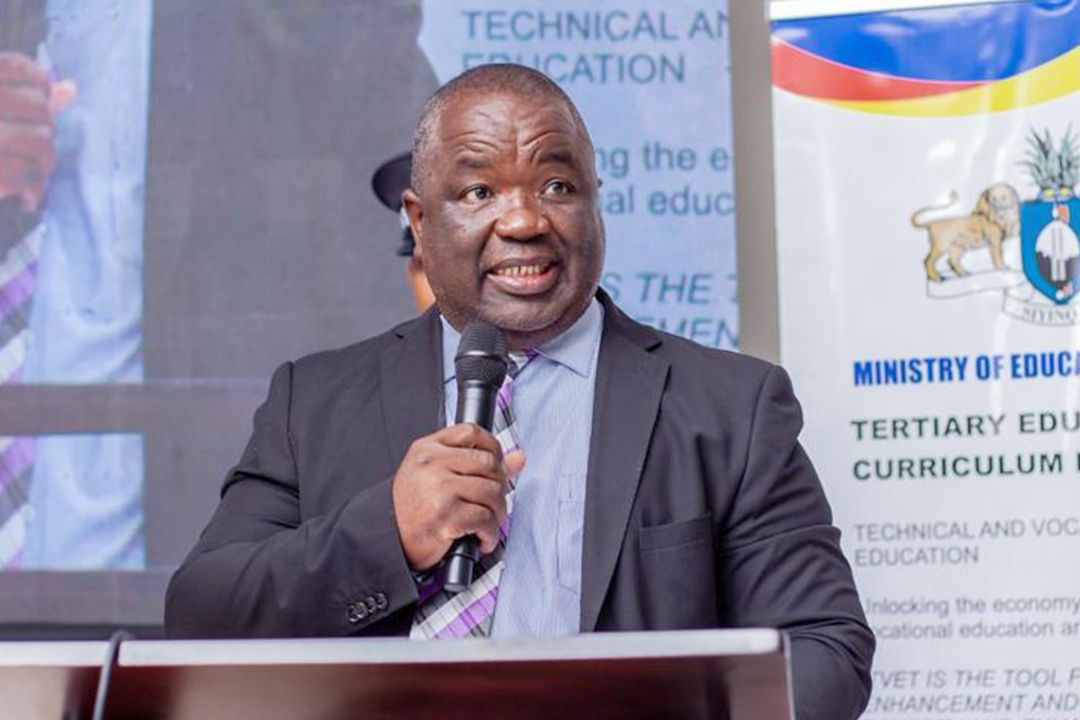



BY MFANUFIKILE KHATHWANE
LOBAMBA– Teachers could be on the path to greater job security as the Ministry of Education and Training works to convert non-permanent teaching positions into permanent and pensionable posts, with about 40 per cent of teachers currently employed on temporary contracts.
The revelation was made by the ministry in its first-quarter performance report responses to Members of Parliament interventions, following questions raised by Hon. Zanele Mashaba, the Lomahasha Member of Parliament, on challenges affecting the education sector.
Hon. Zanele Mashaba asked the ministry “Is the Ministry aware of how many teachers are currently on temporary contracts, and what is being done to address this challenge?”
In response, the ministry said it was aware that approximately 40 per cent of teachers were employed on temporary contracts.

It stated that a phased programme had been developed to progressively convert eligible teachers into permanent and pensionable positions, depending on approved posts and available budget.
The ministry added that priority was being given to teachers aged 50 years and above who are still employed on temporary contracts.
The move is expected to enhance teacher security and contribute towards greater stability in schools.
Meanwhile, Hon. Sicelo Jele welcomed the ministry’s efforts in addressing challenges affecting schools, including the speedy repair of institutions damaged by storms in his constituency.
Jele also acknowledged the handling of challenges affecting a skills centre in his area. He noted that 220 teachers had already been converted and called for more educators to benefit from the programme to strengthen stability in schools.
On infrastructure support, Mashaba also questioned why no schools from the Lubombo Region benefited from US-OHDACA funding.
The ministry explained that beneficiary selection was done by US-OHDACA based on its own identified “schools of interest”, which did not include schools from the region.
However, it clarified that Lubombo schools continued to benefit from other infrastructure development initiatives.
Addressing concerns over poor academic performance, the ministry said it had investigated 40 underperforming primary and secondary schools to identify factors contributing to low learner results.
Following the investigations, School Improvement Plans were developed focusing on teaching quality, school leadership, learning resources and learner support. Regional Education Offices and the Inspectorate continue monitoring progress.
On challenges of drug abuse and bullying in schools, the ministry said it was working with the Royal Eswatini Police Service (REPS) to curb bullying and gangsterism.
It further revealed that the Guidance and Counselling Department was collaborating with other ministries and non-governmental organisations to implement programmes aimed at addressing drug abuse and bullying among learners.
The ministry also reported that Physical Education has been integrated as a core curriculum subject, ensuring learners develop fitness, teamwork and healthy lifestyle skills.
The interventions highlight ongoing efforts by the ministry to strengthen teacher welfare, improve learning environments and support better outcomes for learners across Eswatini.
#EducationEswatini#TeachersJobs#TeacherSecurity#MoET#EducationSector#SchoolDevelopment
(Courtesy Pic)