


BY MFANUFIKILE KHATHWANE
MBABANE – The Minister of Health, Hon. Mduduzi Matsebula (MP), has urged urgent action to address stigma, discrimination, and gaps in care for people living with epilepsy in Eswatini.
Speaking at the International Epilepsy Day commemoration at Hilton Garden Inn on Monday February 9, 2026, Minister Mduduzi Matsebula emphasised that epilepsy is a medical condition, not a curse, and those living with it deserve respect, compassion, and equal opportunities.
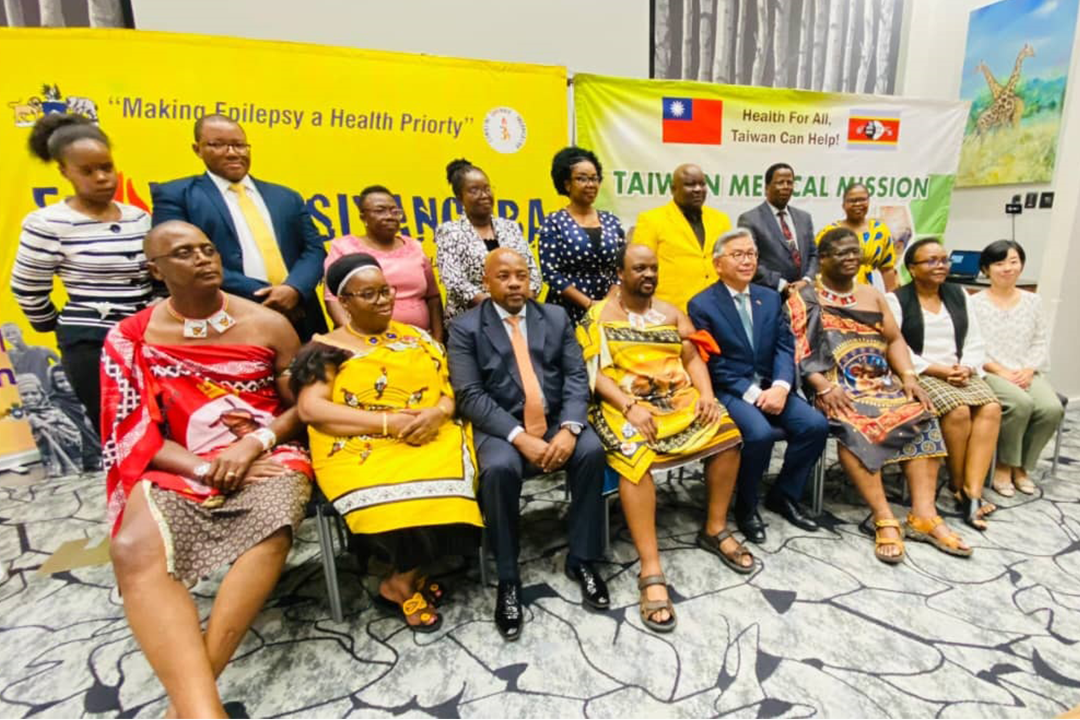
The event was attended by key stakeholders, including Hon. Mduduzi Matsebula, Minister of Health, HRH Prince Bandzile, Patron of the Eswatini Epilepsy Organisation, Hon. Sandile Nxumalo, Senator Princess Ntfombiyenkhosi, H.E. Jeremy Liang, Ambassador of Taiwan to Eswatini, and representatives from the Taiwan Technical Mission and the Ministry of Health. The event brought together government officials, civil society, and development partners to discuss epilepsy care, rights, and awareness.
The Minister noted that approximately 363 people per 100 000 in Eswatini are affected – well above the 139 per 100 000 average in similar countries – highlighting the urgency of a coordinated response.

“The gaps are clear,” he said. “There is no dedicated neurological law or budget. Enforcement of existing protections is limited, and many rights guaranteed in law are not fully realised in practice. Stigma remains one of the greatest challenges, affecting education, employment, and family life.”
Hon Mduduzi Matsebula called for clear budget lines for mental health, specialised training for healthcare workers, social security for people with epilepsy, and accelerated implementation of the National Health Sector Strategic Plan 2024–2028, prioritising neurological disorders alongside other non-communicable diseases.
Hon. Sandile Nxumalo highlighted ongoing challenges, including discrimination in employment, medical access barriers, and persistent stigma. “People living with epilepsy face hurdles daily, from finding work to receiving proper medical care,” he noted.
During a panel discussion, Sindiswa Bhembe stressed the importance of visual and digital education, urging engagement through social media rather than traditional pamphlets, which people often ignore. She called on content creators such as Gogo, Slwane, and Gendlembane to help deliver messages that resonate and educate the public effectively.
The Minister welcomed these initiatives, reaffirming the government’s commitment to protecting the rights, dignity, and inclusion of people living with epilepsy. “Let us turn stigma into solidarity, discrimination into justice, and neglect into action. Awareness must lead to concrete change. This is our #EpilepsyPledge,” he said.
#EpilepsyAwareness #EpilepsyPledge #HealthForAll #EndStigma #MentalHealthMatters