BY MBONO MDLULI
MBABANE – Eswatini’s healthcare system remains severely understaffed, with only 92 of 480 vacant posts filled, raising alarm over the country’s capacity to deliver adequate health services.
This was revealed by Minister of Health Mduduzi Matsebula during the first quarter performance debate of the 2025/2026 financial year in Parliament. The session was attended by Members of the Ministry of Health Portfolio Committee, who expressed concern about mounting pressure on health workers and service delivery across clinics and hospitals nationwide.
“Out of 480 existing vacancies within the Ministry, only 92 posts have been filled,” said Minister Matsebula, acknowledging the shortfall and its implications for the nation’s health services.
A Sector Struggling to Cope

The vacancy figures follow recent unrest at Mbabane Government Hospital, where healthcare workers staged a sit-in protest over staff shortages and frequent medicine stockouts.
Principal Secretary (PS) Khanya Mabuza addressed the issue last month, confirming that the Ministry is seeking to recruit over 400 health workers to ease the burden on the system.
“We are finalising a strategy to fill these positions within a three-month period,” said Mabuza, adding that excessive overtime was leading to burnout among existing personnel.
Despite this recruitment drive, Eswatini still falls far short of the World Health Organisation’s (WHO) recommendation. According to the 2024 WHO Health Labour Market Analysis, the country requires an additional 14 125 health workers to reach Universal Health Coverage (UHC).
Medical Supplies & Drug Procurement
In response to the ongoing medication shortages, Mabuza noted that 80% of essential medicines have now been ordered, with procurement supported by the World Bank. However, he warned of logistical hurdles, such as suppliers failing to deliver complete orders, and reiterated the need for an emergency medical fund to guarantee consistent stock of vital drugs.
“Emergency procurement has proved difficult,” he said. “An emergency fund would allow us to act quickly and avoid service disruption.”
Accountability Measures & Drug Theft Crackdown
The Ministry is also preparing to launch a new patient grievance platform next week, which will allow patients to report service denials or lack of medication directly at hospital administrators’ offices.
The system, currently being piloted in five hospitals, aims to enhance accountability, ensure proper drug distribution, and prevent diversion of government medicines into illicit channels.
In a further effort to curb corruption, the Ministry is working with the Royal Eswatini Police Service to investigate pharmacies suspected of illegally acquiring government medications.
Tackling Workforce Losses
Mabuza confirmed that the Ministry has received approval to replace 82 recently retired healthcare workers, a move expected to provide immediate relief in overstretched departments.
A Call for Patience and Support
The Ministry has appealed to both health professionals and the public for patience and cooperation as it rolls out these critical interventions.
“We understand the frustrations,” said Mabuza. “But we are moving swiftly to address the root causes and build a resilient health system that meets the needs of all emaSwati.”
With chronic understaffing, medicine shortages, and growing public concern, the Ministry faces an uphill battle. However, these steps mark a renewed effort to restore confidence in the public health sector and ensure no patient is left behind.
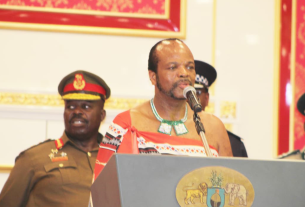
(Courtesy Pic)