
- See people beyond roads and zones
By King’s Office Correspondents
BAKU, AZERBAIJAN & MBABANE -The world is facing a housing crisis that now affects almost 2.9 billion people, United Nations leaders warned yesterday.
It has been disclosed that one in four urban residents globally now lives in informal conditions. For Eswatini, where rapid urbanisation around Mbabane, Manzini and other towns is outpacing formal housing supply, the figures are a stark reminder of a reality facing thousands of families in fast‑growing urban and peri‑urban areas.
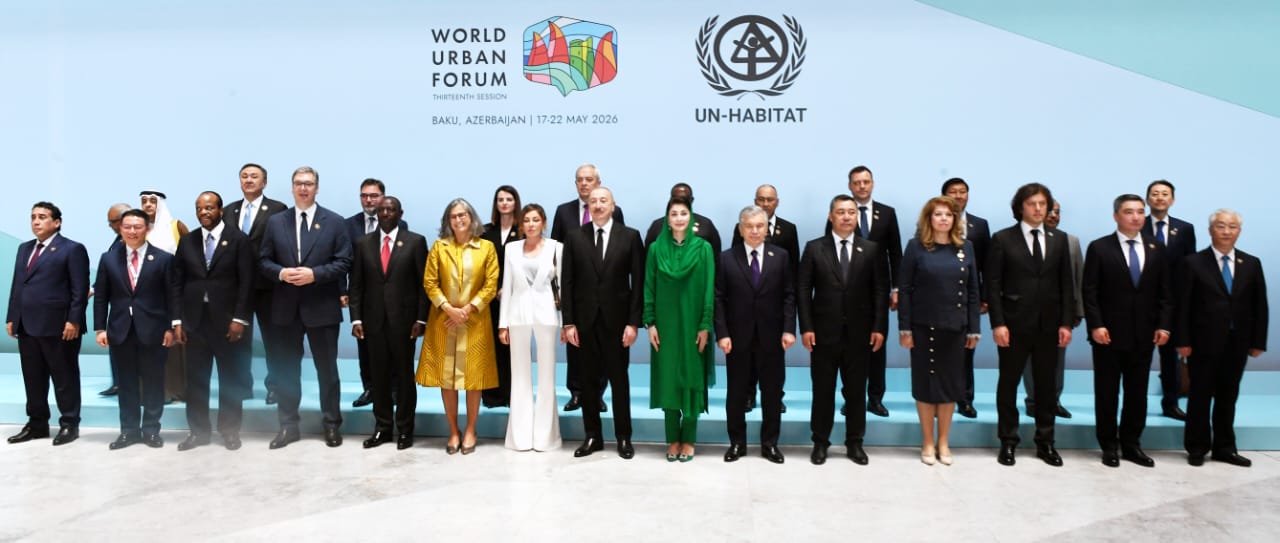
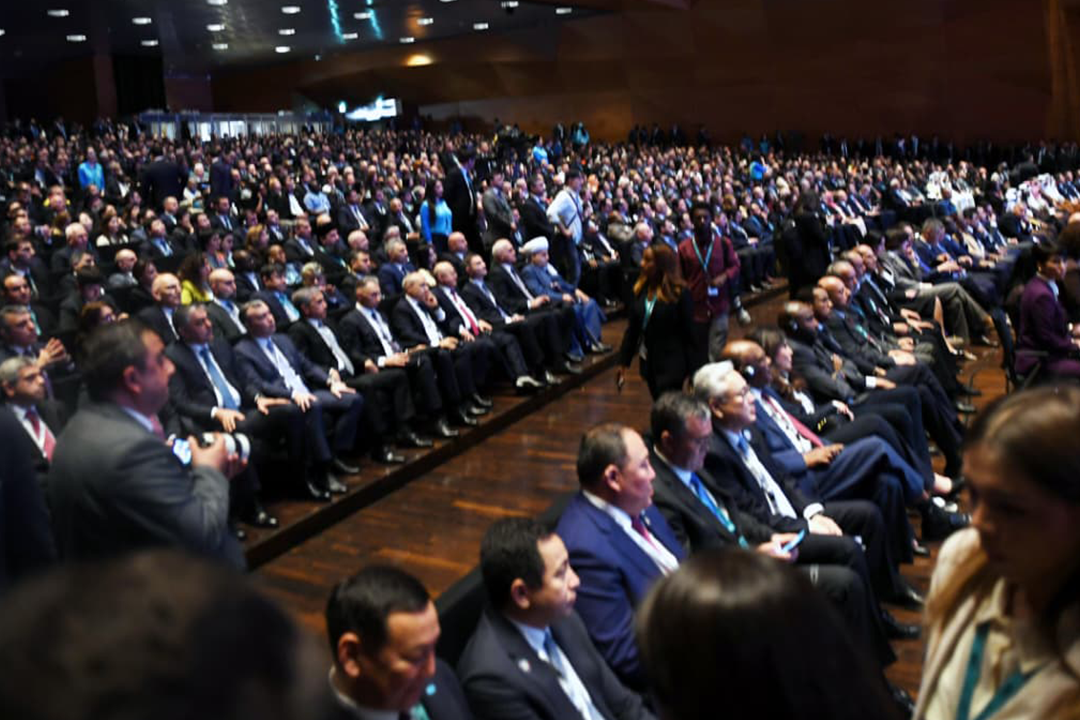
Addressing the opening of the 13th World Urban Forum(WUF13) in Baku attended by His Majesty the King, the President of the UN General Assembly, Annalena Baerbock, stressed that affordable, safe and decent shelter is not a luxury but ‘a fundamental human right’ and the bedrock of dignity, health, security and opportunity.
She said more than 1.1 billion people still live in informal settlements or slums and over 300 million are homeless.

Baerbock cautioned that housing cannot be treated as a standalone issue. “Without safe housing, health deteriorates, education is disrupted, insecurity deepens, inequality hardens and communities become more vulnerable to conflict and disasters,” she said.
The World Urban Forum, attended by around 45,000 delegates from 182 countres, emphasised that simply building more housing units will not solve the problem, either globally or in countries such as Eswatini.
“What is required is a systemic approach that connects housing with infrastructure, basic services, climate resilience, financing and inclusive planning,” Baerbock argued.
Baerbock also urged governments to treat residents not merely as recipients of housing schemes but as ‘active contributors’ to city‑building. Local authorities in Eswatini have long grappled with how to regularise informal settlements without mass evictions or unaffordable compliance costs.
Global experience shared in Baku suggest that involving communities in planning, upgrading and cost‑sharing leads to better and more sustainable results.
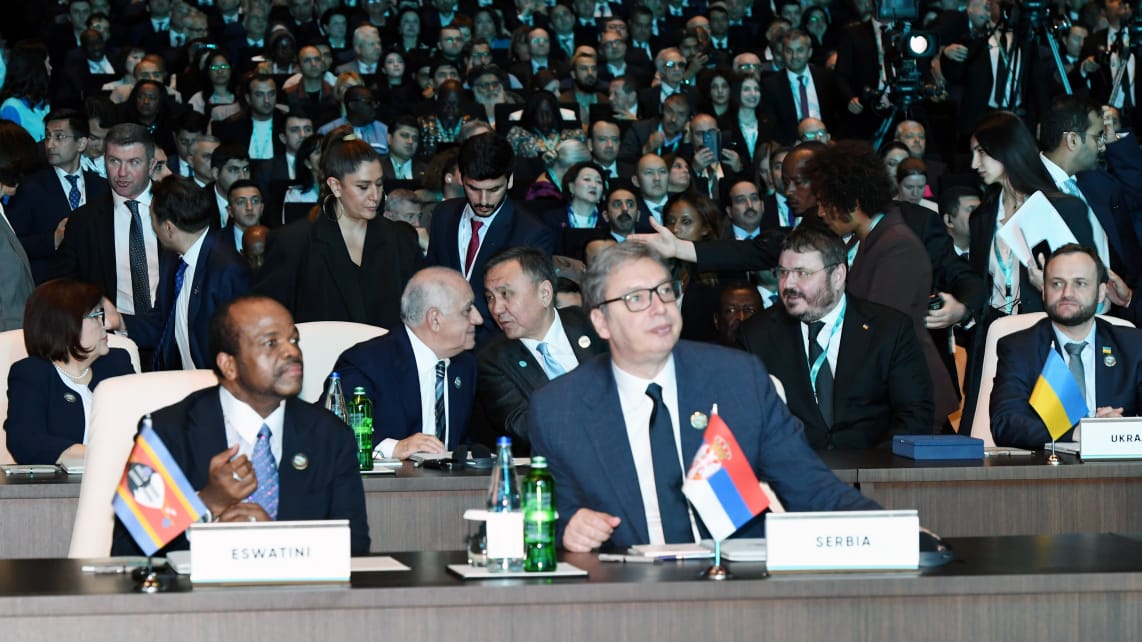
Her speech underscored the continuing importance of the New Urban Agenda, the UN’s global framework for more inclusive, safe, resilient and sustainable cities, adopted 10 years ago.
In July, the UN General Assembly will hold a high‑level meeting in New York to review mid‑term progress and renew political commitment. The outcome will shape how international support, finance and technical assistance flow to countries like Eswatini in the coming years.
Baerbock said there are no simple solutions to the crises of this era, but insisted there is an urgent need for countries at all income levels, including small states like Eswatini, to move from plans to practical, people‑centred implementation.


‘SEE PEOPLE BEYOND ROADS AND ZONES’
BAKU, AZERBAIJAN – “Do not only see the roads and zones? See the faces.”
This is an appeal made by the President of the UN‑Habitat Assembly, Nga Kor Ming, in his opening speech at the 13th World Urban Forum(WUF13) in Baku to press governments to put people, not just lines on planning maps, at the centre of urban policy formulation.
The forum, convened under the theme “Housing the World: Safe and Resilient Cities and Communities”, is seeking ways to tackle a global housing shortage that now affects nearly 2.9 billion people.
“According to UN‑Habitat, over two billion urban dwellers will be impacted by an increase of at least 0.5 degrees Celsius by 2040. For those communities with inadequate solutions, these are not just numbers; they represent a critical threat to survival,” Nga Kor Ming warned.
Drawing on his own country’s experience, Nga Kor Ming highlighted Malaysia’s efforts under the ‘Malaysia Madani’ vision, noting that the country has delivered over 1.1 million affordable homes, reached a 77 per cent home‑ownership rate, planted more than 150 million trees and enabled 60 per cent of local authorities to complete Voluntary Local Reviews to track progress on the Sustainable Development Goals (SDGs).
The message to countries like Eswatini was to the effect that progress is possible when three elements align; these being strong national leadership, empowered local authorities and active communities.
Nga Kor Ming also urged the global community to help bridge the estimated USD 5.4 trillion financing gap for climate‑resilient infrastructure, including housing. Nga Kor Ming said the informal ministerial meeting held in Baku, with more than 80 ministers present, was part of preparations for a high‑level mid‑term review of the New Urban Agenda in New York next year. He called on all countries to help craft a legacy document that is both ambitious and realistic.
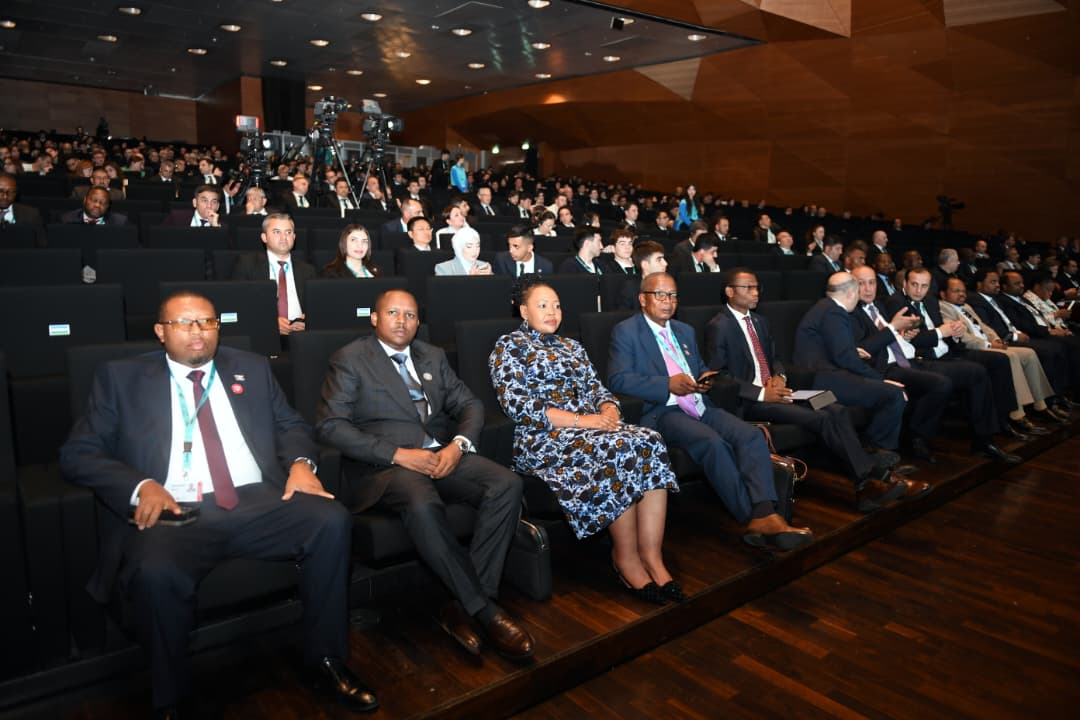
Quoting an Azerbaijani saying – “every home is its owner’s centre of the world” – Nga Kor Ming reminded delegates that the value of a home is not only monetary or structural; it is emotional, social and psychological.
This sentiment rings true in Eswatini, where homesteads are deeply connected to family identity, culture and lineage.
He closed with another proverb: “The lake is formed drop by drop. Each policy, each partnership and each commitment made in Baku”, he said, “should be seen as a drop of hope that contributes to a river of action where no one and no place is left behind.”
Nga Kor Ming’s humble plea to look beyond the technical map and see the faces resonates with many of Eswatini’s current debates.
The local delegation includes cabinet ministers from the Ministry of Foreign Affairs Pholile Shakantu, Home Affairs Minister Princess Lindiwe, Natural Resources and Energy Prince Lonkhokhela, Housing and Urban Development Apollo Maphalala, Commerce, Trade and Industry Manqoba Khumalo, Information Communication and Technology (ICT) Savannah Maziya and Tinkhundla Development Sikhumbuzo Dlamini.
Other senior government officials and legislators present are prince Sicalo, the UEDF Principal Secretary, Appointed Member of Parliament, Prince Lindani, Housing and Urban Development PS, Dr Simon Zwane, Managing Director of The National Housing Board (NHB) Mduduzi Dlamini, Ambassadords Sibu Mngomezulu and Thami Dlamini from Brussels and New York respectively, among several others.