



BY GCWALISILE MHLABANE
MANZINI– Beyond the colourful exhibition stalls and busy trading floors of the ongoing Eswatini International Trade Fair (EITF) 2026, a different conversation unfolded — one centred on whether Eswatini’s young innovators will have the support needed to turn their ideas into sustainable businesses.
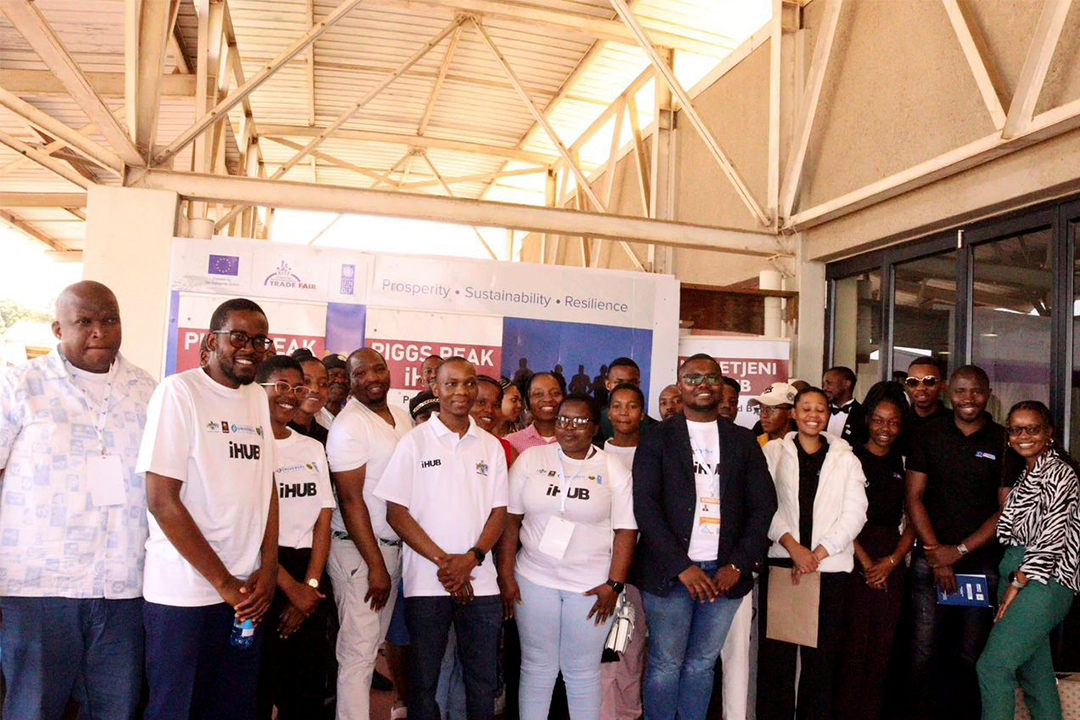
Young entrepreneurs, startups, small and medium enterprises, innovators, development partners and other stakeholders gathered at the UNDP Eswatini Sustainable Centre for the 2026 Business Seminar, where innovation was placed at the centre of Eswatini’s push to unlock opportunities within the green economy.
Hosted by Pigg’s Peak Innovation Hub and Macetjeni Innovation Hub, the seminar was held under the theme: “Innovation for Sustainable Growth: Empowering Youth, SMEs and Startups to Unlock Green Economy Opportunities in Eswatini.”
The gathering formed part of the broader EITF 2026 programme, which is being held under the theme, “Unlocking Green Economy Opportunities for Sustainable Trade.”
But while the national conversation around the green economy often focuses on policy, investment and large-scale projects, Monday’s seminar brought the discussion closer to the people expected to shape the economy of tomorrow.
The spotlight was placed firmly on young people, startups and small businesses — the innovators with ideas but, in many cases, limited access to the finance, mentorship, skills, markets and partnerships needed to transform those ideas into viable enterprises.
Discussions explored green economy opportunities, innovation-led growth, startup development, sustainable enterprise and access to finance, highlighting the practical factors that can determine whether a promising idea remains on paper or develops into a functioning business.
One of the morning’s standout moments was the unveiling of the Imvelo App, a locally developed digital solution that demonstrated how technology can respond to everyday challenges while creating new commercial opportunities.
Its introduction gave the seminar’s message a practical face.
Rather than speaking only about innovation as a future ambition, the Imvelo App showcased what can happen when local ideas are developed into solutions capable of serving real needs.
The programme also featured a Stakeholder Pledge Card Session, during which participating institutions and partners publicly committed themselves to strengthening Eswatini’s innovation ecosystem.
The pledges covered mentorship, skills development, market access, resources, investment and strategic partnerships — areas widely regarded as critical to the growth of young businesses.
The commitments carried an important message: entrepreneurs cannot build a sustainable innovation economy alone.
For ideas to survive beyond the early stages, innovators need support systems that connect them with knowledge, funding, markets and people capable of helping them scale.
This requires meaningful cooperation between innovation hubs, government, the private sector, financiers, development partners, communities and the innovators themselves.
For Pigg’s Peak Innovation Hub and Macetjeni Innovation Hub, the seminar reinforced the importance of creating spaces where ideas can be nurtured, entrepreneurs can be connected and promising solutions can be developed into businesses.
As Eswatini continues to pursue sustainable trade and green economic growth, the message from the 2026 Business Seminar was clear: the country cannot afford to leave its young innovators waiting on the sidelines.
With the right support, local ideas can become viable enterprises, challenges can become opportunities and innovation can become a powerful driver of sustainable growth.
The real test now is to move beyond promises and give Eswatini’s young innovators the tools, partnerships and opportunities to build the green economy they are being asked to lead.
#EITF2026 #GreenEconomy #Innovation #SustainableGrowth #YouthEmpowerment #SMEs #Startups #Eswatini #UNDP #PiggsPeakInnovationHub #MacetjeniInnovationHub #SustainableTrade
(Courtesy Pic)