


BY MBONO MDLULI
MBABANE– International students in Taiwan, including many Emaswati, have received a major boost following a new policy decision by the Government of the Republic of China (Taiwan) that removes the requirement for work permits for certain graduates.
The move is being widely welcomed as a progressive step towards attracting and retaining global talent, while offering greater career opportunities to foreign graduates.
According to Taiwan’s Central News Agency (CNA), the new measure is part of a broader package of reforms introduced by the National Development Council (NDC) to make Taiwan a more attractive destination for foreign professionals. The changes came into effect this month and were officially announced on Tuesday.
Under the new policy, international students who graduate from Taiwanese universities will be allowed to work in Taiwan for up to two years without requiring a work permit. This represents a significant shift from previous regulations, which required graduates to secure employer sponsorship or qualify through a points-based system before being allowed to work legally.

The development is particularly good news for Emaswati studying in Taiwan through programmes such as the International Cooperation and Development Fund (ICDF), as it provides them with greater flexibility to gain valuable international work experience after completing their studies.
In addition to benefiting graduates of Taiwanese universities, the reforms also extend to foreign nationals who have graduated from one of the world’s top 200 universities within the past five years. These individuals are now eligible to apply for a two-year open work permit, further widening Taiwan’s talent pool and strengthening its international competitiveness.
The amendments also introduce incentives aimed at fast-tracking permanent residency. Foreign nationals who obtained undergraduate, master’s or postgraduate degrees in Taiwan can now deduct one, two or three years respectively from the standard five-year residency requirement. Furthermore, certain “foreign specialist professionals” who meet specific income or experience criteria may qualify for permanent residency after just one year in Taiwan.
Another notable improvement is the expanded rights for families of foreign professionals. Spouses of foreign specialist professionals are now permitted to work freely in Taiwan without the need for employer-sponsored work permits, promoting family stability and long-term settlement.
The reforms also enhance social protection for foreign professionals. Those without permanent residency will now be able to join Taiwan’s labour pension system, while foreign permanent residents will gain access to the country’s employment insurance system. In addition, access to disability and long-term care services will be extended to eligible foreign permanent residents from 30 June.
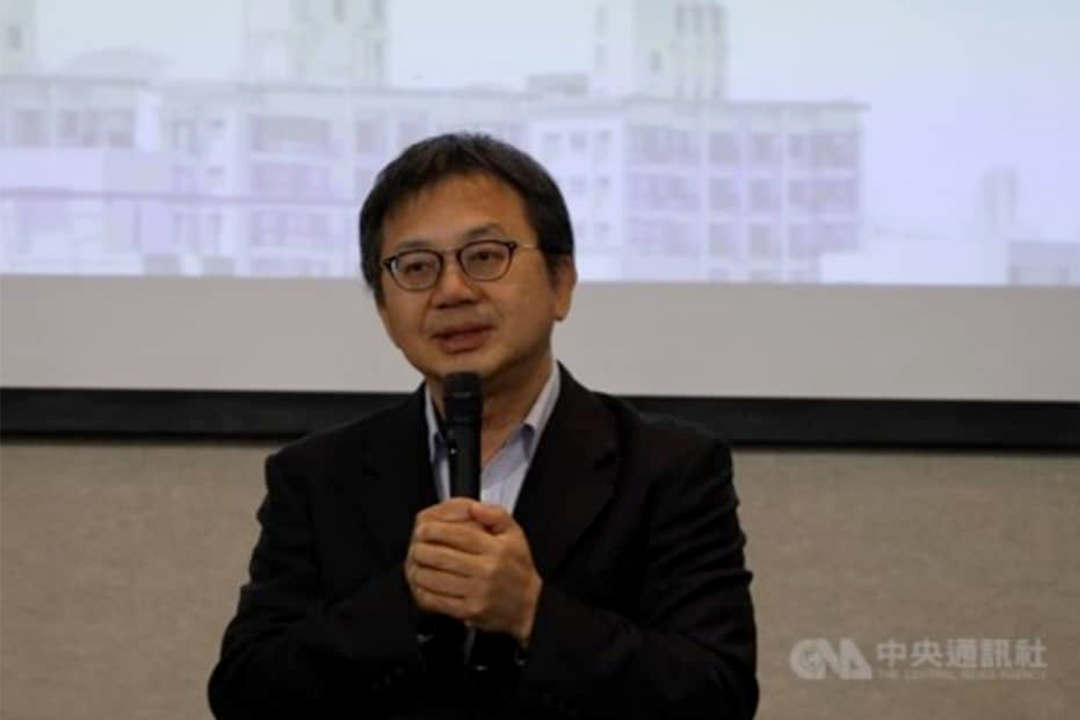
Speaking at a media briefing in Taipei, NDC Deputy Minister Jan Fang-guan said the amendments were designed to provide foreign nationals with more convenient options in visas, residency, employment and taxation. He noted that since the Act for the Recruitment and Employment of Foreign Professionals was first implemented in 2018, the number of foreign professionals in Taiwan has increased significantly from about 30,000 to nearly 80,000.
“These amendments are intended to support foreign professionals throughout their careers, family lives and retirement, ensuring a pleasant working environment and a happy life in Taiwan,” Jan said.
Overall, the new measures signal Taiwan’s strong commitment to international education, skills development and global talent mobility, creating promising opportunities for emaSwati and other international students seeking to build their futures abroad.
(Courtesy Pic)