


BY GCWALISILE MHLABANE
SIDVOKODVO – The Eswatini Electricity Company (EEC) is urging Emaswati to adopt safe house wiring practices and use approved electrical materials to minimise electrical faults that can result in house fires, serious injuries and loss of life.
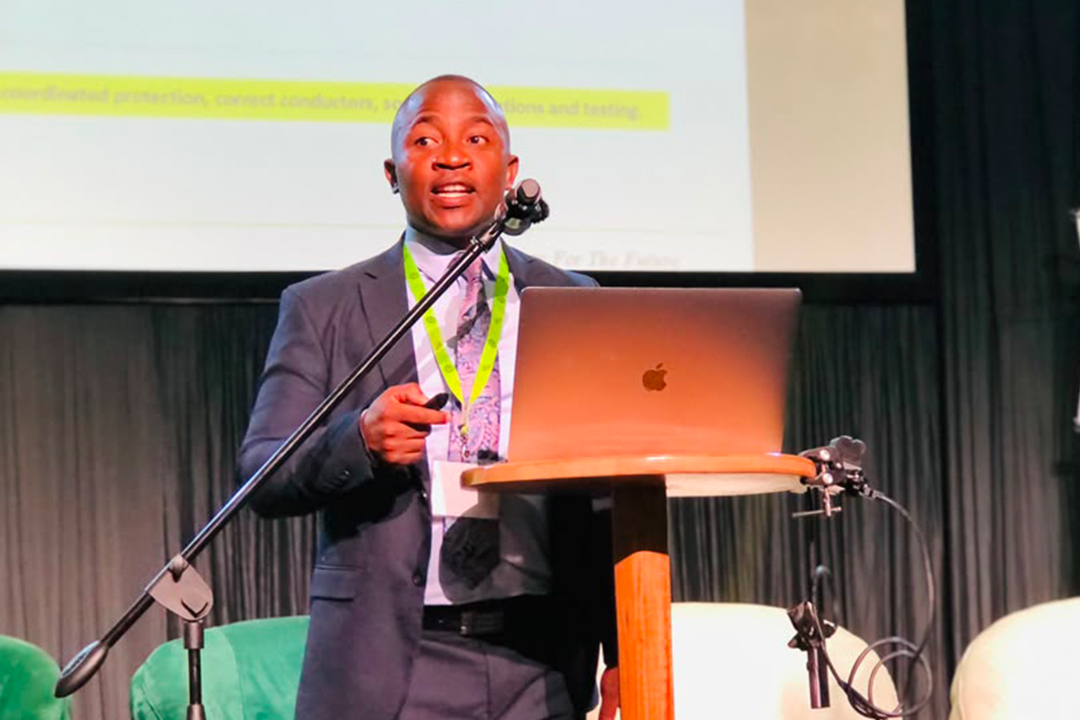
The warning was issued at the EEC Safety Indaba 2026, held on September 17, 2026 at The Luke Commission Event Centre in Sidvokodvo, where EEC Engineer Mbuyiswa Mthethwa cautioned households about the dangers of cheap electrical appliances, poor conductors and unverified electrical installations.
Mthethwa said electrical faults in households can have serious consequences, including fires, injuries and death, particularly where poor-quality materials and unsafe wiring are involved.
“Your cheap appliances and poor conductors are the cause of electrical faults in your household,” Mthethwa warned.

He urged Emaswati to have their household wiring routinely inspected by qualified and certified electricians to identify potential hazards before they result in an electrical accident.
Mthethwa specifically warned against cheap stoves, poor conductors and unverified air conditioners, saying these can contribute to electrical faults when they are of poor quality or improperly installed.
He said homeowners should not compromise electrical safety in an attempt to save money, as the consequences of faulty installations can be severe.
The call forms part of EEC’s implementation of its updated Housewiring and Overhead Service Connection Standard, which requires customers to transition to safer and compliant household electrical installations.
The updated standard aligns with the national framework for low-voltage electrical installations and is intended to strengthen safety in homes by addressing risks associated with poor wiring and unsafe electrical connections.
One of the major hazards the standard seeks to address is electrical tracking, where electricity can travel along an unintended path and energise metal structures, including corrugated iron and other metal roofing sheets.
This can expose household members to dangerous and potentially fatal electric shocks when they come into contact with affected structures.
The new requirements therefore place greater emphasis on preventing electrical hazards at the installation stage.
The standard focuses on specific structural requirements, appropriate cable sizes and the verification of contractors undertaking electrical work.
Mthethwa urged homeowners to ensure that electrical work is carried out by qualified and certified electricians who understand the required safety standards.
He said using unverified contractors can expose households to unsafe installations that may later develop into electrical faults.
The engineer also cautioned households against buying electrical appliances simply because they are cheaper.
Poor-quality appliances can become a safety risk when they fail to meet required standards or are improperly installed and connected to a household electrical system.
Mthethwa said householders should also pay attention to the condition of existing wiring and electrical equipment.
Regular inspections can help identify damaged cables, faulty connections, overloaded circuits and other problems before they develop into serious incidents.
The updated housewiring standard also places emphasis on the correct use of cable sizes and other compliant components to improve the safety of electrical installations.
For households, electrical safety should therefore be considered whenever wiring is installed, appliances are purchased or electrical repairs are carried out.
The EEC’s warning comes with a clear reminder that an electrical fault is not simply a technical problem.
When left unattended or caused by unsafe equipment and wiring, it can result in a house fire, serious injury or loss of life.
Mthethwa therefore encouraged Emaswati to take preventive measures and ensure that their homes comply with the required electrical safety standards.
The message formed part of the wider discussions at the EEC Safety Indaba, held under the theme “Anchoring All Business to Safety.”
The Indaba brought together industry leaders, safety professionals, employees, contractors and other stakeholders to discuss how safety can become part of everyday decisions.
For EEC, safer household wiring is an important step towards reducing preventable electrical incidents and protecting families and property.
Emaswati are therefore encouraged to use qualified electricians, approved electrical materials and compliant appliances, while ensuring household wiring is inspected regularly for potential hazards.
#EECSafetyIndaba2026 #EswatiniElectricityCompany #SafetyIndaba #SafetyFirst #SaferEswatini #ElectricalSafety #SafeHouseWiring #WorkplaceSafety #Eswatini #TLCEventsCentre #Sidvokodvo