



BY NOXOLO DLAMINI
PIGG’S PEAK— The Ministry of Economic Planning and Development (MEPD) is strengthening its strategic direction as it reviews its performance, mandate and priorities in preparation for the next planning period.
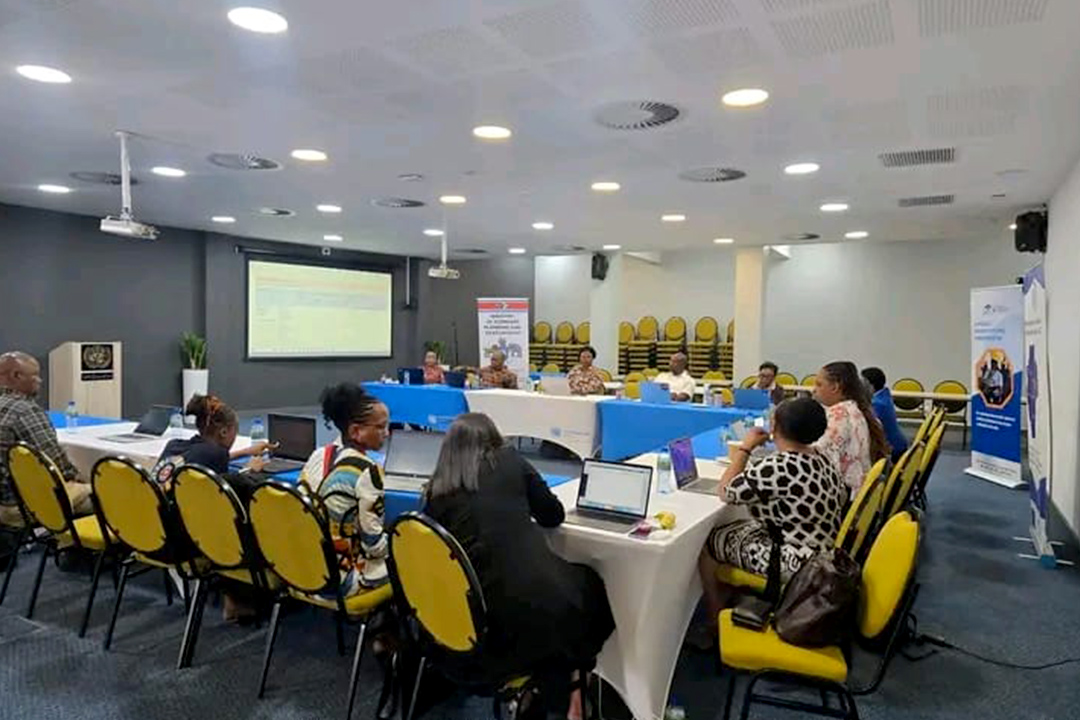
The Ministry recently brought together its officers and consultants for a strategic planning workshop aimed at assessing the implementation of the previous Strategic Plan while identifying priorities and approaches that will guide the Ministry’s work going forward.
Officially opening the workshop last week, MEPD Principal Secretary Thabsile Mlangeni emphasised the importance of strategic planning in ensuring that the Ministry remains responsive to Eswatini’s changing development needs.
Mlangeni stressed the need for the Ministry to critically examine how it engages with key stakeholders, including Government ministries and departments, the private sector, development partners and other actors involved in the country’s development agenda.
REVIEWING THE PAST, SHAPING THE FUTURE
The workshop provided an opportunity for participants to take stock of the previous Strategic Plan and assess whether its priorities remain relevant in the face of emerging national, regional and global developments.
Officers and consultants engaged in discussions around the Ministry’s institutional performance, strategic positioning and areas that may require strengthening, adjustment or a fresh approach.
A major focus of the workshop was the proposed Key Performance Areas (KPAs), which are expected to provide a framework for organising the Ministry’s strategic objectives.
Participants examined the meaning and relevance of the proposed KPAs and considered how they could effectively reflect the Ministry’s mandate and areas of responsibility.
Discussions also explored how strategic objectives could be translated into measurable results through appropriate Key Performance Indicators (KPIs).
The emphasis was on developing a Strategic Plan that is results-oriented, measurable and capable of clearly demonstrating the Ministry’s contribution to national development.
BUILDING AN EFFECTIVE INSTITUTION
The strategic analysis also formed part of the discussions, with participants reflecting on the Ministry’s strengths, weaknesses, opportunities and external factors that could influence its ability to deliver on its mandate.
The workshop highlighted that effective strategic planning requires more than identifying internal priorities. It also requires the Ministry to understand its role within the wider Government system and how its work contributes to national development planning, policy coordination, resource mobilisation, implementation and evidence-based decision-making.
Participants further considered the institutional capabilities required to strengthen the Ministry’s performance, including human resources, technology, systems, research and data capabilities, partnerships, coordination mechanisms and monitoring and performance management.
TOWARDS A RESULTS-DRIVEN FUTURE
As the strategic planning process continues, MEPD is expected to engage further with its officers and relevant stakeholders to refine the emerging priorities.
The process seeks to produce a practical and coherent Strategic Plan that is aligned with Eswatini’s broader development aspirations while providing clear direction on how the Ministry can effectively contribute to national development.
The consultations therefore mark an important step towards ensuring that MEPD is strategically positioned to respond to the country’s evolving economic and development priorities.
#MEPD #EconomicPlanning #StrategicPlanning #Eswatini #NationalDevelopment #KeyPerformanceAreas #KPIs #EconomicDevelopment #GovernmentEswatini #DevelopmentPlanning #PolicyCoordination #SustainableDevelopment
(Courtesy Pic)