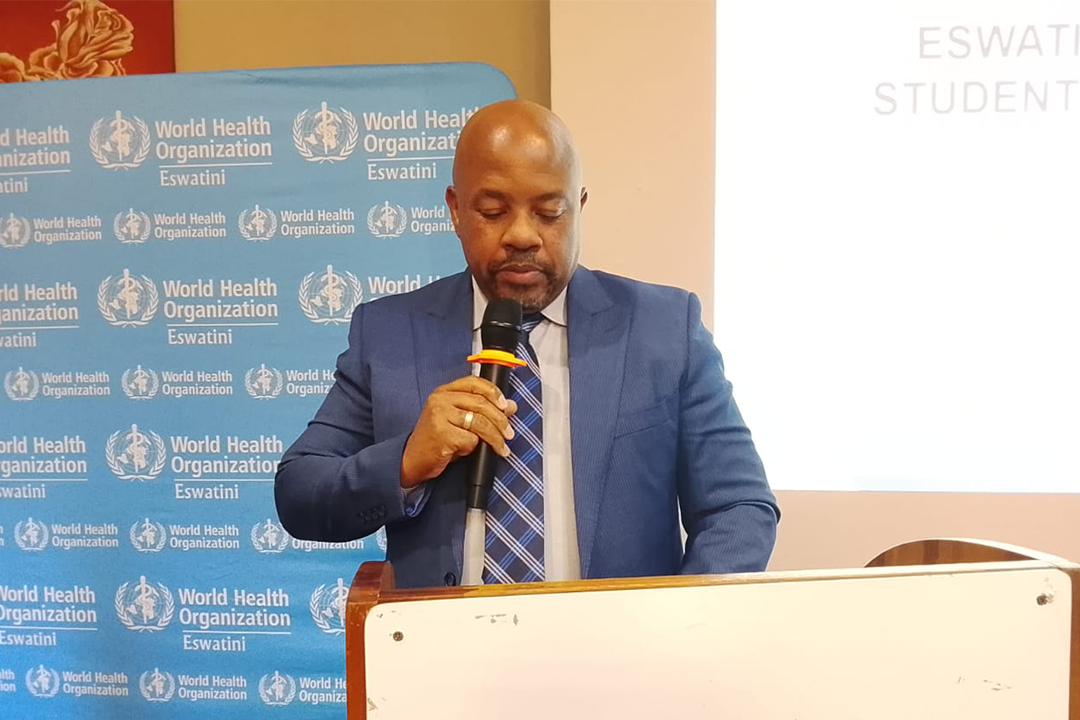



- Minister linked worrying trend to changing lifestyles, unhealthy diets and insufficient physical activity among young people
BY THEMBA ZWANE
MBABANE – Minister of Health Mduduzi Matsebula has called for urgent and coordinated action to address the growing health risks facing Eswatini’s school-going children after a new study revealed that 22.1 per cent of learners are overweight or obese.
Matsebula made the call this morning at Mountain View during the dissemination of findings from the Eswatini Global School Health Survey (GSHS) and the Global School Health Policies and Practices Survey (G-SHPPS).
The Minister said the findings should serve as a wake-up call to Government, schools, parents, communities and development partners, warning that unhealthy behaviours established during adolescence could translate into a heavier burden of non-communicable diseases in adulthood.
According to the GSHS findings, the proportion of overweight and obese learners has increased compared with the previous survey conducted in 2013, with girls carrying a particularly higher burden.

Matsebula linked the worrying trend to changing lifestyles, unhealthy diets and insufficient physical activity among young people.
“Behind these numbers lies a future increase in diabetes, hypertension, heart disease and other non-communicable diseases unless we intervene early,” the Minister warned.
The study found that 85.3 per cent of learners are not achieving the recommended levels of daily physical activity, meaning more than eight out of every 10 pupils are insufficiently active.
Matsebula said physical inactivity during adolescence is a major risk factor for obesity, diabetes, cardiovascular disease and poor mental health later in life.
He consequently called for physical activity to become a shared responsibility involving schools, families and communities.
The Minister also raised concern over the dietary habits of learners, noting that too many children consume sugar-sweetened beverages and energy-dense foods, while too few consume adequate amounts of fruits and vegetables.
He said these habits are being established at an early age and could continue into adulthood if not addressed.
TOBACCO AND VAPING
The survey also paints a concerning picture regarding tobacco and nicotine use among adolescents.
According to the findings, 12.2 per cent of learners currently use tobacco products, while 16.7 per cent report using electronic cigarettes or vaping products.
Matsebula described the emergence of vaping among adolescents as particularly concerning because of its potential to expose young people to nicotine addiction and increase the likelihood of lifelong tobacco use.
He said tobacco use among learners has shown little improvement since the 2013 survey, despite years of awareness campaigns.
“This demonstrates that education alone is not enough,” Matsebula said, calling for stronger implementation of tobacco-control policies and legislation, protection of children from tobacco marketing and measures to address the growing use of new nicotine products.
Alcohol consumption is another major concern, with 23.6 per cent of learners reporting current alcohol use.
The Minister said this translates to nearly one in every four adolescents being exposed to behaviour associated with risks including injury, violence, poor academic performance, unsafe sexual behaviour and future substance dependence.
MENTAL HEALTH, BULLYING
Matsebula further highlighted mental health as an area requiring urgent attention.
He said many young people reported persistent feelings of sadness, hopelessness, loneliness and anxiety.
“These are not merely emotional challenges,” he said, noting that mental health problems can affect concentration, learning outcomes and relationships and, in severe cases, may lead to self-harm or suicide.
He said mental health must therefore become an integral component of the country’s school health agenda rather than being treated as an afterthought.
The survey also found that bullying, physical violence and cyberbullying remain concerns in schools.
Although some indicators have improved since 2013, Matsebula said bullying remains unacceptably common and continues to affect the emotional wellbeing, confidence and educational performance of learners.
“Every learner deserves to attend a school where they feel respected, protected and supported,” he said.
CALL FOR COLLECTIVE ACTION
Despite the concerning findings, Matsebula said the results should not discourage the country, but should instead provide evidence for decisive action.
He said the G-SHPPS findings complement the student survey by identifying opportunities to strengthen school health programmes through comprehensive policies, healthy school environments, nutritious school meals, quality health education, access to health services, mental health support, teacher capacity and stronger collaboration between the health and education sectors.
Matsebula said Government would continue strengthening the School Health Programme, promoting healthy nutrition and physical activity in schools, intensifying tobacco and alcohol prevention programmes, strengthening mental health promotion and psychosocial support, and ensuring that policies protecting children translate into meaningful action in schools.
However, he stressed that Government could not tackle the challenges alone.
He called on development partners, United Nations agencies, civil society organisations, professional bodies, researchers, school administrators, teachers, parents and learners to turn the survey findings into concrete interventions.
“The future health of our nation is being shaped in our classrooms today,” Matsebula said.
He added that investing in healthier schools would help reduce the future burden of non-communicable diseases, improve educational outcomes, strengthen the economy and build a healthier and more productive Eswatini.
The Minister said the dissemination meeting should therefore mark the beginning of renewed commitment, stronger partnerships and accelerated action to improve the health and wellbeing of children across the Kingdom.
#Eswatini #MinistryOfHealth #SchoolHealth #ChildHealth #Obesity #Overweight #AdolescentHealth #PhysicalActivity #MentalHealth #TobaccoControl #Vaping #Alcohol #GSHS #GSHPPS #NonCommunicableDiseases