


BY MBONO MDLULI
PIGG’S PEAK– Minister of Tourism and Environmental Affairs Jane Mkhonta-Simelane has urged stakeholders in the tourism sector to safeguard and preserve Eswatini’s cultural heritage, describing it as the country’s strongest attraction for visitors.
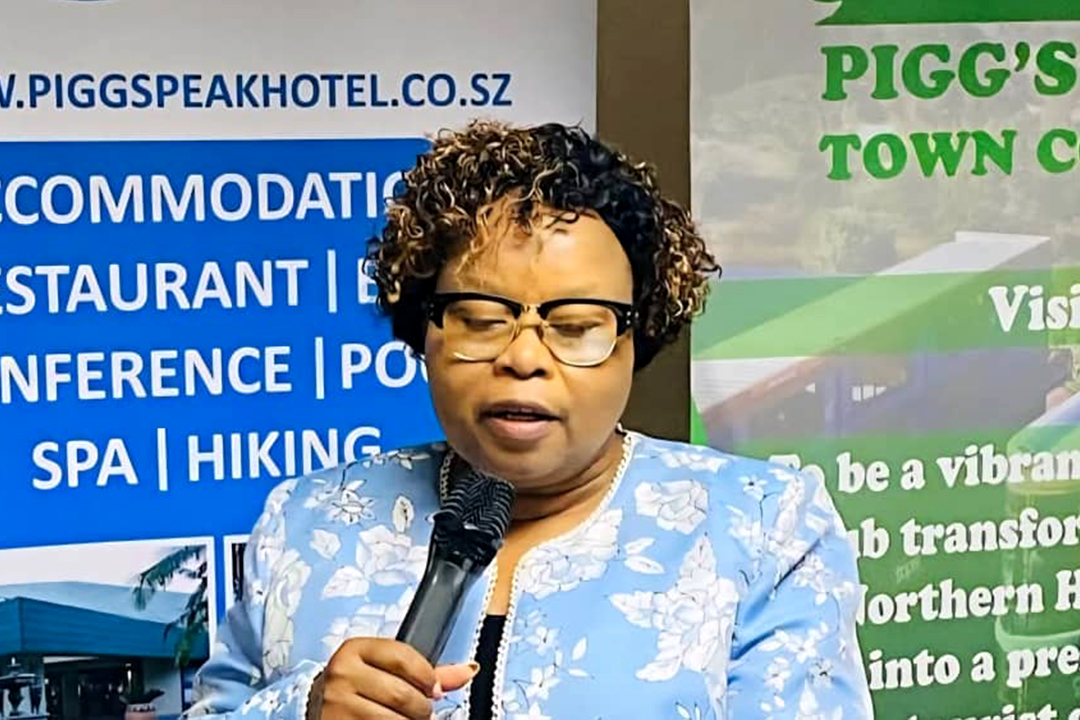
She made these remarks while delivering a keynote address at the 3rd Responsible Tourism Conference, currently under way at Pigg’s Peak Hotel. The event has brought together key players from across the tourism industry to discuss strategies for sustainable growth and development.
Culture identified as key tourism asset
Mkhonta-Simelane emphasised that Eswatini’s rich traditions and cultural identity remain central to its appeal as a tourism destination. She noted that preserving these unique elements is essential not only for maintaining authenticity but also for ensuring long-term benefits for communities.

“Eswatini’s culture is our biggest drawcard. It is what sets us apart and continues to attract visitors seeking authentic African experiences,” she said.
The minister stressed that protecting cultural heritage should be a shared responsibility among government, private sector stakeholders and local communities.
Promoting sustainable tourism practices
The conference, now in its third edition, focuses on responsible tourism practices that balance economic growth with environmental conservation and cultural preservation. Mkhonta-Simelane highlighted that sustainable tourism is critical in ensuring that development does not come at the expense of the country’s natural and cultural assets.
She encouraged industry players to adopt practices that support conservation efforts while also creating meaningful economic opportunities for local communities.
“A united approach in safeguarding our culture and environment will strengthen our tourism offering and ensure that future generations continue to benefit from this vital sector,” she said.
Positioning Eswatini on the global stage
Mkhonta-Simelane further noted that collaboration across the tourism value chain is key to positioning Eswatini as a competitive destination internationally. She called on stakeholders to work together in marketing the country’s unique offerings and enhancing visitor experiences.
By embracing sustainable tourism principles and protecting its cultural heritage, Eswatini has the potential to stand out in an increasingly competitive global tourism market, she added.
The ongoing conference is expected to generate actionable insights and partnerships that will contribute to the growth and resilience of the tourism sector, reinforcing its role as a key driver of economic development in the country.
(Courtesy Pic)