


…MPs raise concerns over delays in IFMIS, FINCLUDE and e-Government procurement initiatives
BY MBONO MDLULI
LOBAMBA– The Public Accounts Committee (PAC) has expressed concern over the under-utilisation of more than E41.5 million earmarked for three key projects under the Ministry of Finance, including the Integrated Financial Management Information System (IFMIS), which Parliament considers critical to improving accountability in Government.
The concerns were raised on Monday, June 8, 2026, when the Ministry of Finance appeared before the PAC in the House of Assembly.
According to findings presented to the committee by Auditor General (AG) Timothy Matsebula, the three projects recorded significant under-expenditure despite receiving budget allocations and, in some cases, substantial releases of funds.

IFMIS Records Lowest Spending
The project that attracted the most scrutiny was the installation of the Integrated Financial Management Information System (IFMIS).
The Auditor General’s findings showed that E38.8 million had been appropriated for the project and the funds were released. However, only E1.3 million was spent, leaving E37.5 million unutilised.
This translated into an under-expenditure rate of 96.4 per cent.
Committee members described the situation as worrying given the importance of IFMIS in improving transparency, accountability and financial management within Government.
FINCLUDE Also Under Spotlight
The Financial Inclusion Cluster Development Project (FINCLUDE) also came under scrutiny.
The project was allocated E40 million, of which E21.9 million was released. However, only E18.4 million was spent, leaving E3.4 million unutilised.
The project is intended to improve financial inclusion and expand access to financial services across the country.
Procurement System Project Delayed
The third project examined by the PAC was the implementation of the Eswatini Electronic Government Procurement System.
An amount of E18.8 million had been appropriated for the initiative. Of that amount, E1.1 million was released and only E500 000 was spent.
Members of the committee said the slow implementation of the project was concerning because the electronic procurement system is expected to improve efficiency, transparency and accountability in Government procurement processes.
Ministry Explains Delays
Responding to the concerns, Ministry of Finance Principal Secretary (PS) Vusi Dlamini attributed the delays to a number of operational and technical challenges.
Regarding IFMIS, Dlamini said delays in processing payments to consultants affected the implementation schedule.
“The IFMIS project experienced delays relating to consultant payments, which affected progress,” he said.
On the electronic procurement system, Dlamini explained that challenges arose in ensuring the correct sequencing of activities and coding requirements before implementation could proceed.
“We had to ensure that the proper sequence and coding were in place before moving forward. However, we have now implemented the project and are already seeing value for money as we continue digitalising our operations,” he said.
Rwanda Team Helping To Accelerate FINCLUDE
On FINCLUDE, Dlamini said delays were partly caused by the late commencement of project activities and delays in submissions from some project partners.
He said significant progress had nevertheless been made.
“A lot of ground has been covered and we believe the project will be fully implemented within the next four years,” he said.
The PS revealed that experts from Rwanda involved in supporting the project had also expressed concern about the pace of implementation and were willing to assist in accelerating progress.
According to Dlamini, nine of the 18 planned project modules have already been delivered.
MPs Question Value for Money
Matsanjeni South MP Hon. Sabelo Ndlangamandla expressed strong reservations about FINCLUDE, arguing that the project was not delivering tangible benefits to ordinary citizens.
He said he had consulted fellow MPs regarding the project’s impact and found little evidence that communities were benefiting from it.
Ndlangamandla alleged that the initiative appeared to be benefiting those involved in its implementation more than the intended beneficiaries.
“I do not see value for money in this project. It appears as if it has become a cash cow for some people working on it,” he said.
He further alleged that much of the project’s activity appeared to revolve around workshops and meetings rather than practical outcomes on the ground.
Zwane Says Benefits Not Visible
PAC Deputy Chairperson Hon. Manzi Vincent Zwane echoed concerns regarding FINCLUDE.
He said the project’s impact was not visible and questioned whether the expenditure incurred was producing meaningful results.
“FINCLUDE does not appear to be working. When one looks at it, there is very little to show for the money spent,” said Zwane.
He indicated that the committee expected clearer evidence of achievements and measurable outcomes before it could be satisfied that public funds were being used effectively.
PAC Demands Accountability
The PAC maintained that while delays can occur in project implementation, Government ministries must ensure that allocated funds are utilised efficiently and that projects deliver value for money.
Committee members stressed that Parliament approves budgets with the expectation that projects will be implemented and produce tangible benefits for citizens.
The Ministry of Finance is expected to provide further details on the progress of the projects as the PAC continues its examination of Government expenditure and project implementation.
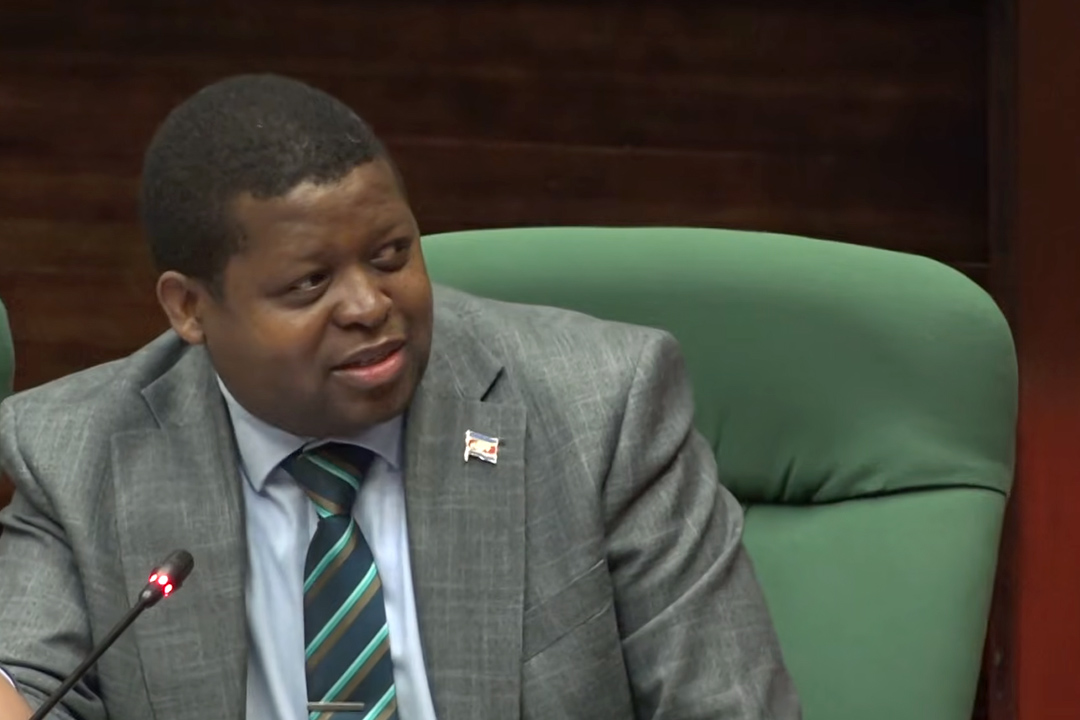
(Courtesy Pic)