



…Oversight committee calls for stronger planning and faster deployment of health resources
BY MBONO MDLULI
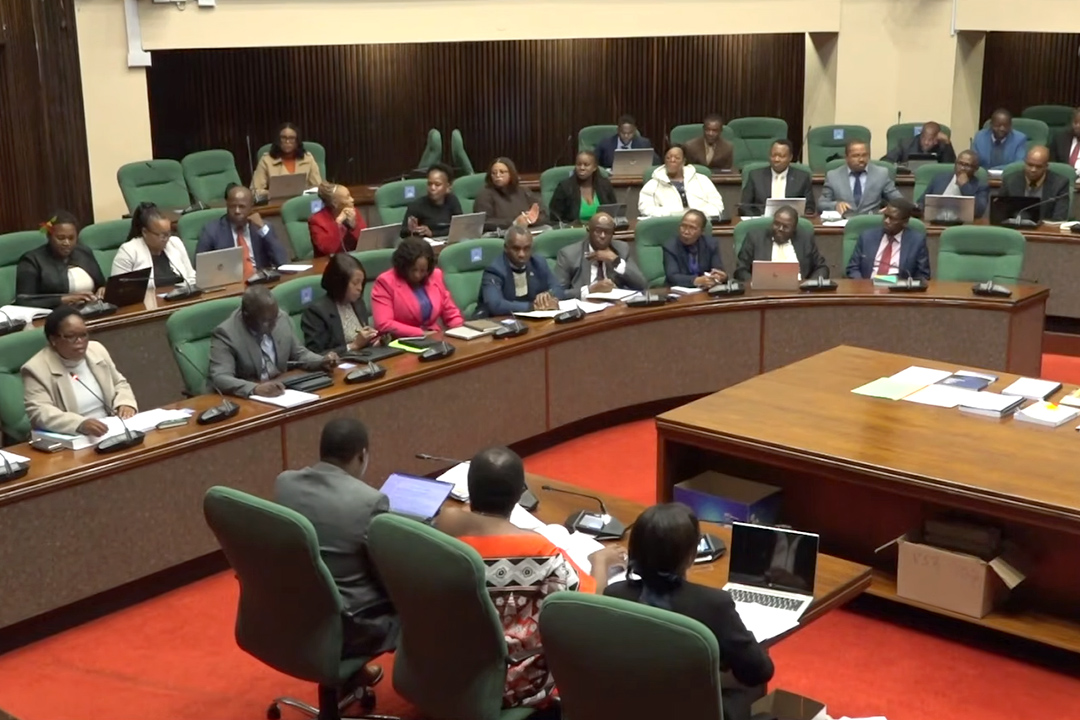
MBABANE – Parliament’s Public Accounts Committee (PAC) has reinforced its commitment to improving accountability and efficiency in the use of public funds by calling for stronger planning and management of resources allocated to malaria programmes.
The call follows a review of findings by the Auditor General relating to a grant transfer of E1 347 800 made to the National Emergency Response Council on HIV/AIDS (NERCHA) on April 14, 2023. The funds were intended for the procurement of malaria drugs and other malaria-related commodities aimed at supporting the country’s ongoing fight against the disease.
According to the Auditor General, the funds had not been utilised at the time of the audit conducted on April 1, 2025. Auditors also noted that no documented implementation plan, timeline or clear purpose for the use of the funds had been provided for review. In addition, a Memorandum of Understanding governing the transfer of the malaria funds between the Ministry of Health and NERCHA was not made available despite requests.

Responding to the findings, the Ministry of Health’s Controlling Officer explained that the funds had initially been insufficient for the intended procurement requirements. As a result, the funds were eventually utilised during the following financial year once implementation arrangements had been finalised.
While acknowledging the explanation, the PAC emphasised the importance of ensuring that public resources are used in a timely manner, particularly in critical sectors such as health where delayed implementation can affect service delivery.
The Committee urged the Ministry to adopt more proactive financial planning measures and to reallocate funds whenever implementation delays make immediate utilisation impossible.
The recommendation forms part of broader efforts by Parliament to strengthen public financial management and ensure that government resources achieve maximum impact for citizens.
The Committee noted that robust planning, clear implementation frameworks and regular monitoring would help ensure that resources allocated to disease prevention and treatment programmes are deployed efficiently.
Observers say the intervention demonstrates the strength of Eswatini’s accountability systems, with Parliament actively monitoring public expenditure and encouraging institutions to continuously improve financial management practices.
As the country continues to prioritise public health and disease prevention, the PAC’s recommendations are expected to contribute to more effective utilisation of resources, improved service delivery and stronger outcomes for communities across the country.


