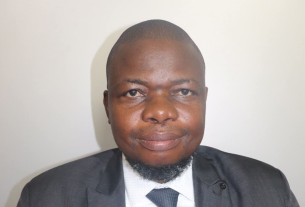
BY MBONO MDLULI
MBABANE – Prime Minister Russell Mmiso Dlamini says the much-anticipated Grand Plan for National Transformation must undergo broad consultation with key stakeholders before it can be implemented.
Addressing senators during a strategic engagement session held on August 6, 2025, at Pigg’s Peak Hotel, the Prime Minister emphasised that collective input from various sectors of society is vital to ensure the Grand Plan accurately reflects the aspirations voiced by His Majesty King Mswati III and Emaswati during the 2023 Sibaya National Dialogue.
“The Grand Plan originates from Sibaya,” said the PM. “It was during this national dialogue, summoned by His Majesty, where Emaswati presented their ideas and concerns. Government has since begun working on these issues, knowing full well that we are carrying a command from the King to ensure speedy service delivery, guided by the NKWE Command.”
He explained that the plan would be drafted and refined before being presented to Their Majesties for approval. Only then will it be rolled out to the broader public. He urged senators to participate meaningfully in the process and ensure the voices of the people are not lost in translation.

The Senate President, speaking at the same event, assured the nation that Parliament would ensure the plan is implemented effectively. She stated that through legislative refinement, budget scrutiny, and oversight, Parliament would transform the Grand Plan “from paper to practice” and “vision to impact.”
The Grand Plan, introduced by the Prime Minister during Sibaya at Ludzidzini Royal Residence in 2023, is a 30-year national transformation strategy aimed at positioning Eswatini for long-term development. It encapsulates His Majesty’s vision of a developed kingdom and the collective aspirations of the people.
Her sentiments echoed those of Speaker of the House of Assembly Jabulani Mabuza, who spoke during a similar engagement with MPs on August 4, 2025, also held at Pigg’s Peak Hotel.
Mabuza called on MPs to return to their constituencies and consult the electorate. “It is important that MPs go back to the people who elected them and seek further guidance,” he said. “Their insights will empower us to monitor and guide implementation in a way that serves the national interest.”
He added that the Grand Plan provides Parliament with a framework to further its own decentralisation goals, saying, “Parliament must go to the people. This plan gives us a timely opportunity to contribute meaningfully from the grassroots level.”
While the full contents of the Grand Plan have not yet been made public, issues expected to be covered—based on submissions at Sibaya—include:
- Employment: With youth unemployment estimated at 48%, or around 400 000 people, citizens demanded focused job creation efforts.
- Corruption: Emaswati called for firm action against corruption. In response, the PM set up the Anti-Corruption Task Team, working with the ACC, DPP, and REPS, and reporting directly to his office.
- Education: Citizens demanded a complete overhaul of the current education system, calling for curriculum reform that prioritises vocational and entrepreneurial skills from primary to tertiary level.
- Service Delivery: There was widespread dissatisfaction with slow or ineffective public service delivery both at national offices and local levels.
- Sports and Arts: Concerns were raised over the lack of investment in sports and creative industries. Citizens cited inadequate stadiums and facilities and called for these sectors to be prioritised as potential sources of employment and national pride.
- Communication: Emaswati want improved communication and they suggest that access to faster Internet should be affordable and accessable in every corner of the country.
The PM reaffirmed his administration’s commitment to transparency and citizen participation as the plan moves closer to finalisation.