


- Government brings services closer to communities
BY MBONO MDLULI
MBABANE – In a move aimed at improving service delivery and convenience, government has rolled out commerce-related tax services across post offices nationwide, allowing emaSwati to access essential services closer to their communities.
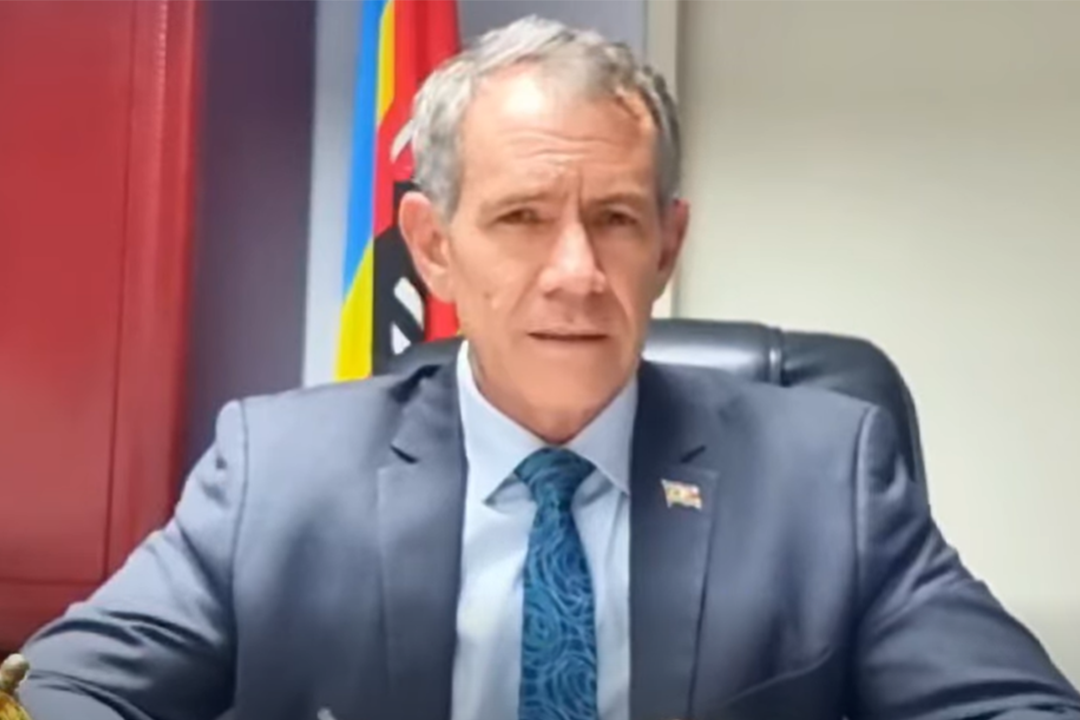
The announcement was made by Minister of Finance Neal Rijkenberg during the #FinanceInFocus platform on Thursday, 31 April 2026, where he highlighted ongoing efforts to decentralise government services and enhance efficiency.
Through this initiative, members of the public can now process commerce-related tax payments, including trading licences and other services linked to the Ministry of Commerce, at any post office across the country.
Enhancing accessibility and convenience

Rijkenberg emphasised that the development is part of a broader strategy to bring government services closer to the people, reducing the need for travel to major urban centres.
“All post offices in the country… are now open to be able to do all of the tax payments for commerce things,” he said.
The minister noted that the move is expected to significantly improve productivity, as citizens will be able to complete essential administrative tasks within their local areas, saving both time and resources.
“We are trying to decentralise government and bring services closer to the people… so one can now do these things from the local post office,” he added.
Plans to expand services further
Government has indicated that this is only the beginning of a broader transformation of post offices into multi-service centres. Plans are already underway to introduce additional services, including vehicle licensing and other government-related transactions.
“As we continue to go, we’re going to be rolling out more and more facilities available through the post office,” Rijkenberg said.
This expansion is expected to strengthen the role of post offices as accessible service hubs, particularly in rural and underserved areas.
Economic optimism following ICC launch
The announcement comes amid growing optimism about the country’s economic outlook, following the recent opening of the Ezulwini International Convention Centre (ICC).
Rijkenberg described the ICC as a world-class facility with strong potential to boost tourism, attract conferences and stimulate economic activity.
“We believe it’s now going to start paying back… increasing tourism and bringing more conferences into the country,” he said.
He added that the facility positions Eswatini to compete with other destinations on the continent, potentially unlocking new revenue streams and investment opportunities.
Measured approach to sugar tax considerations
The minister also addressed ongoing discussions around the possible introduction of a sugar tax, noting that government is approaching the matter cautiously due to the importance of the sugar industry to the national economy.
“We have been considering sugar tax for a while… but sugar is our biggest industry as a country,” he explained.
Instead of a blanket tax, government is exploring targeted measures that focus on excessive sugar consumption, particularly in products such as sugary drinks and energy beverages.
Rijkenberg stressed that any decision will follow due process, including parliamentary approval, before implementation.
Confidence in financial systems and compliance
Addressing concerns about financial integrity, the minister reassured the public that Eswatini remains proactive in combating illicit financial activities.
He highlighted recent successes in identifying and addressing fraudulent practices, noting that early detection reflects the strength of the country’s regulatory systems.
“The fact that we have caught these things out… proves that we are doing the right thing,” he said.
Rijkenberg added that such proactive measures position Eswatini favourably in terms of international compliance standards.
Government managing external economic pressures
The minister also spoke about global developments affecting the local economy, particularly rising fuel prices linked to geopolitical tensions in the Strait of Hormuz.
He assured emaSwati that government has put measures in place to cushion the impact, including the use of a fuel stabilisation fund that could provide relief for up to a year under current conditions.
In addition, government is monitoring rising fertiliser costs, with efforts underway to secure support from the African Development Bank to safeguard agricultural production.
Driving inclusive growth and service delivery
The introduction of commerce tax services at post offices marks a significant step towards improving accessibility, efficiency and inclusivity in public service delivery.
By decentralising services and reducing barriers to access, government aims to empower citizens, support business operations and stimulate economic growth across the country.
“This should really help people not have to travel too far… and help the economy grow quicker,” Rijkenberg said.
The initiative reflects a continued commitment to modernising public services and ensuring that development benefits reach all emaSwati, regardless of location.