


BY THEMBA ZWANE
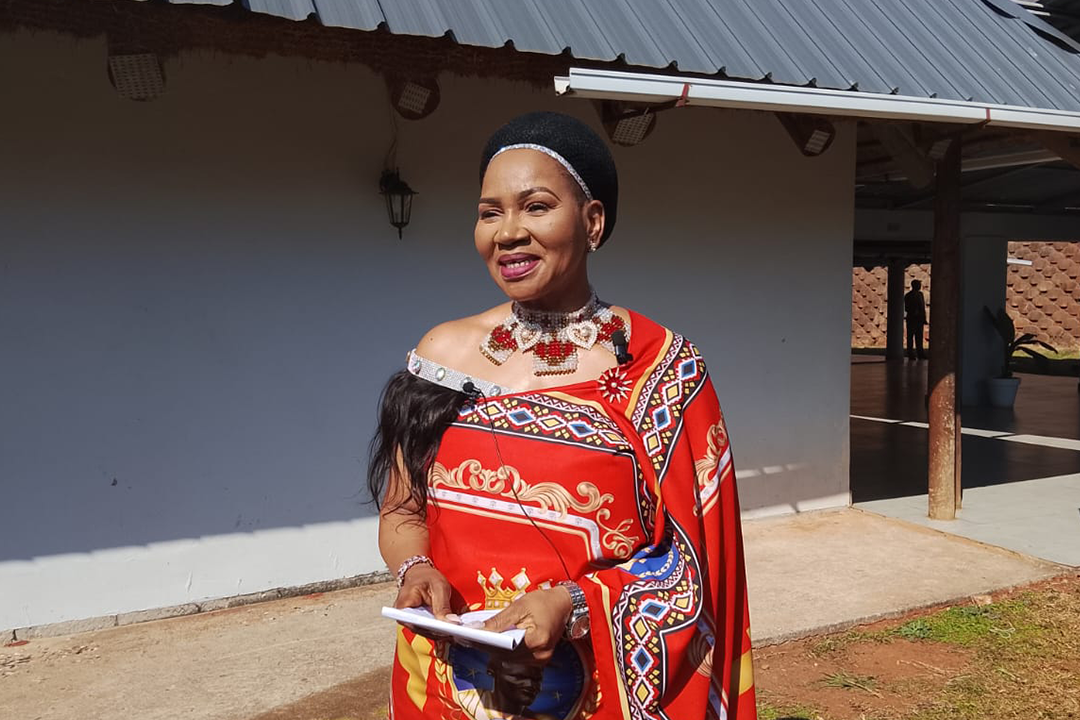
EZULWINI – Senate President Pastor Lindiwe Dlamini has called for convicted rapists to be subjected to a compulsory medical procedure that permanently eliminates their ability to achieve an erection, arguing that stronger punitive measures are needed to end the scourge of sexual violence in Eswatini.
Speaking to journalists after the conclusion of the national consultations on the ratification of the African Union Convention on Ending Violence Against Women and Girls at SibaneSami Hotel on Thursday, Dlamini said while Eswatini already has laws protecting women and children, more decisive action was needed to deter offenders.
She said the African Union convention strengthens existing national legislation, including the Sexual Offences and Domestic Violence (SODV) Act of 2018, policies protecting women and girls, and constitutional provisions safeguarding their rights.
“The convention speaks directly to the welfare of the girl child and women. This is important because it protects vulnerable girls and women in our communities,” she said.

Dlamini urged members of the public to report cases of abuse instead of remaining silent when neighbours or relatives become victims.
“We must stop keeping quiet. Communities must report abuse whenever they witness it,” she said.
While acknowledging that suspects are presumed innocent until proven guilty, Dlamini said once medical evidence and all other evidence prove guilt beyond doubt, perpetrators should face the full force of the law.
She further suggested that convicted rapists should be denied bail and called for Parliament to consider introducing compulsory medical intervention for those found guilty.
“If it were up to me, those found guilty must undergo an erection-killing procedure. It is something Parliament should consider and something the law must consider if we are serious about stopping these evil acts for good,” she said.
Dlamini was referring to a medical procedure known as cavernous nerve neurotomy, saying it should be explored as a deterrent against repeat sexual offenders.
Her remarks came as lawmakers and stakeholders concluded deliberations on Eswatini’s proposed ratification of the African Union Convention on Ending Violence Against Women and Girls.
Meanwhile, Deputy Prime Minister Thulisile Dladla told participants that Eswatini was ready to move towards ratifying the convention, citing significant progress made in strengthening the country’s response to gender-based violence.
She said government had established a national GBV coordination mechanism bringing together multiple stakeholders to coordinate prevention and response efforts.
The country has also adopted a National Strategy on Ending Violence, which is due for review at the end of 2027 and is being implemented alongside the national Acceleration Plan.
Dladla said government had strengthened partnerships with civil society organisations, development partners and traditional leaders while investing in survivor-centred services and prevention programmes.
She added that ongoing reviews of legal and policy frameworks were ensuring that they remained responsive to emerging challenges and aligned with regional and international standards.
According to the Deputy Prime Minister, there is growing national consensus that violence against women and girls is not only a violation of fundamental human rights but also a major obstacle to sustainable development, social cohesion and economic prosperity.
She said this shared understanding should give Parliament confidence as it considers ratifying the landmark convention.
“The values embodied in this Convention resonate strongly with our Constitution, our national policies and His Majesty King Mswati III’s vision for a peaceful, inclusive and prosperous nation,” Dladla said.
She called on parliamentarians to provide leadership during the ratification process, saying their support would ensure that the process remains informed, inclusive and reflective of the country’s commitment to protecting the dignity, safety and rights of every woman and girl.
Dladla urged stakeholders to seize the opportunity to reaffirm Eswatini’s commitment to the aspirations of the African Union, Agenda 2063, the United Nations Sustainable Development Goals and the country’s vision of building a peaceful, inclusive and equitable society where no woman or girl lives in fear of violence.
#AU #Convention #SODV #Legislation #Eswatini #Parliament #Government #Stakeholders