




International arrivals
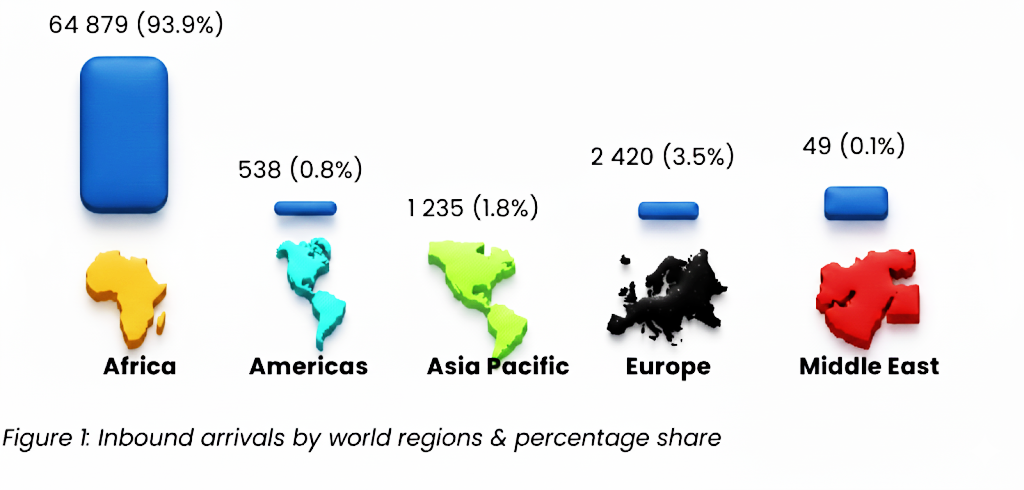
During the Festive and Incwala season, Eswatini recorded a total of 140,453 inbound arrivals indicating robust tourism activity over the peak travel period of 22 December 2025 to 6 January 2026. International visitors accounted for 69,121 arrivals, reflecting sustained demand from both regional and selected long-haul markets. The remaining 71,332 arrivals (50.78%) were attributed to returning Emaswati living outside the Kingdom, underscoring the critical role of diaspora travel during the festive season. This strong diaspora presence continues to drive tourism-related economic activity, particularly benefiting key sectors such as hospitality, accommodation, transport, retail, and cultural events, which remain central to peak-season visitor engagement. A comparative review of the peak holiday period (22–26 December 2025) shows that inbound travel increased by 25.1% compared to the same period in 2024, reaching a total of 43,537 visitors.
In terms of source markets, South Africa (46,531 arrivals) and Mozambique (11,889 arrivals) remained the dominant contributors to inbound travel. Collectively, the Southern African region accounted for over 92.7% of total arrivals, reaffirming its central role in Eswatini’s tourism performance. Importantly, despite the prevalence of adverse wet weather conditions during the period under review, Eswatini sustained measurable inflows from key overseas markets, including the United States, France, the United Kingdom, the Netherlands, and Germany, demonstrating resilience in international demand.
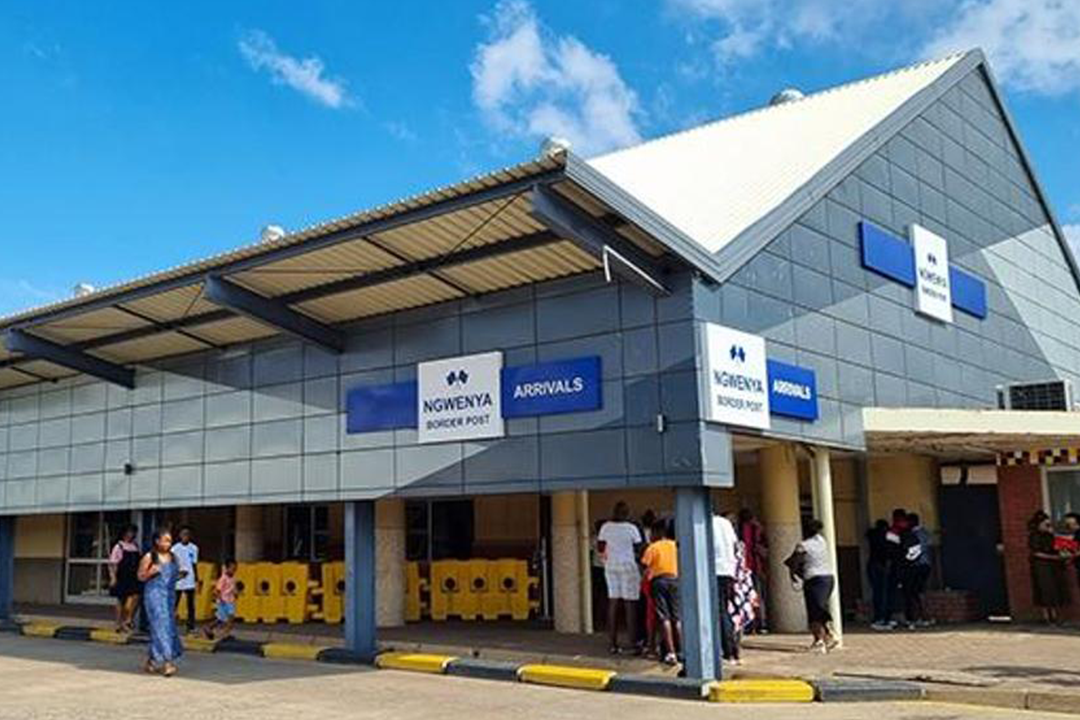
Analysis of points of entry indicates that the Ngwenya border post remained the primary gateway into the Kingdom, recording 45,271 arrivals, inclusive of both international visitors and returning residents. This was followed by Matsamo with 20,051 arrivals, while Mahamba (16,125) and Lavumisa (15,215) also recorded significant visitor volumes. These patterns underscore the strategic importance of Eswatini’s land border infrastructure in facilitating regional mobility and tourism flows during peak travel periods.
Accommodation performance
Accommodation establishments across the country recorded a moderate and relatively stable performance during the 2025 festive season. An overall average occupancy rate of 50.6% was achieved, reflecting maintained accommodation use during the review period amid challenging economic conditions. Occupancy levels increased modestly around public holidays and year-end celebrations; however, the usual high-demand peaks typically observed during this period were not evident.
Hotels recorded the highest occupancy rate at 55.0%, reflecting their continued role as the primary accommodation option during the festive period. Guesthouses followed at 34.0%, game and nature parks recorded an occupancy rate of 42.5%, while bed and breakfast facilities registered 47.0%. Within the Manzini-Mbabane corridor, performance varied across key destinations. Mbabane recorded the highest occupancy rate at 61.0%, while Ezulwini and Manzini followed at 59.3% and 58.5% respectively, reflecting varying levels of utilisation across destinations during the review period.
Year-on-year comparisons show only marginal variations in accommodation performance, underscoring relative stability despite prevailing cost pressures faced by both consumers and service providers. For the period 22–26 December 2025, average room occupancy increased slightly from 46.0% in 2024 to 49.8% in 2025. This outcome reflects maintained activity levels amid constrained household and regional economic conditions. Similarly, the peak Christmas period (24–26 December) recorded a modest increase in average occupancy from 53.5% in 2024 to 57.1% in 2025, indicating continued travel activity during core holiday dates. Restaurant bookings for Christmas lunch were notably high, with attendance ranging between 85% and 100%. Economically, this contributed to short-term employment opportunities, increased hospitality sector revenue, and stimulated local supply chains during the peak festive period.
Tourism activity during the festive season was primarily sustained by domestic travel, complemented by regional visitors. Travel parties largely comprised families, friends, relatives, and couples, reflecting a preference for shared travel during the holiday period. School holidays and leave periods for working parents contributed to longer stays, particularly within hotel and self-catering establishments. A wellness-oriented travel pattern was evident, with visitors prioritising rest, family time, and flexible accommodation arrangements rather than high-expenditure travel experiences.
The latter part of the festive season coincided with significant cultural tourism activity, most notably the Incwala Ceremony held on 6 January 2026 at the Ludzidzini Royal Residence. While the ceremony remains a sacred national event, it also contributed to increased domestic movement, short-stay accommodation demand, and localised economic activity in surrounding areas. The convergence of festive travel and cultural participation reinforced tourism’s role in supporting heritage preservation and community-level economic participation.
Conclusion
Overall, the 2025 festive season tourism performance reflects relatively stable activity levels supported mainly by domestic travel and cultural participation. Performance trends should be interpreted within the context of subdued economic conditions across key source markets, which continue to influence travel frequency, length of stay, and expenditure patterns. Despite these constraints, tourism activity during the period remained functional and contributed to local economic activity during one of the country’s busiest travel seasons.


