


EDITORIAL
MBABANE – South Africa’s anti-immigration protests today were not just a South African domestic matter. For Eswatini, they were a loud warning that when our neighbour shakes, our shelves, buses, traders, students, workers and families can feel the tremor almost immediately.
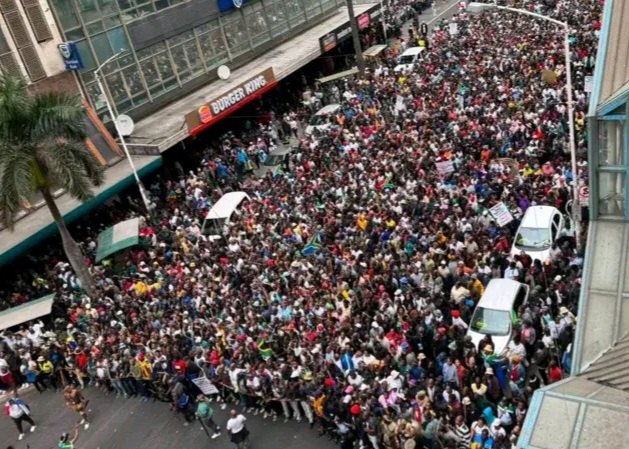
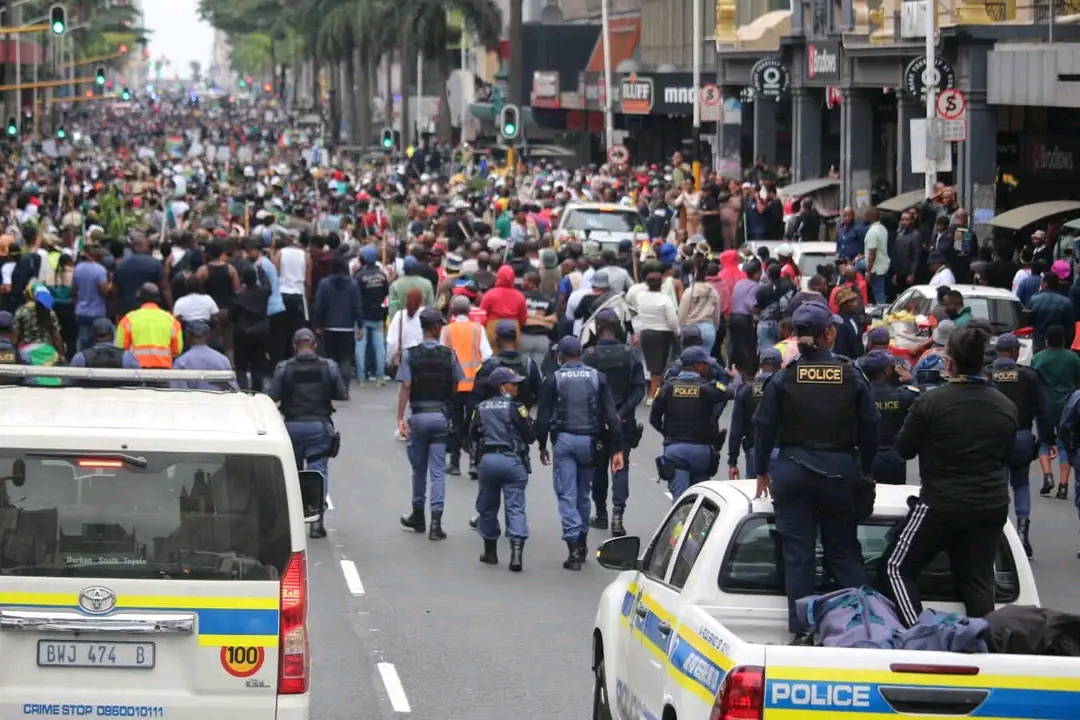
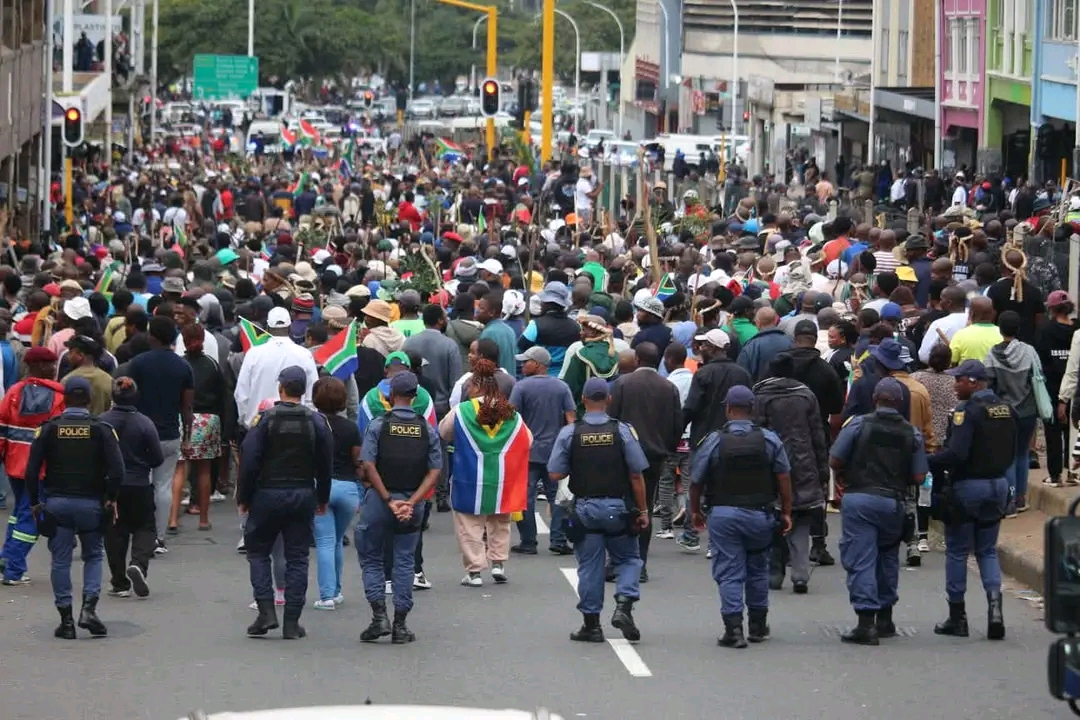
The protests, driven by groups demanding that undocumented immigrants leave South Africa, unfolded under heavy police deployment across major cities including Johannesburg and Durban. Reports indicated that some foreign-owned shops closed in fear, migrants fled or sought help from embassies, and authorities moved to prevent violence after weeks of rising tension. Reuters reported that marches took place nationwide, with some areas experiencing violence, looting and police clashes.
For emaSwati living, working, studying or trading in South Africa, the situation is deeply concerning. Even those with valid papers may feel exposed when public anger turns against ‘foreigners’ as a group. In such moments, documentation does not always protect dignity, peace of mind or physical safety. A Swati vendor in Johannesburg, a student in Durban, a truck driver in Mpumalanga or a domestic worker in Gauteng may not be the target of the law, but can still become the victim of fear, suspicion and street-level hostility.
The South African Government has already dismissed as fake the widely circulated claim that all undocumented foreigners had been ordered to leave by June 30. AFP Fact Check reported that authorities said no such directive had been issued, and that the use of official state symbols on the poster was unauthorised and misleading.

That distinction matters. Immigration enforcement is a legal function of the state, not a street campaign. Once ordinary people begin deciding who belongs and who does not, the result is panic, economic disruption and the dangerous normalisation of mob justice.
Eswatini must watch this matter carefully because our economy is tightly tied to South Africa. According to the US International Trade Administration, about 72 percent of Eswatini’s imports come from South Africa, while about 68 percent of Eswatini’s exports go to South Africa. World Bank trade data also shows South Africa as Eswatini’s largest import partner, accounting for 73.76 percent of imports in 2023.
This means the protests are not only a human rights concern. They are a cost-of-living concern. They are a business continuity concern. They are a national supply-chain concern.
When South African cities experience unrest, Eswatini’s small businesses begin to count losses before goods even reach the border. Many shops in Mbabane, Manzini, Nhlangano, Siteki and Pigg’s Peak depend on stock sourced from South African wholesalers. Hardware materials, groceries, clothing, vehicle parts, medical supplies, fuel-related products, packaging materials and machinery often pass through South African roads, depots and ports before landing in Eswatini.
If trucks delay, prices move. If wholesalers close, orders pile up. If foreign-owned shops in South Africa shut down out of fear, cross-border traders lose access to affordable suppliers. If transport operators avoid certain routes, local businesses face higher logistics costs. If uncertainty continues, consumers in Eswatini may eventually pay more for basic goods.
This is where the real danger lies. Eswatini may not be burning, but it can still be economically scorched by instability next door.
The protests should therefore push Eswatini into a serious national conversation on trade resilience. We cannot change geography. South Africa will remain our largest neighbour and most important trading partner. That relationship is valuable and must be protected. But dependence without buffers is risky.
Government, the private sector and logistics players must strengthen contingency planning. Importers should identify alternative suppliers in Mozambique, Botswana, Namibia and beyond where practical. Local producers should be supported to fill gaps in food, clothing, construction inputs and daily consumer goods. Border agencies must remain alert and efficient so that lawful movement of goods and people is not unnecessarily delayed.
At the same time, emaSwati in South Africa need practical support. The Eswatini diplomatic mission should continue monitoring high-risk areas, sharing verified safety information and assisting citizens who may feel threatened. Families at home must avoid spreading unverified panic on social media, because misinformation can worsen fear. Those in South Africa should keep identity documents, permits, passports and emergency contacts secure, and avoid protest hotspots where possible.
South Africa also has a responsibility to protect all people within its borders, regardless of nationality. Legitimate concerns about undocumented migration, crime and jobs must be handled through lawful institutions, not intimidation. The anger of unemployed South Africans is real, but it must not be converted into violence against African neighbours who are also trying to survive.
For Eswatini, the lesson is clear: our national development agenda must include economic self-strengthening. Every local factory opened, every farmer supported, every youth enterprise funded, every logistics route diversified and every export market expanded reduces vulnerability. This is not a call to turn away from South Africa. It is a call to stand more firmly on our own feet while maintaining strong regional cooperation.
The positive opportunity from this crisis is that Eswatini can act before disruption becomes disaster. We can use this moment to accelerate local production, improve food security, support MSMEs, strengthen border readiness and protect citizens abroad. A nation that learns quickly from regional shocks becomes stronger.
Today’s protests in South Africa should not be viewed as distant noise. They are a reminder that Eswatini’s safety, trade and prosperity are connected to regional stability. When fear rises in Johannesburg, Durban or Pretoria, it can reach our shops, our homes and our wallets.
The answer is not panic. The answer is preparation, unity and smart economic planning.