


BY TANDZILE DLAMINI
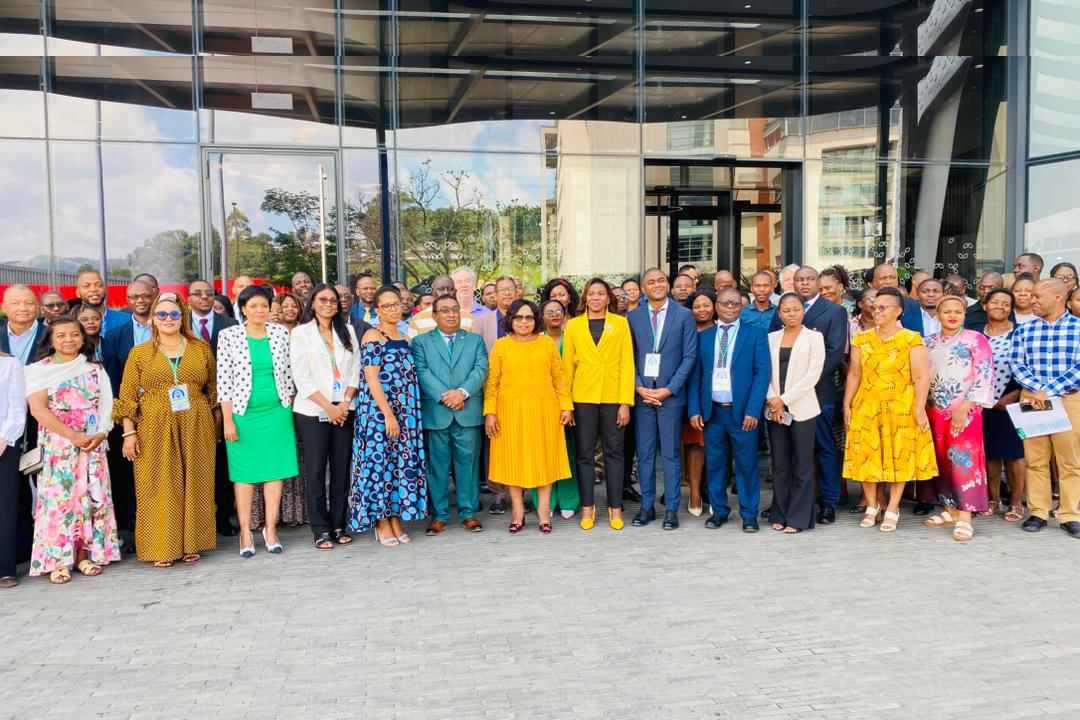
MBABANE – Policymakers, climate experts, and regional leaders met at Hilton Garden Hotel on 28 January 2026 for SARCOF-32, stressing the need for stronger early warning systems and coordinated regional responses to extreme weather.
SARCOF-32 brought together SADC member states, the World Meteorological Organization, and international partners to discuss strategies for climate resilience across sectors including agriculture, water, energy, and health.
Minister Jane Mkhonta-Simelane stressed Eswatini’s commitment to evidence-based climate action, highlighting the recent floods that affected South Africa, Mozambique, and parts of Eswatini as a stark reminder of the interconnected risks across borders. She called for mainstreaming resilience into national development plans and prioritizing gender, youth, and community inclusion in climate initiatives.
Dr George Ah-Thew, Acting Director of Infrastructure at the SADC Secretariat, noted that more than 1.3 million people in the region had been affected by heavy rains and flooding since December 2025, with thousands displaced and critical infrastructure damaged. He underscored the importance of co-designed early warning systems and regional solidarity in disaster response, noting SADC’s deployment of an Emergency Response Team to Mozambique.

The forum’s theme, “Closing the Early Warning Gap Together within the SADC Region,” aligns with the global Early Warning for All initiative, which seeks universal coverage by 2027. Discussions at SARCOF-32 will focus on improving the practical use of climate services, advancing user-centric forecasts, and strengthening media capacity to effectively communicate risks to the public.
Policy dialogues are scheduled to address sector-specific challenges, particularly in agriculture, health, and climate change, with an emphasis on translating forecasts into actionable strategies for governments, communities, and private sector stakeholders.
As SARCOF-32 progresses, delegates are expected to provide practical recommendations that will inform regional policy, enhance early warning systems, and strengthen resilience against the escalating climate risks facing Southern Africa.
#SARCOF32 #ClimateResilience #SADC #EarlyWarningSystems #RegionalSolidarity