



BY MFANUFIKILE KHATHWANE
MALKERNS – Taiwan has stepped up efforts to transform Eswatini agriculture by equipping farmers with commercial vegetable and seed production skills.
The initiative is already producing results, with local growers supplying major supermarkets and some earning up to E2 000 a month from a single traditional vegetable variety.
The commitment was made on July 14,2026 during the opening of the Commercial Vegetable and Seed Production Training Workshop at the Mphophoma Conference Centre under Phase II of the Taiwan–Africa Vegetable Initiative (TAVI).
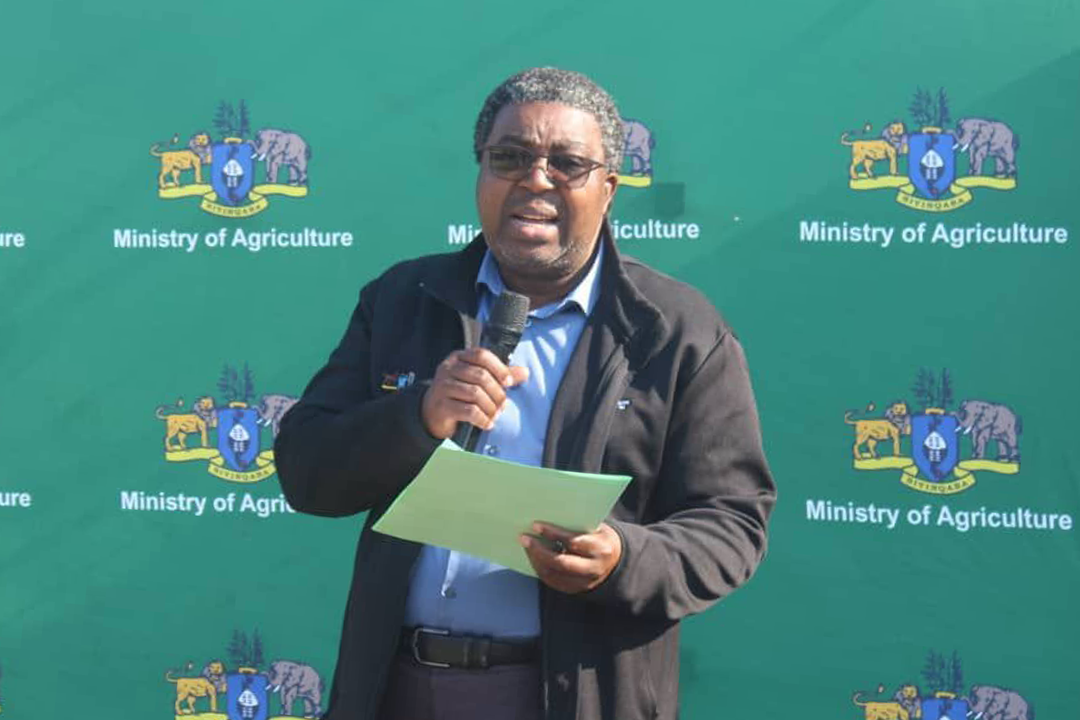
Speaking on behalf of the Ministry of Agriculture, Principal Secretary Sydney Simelane said the four-day workshop was a strategic investment in Eswatini’s agricultural future as the country seeks to strengthen food and nutrition security, create sustainable livelihoods and build a climate-resilient farming sector.
Simelane said agriculture remained the backbone of Eswatini’s economy, but the country could only unlock its full agricultural potential by addressing inconsistent production practices and inadequate seed quality management, which continue to limit commercial vegetable production.
He said the training would equip horticulture specialists and potential champion farmers with practical skills in commercial vegetable and seed production, focusing on Good Agricultural Practices (GAP), the Quality Declared Seed (QDS) system, Eswatini’s seed regulations, seed quality management, processing, packaging, storage, post-harvest handling and marketing.
The Principal Secretary said participants would also receive two newly developed technical manuals on Commercial Vegetable Production and Commercial Seed Production, which will provide practical, locally relevant guidance for farmers, extension officers and agricultural specialists, supporting the commercialisation of Traditional African Vegetables long after the training ends.
He said the programme would promote the production of Traditional African Vegetables such as amaranth, pumpkin leaves and okra, which are highly nutritious, well adapted to local conditions and more resilient to the effects of climate change.
Representing the Embassy of the Republic of China (Taiwan), Sofia Jeng said Taiwan was proud to have supported TAVI in Eswatini for nearly six years, helping increase the production and consumption of Traditional African Vegetables while improving the health and livelihoods of Emaswati.
Jeng said the World Vegetable Center, working closely with the Ministry of Agriculture, had developed the two technical manuals to help farmers commercialise vegetable and seed production and build a strong, sustainable vegetable industry in Eswatini.
She said the project was already delivering results, with local farmers now supplying traditional vegetables to major supermarkets and some earning up to E2 000 a month from producing a single traditional vegetable variety.
Jeng said the training would help farmers move beyond subsistence farming into profitable commercial agriculture by equipping them with practical, market-oriented skills needed to meet growing consumer demand.
She encouraged participants to make full use of the workshop and apply the knowledge to strengthen Eswatini’s vegetable value chain, saying commercial farming was no longer a distant dream but an emerging reality.
Reaffirming Taiwan’s long-term partnership with Eswatini, Jeng said Taiwan would continue working with the Ministry of Agriculture to share expertise and support agricultural development, describing the Kingdom’s farmers as the backbone of the country’s economic growth.
#Agriculture #Eswatini #Taiwan #TAVI #CommercialFarming #VegetableProduction #SeedProduction #FoodSecurity #ClimateSmartAgriculture