



BY MBONO MDLULI
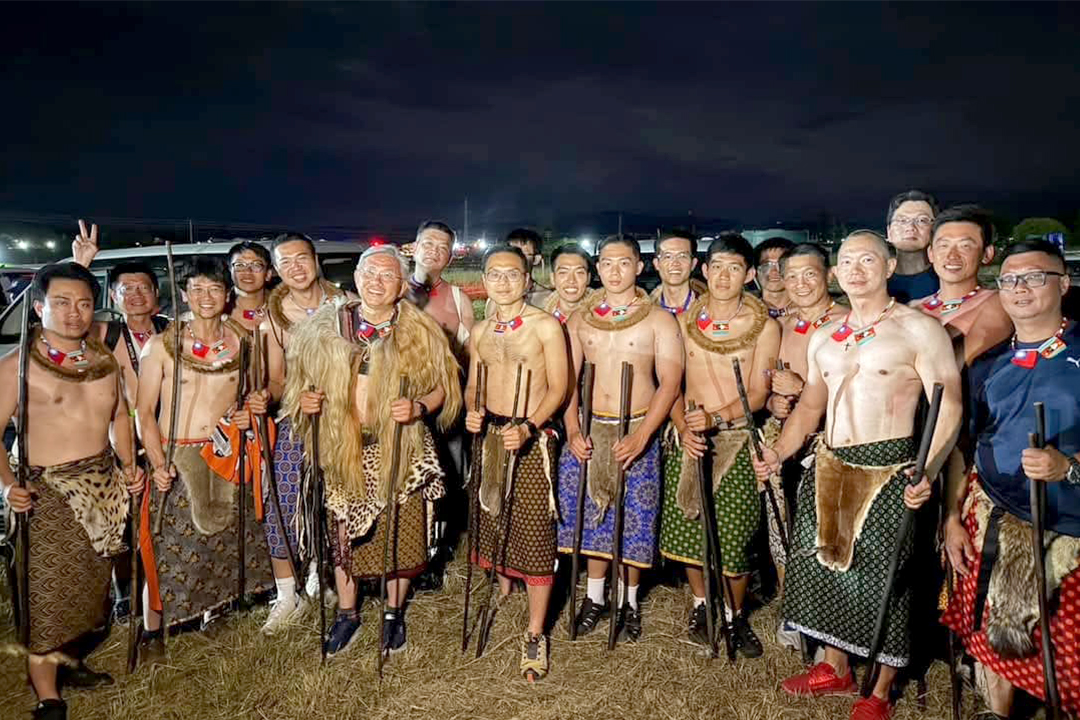
MBABANE– The Taiwan Libutfo has expressed deep honour and pride in celebrating Incwala, Eswatini’s most sacred national ceremony, describing it as the living heartbeat of the nation and a powerful symbol of unity, resilience and cultural continuity.
Incwala stands as a defining pillar of Eswatini’s identity, uniting the nation around shared values of respect, loyalty, discipline and renewal. Through this sacred tradition, Emaswati reaffirm their bond with the Monarchy, their ancestors and one another, strengthening the moral and spiritual foundations of the Kingdom.
In its message of solidarity, the Taiwan Libutfo acknowledged the profound role Incwala plays in preserving Eswatini’s rich cultural heritage across generations. The ceremony is not only a moment of spiritual renewal, but also a reminder of the collective responsibility of citizens to uphold national unity, peace and hard work for the prosperity of the country.
The Taiwan Libutfo highlighted that Incwala continues to inspire resilience among Emaswati, especially in times of global uncertainty. The discipline, sacrifice and patriotism displayed during the ceremony reflect values that are essential for nation-building and social cohesion. Through song, ritual and collective participation, Incwala reinforces the strength found in togetherness and shared purpose.

As the nation gathers during this sacred period, the Taiwan Libutfo extended its well wishes for continued peace, stability and prosperity in the year ahead. The ceremony serves as a powerful reminder that Eswatini’s strength lies in its traditions, its people and its unwavering respect for the Monarchy.
The Taiwan Libutfo concluded by affirming its respect for Eswatini’s cultural institutions and its commitment to celebrating traditions that promote unity and mutual respect. With the spirit of Incwala guiding the nation forward, the message echoed a shared hope for renewal, progress and harmony.
(Courtesy Pic)


