
…creativity as an economic asset
…IP turns ideas into businesses
…eswatini brands urged to go global
… “made in eswatini” as a global brand
BY NELIWE NGUBANE
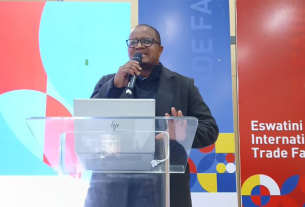
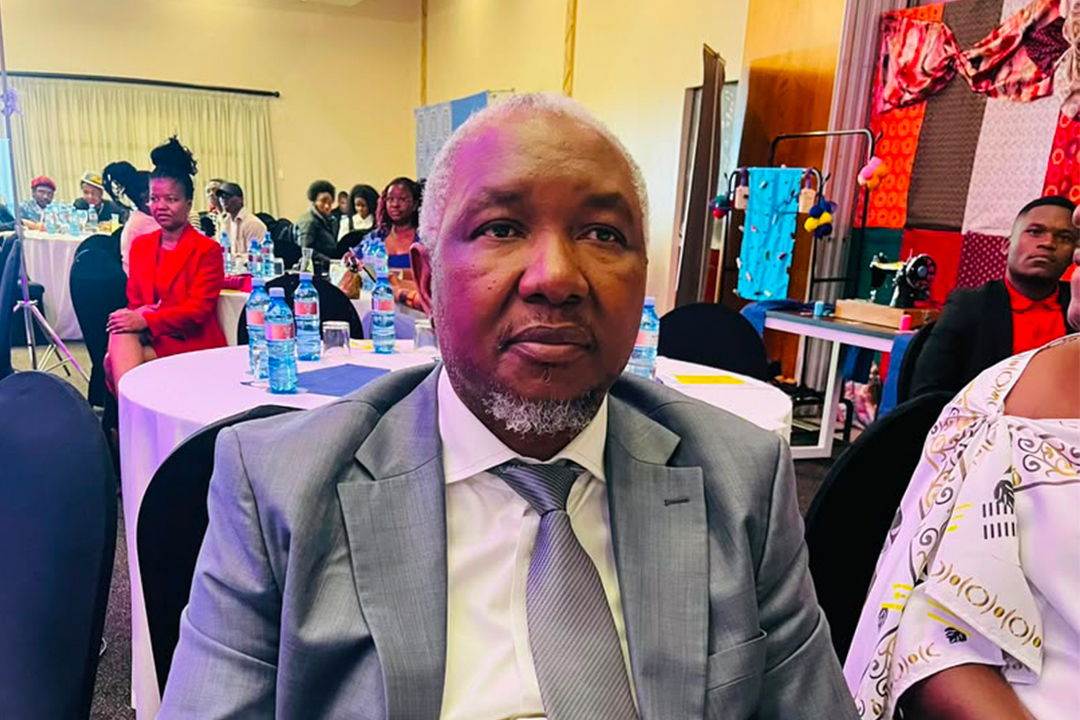
EZULWINI — The runway may have been set in Ezulwini, but the ambition for Eswatini’s fashion, furniture and creative industries must extend far beyond the country’s borders, according to Phesheya Dube, representative of the Minister of Commerce, Trade and Industry.
Dube made the remarks today at The Royal Villas during the IP RUNWAY: THE BUSINESS OF FASHION, FURNITURE & ART, held under the theme “Experience Eswatini.”
Addressing designers, entrepreneurs, innovators, government officials and members of the creative industry, Dube said creativity should no longer be viewed merely as something to celebrate, but as a foundation for economic growth.
“The runway today may be in Ezulwini, but the ambition must be much bigger. The runway should lead to the marketplace at the global stage.”
Dube said a sketch, design, piece of furniture, photograph, logo or unique product could begin as an idea, but its true economic value emerges when it is transformed into an asset, brand and business.
He described the IP Runway as more than a fashion showcase, saying it represented a journey from creativity to protection, commercialisation, enterprise, jobs, exports and economic growth.
He challenged young creatives to move from simply identifying themselves as talented individuals to becoming entrepreneurs with legally protected assets and businesses.
“We want to see young people move from ‘I have a talent’ to ‘I have a business’.”
Dube further highlighted intellectual property (IP) as an economic tool, noting that trademarks can establish business identity, designs can become commercial assets, while copyright protects creative expression.
He urged creatives to ask important business questions, including who owns their brand, whether their designs are protected, whether their businesses can scale and attract investment, and whether they can enter regional and international markets.
BUILDING JOBS THROUGH CREATIVITY
According to Dube, a successful fashion business has the potential to benefit an entire value chain, including tailors, textile producers, cotton farmers, manufacturers, photographers, graphic designers, models, make-up artists, marketers, retailers and logistics providers.
He called for creative businesses to move beyond informal and once-off operations towards formal enterprises capable of accessing finance, entering supply chains, employing people and expanding into new markets.
Dube also encouraged designers to think beyond Eswatini’s domestic market, challenging them to create brands that can be recognised and valued in cities such as Johannesburg, Nairobi, London and New York.
“EXPERIENCE ESWATINI”
He said the “Experience Eswatini” theme presented an opportunity to turn the country’s identity, culture, stories and creativity into commercially valuable products without losing their authenticity.
Dube said “Made in Eswatini” should become more than an indication of where a product was manufactured, but should communicate quality, creativity, authenticity and excellence.
He urged designers to protect their names, designs and creative work, while also understanding their customers, costs and markets.
Dube further called on investors and the private sector to recognise creative enterprises as legitimate investment opportunities and urged government institutions to connect creatives with IP protection, finance, markets, manufacturing, technology and export opportunities.

“Eswatini does not lack creativity. We do not lack talent. What we must continue to build is the system that converts talent into sustainable economic value.”
He said the country’s creative sector should ultimately see its identity travel with its products into the global market.
Dube commended the Eswatini Intellectual Property Office (EIPO) and partners involved in the initiative, calling for collaboration between Government, industry, investors and creatives to ensure Eswatini’s creativity becomes an economic resource capable of creating sustainable livelihoods and businesses.
#IPRunway #ExperienceEswatini #FashionEswatini #CreativeEconomy #IntellectualProperty #MadeInEswatini #FashionBusiness