



BY GCWALISILE MHLABANE
MBABANE– Two children remain the most preferred family size among young people, with many aspiring parents saying they want to start families when they have achieved financial stability and personal readiness.
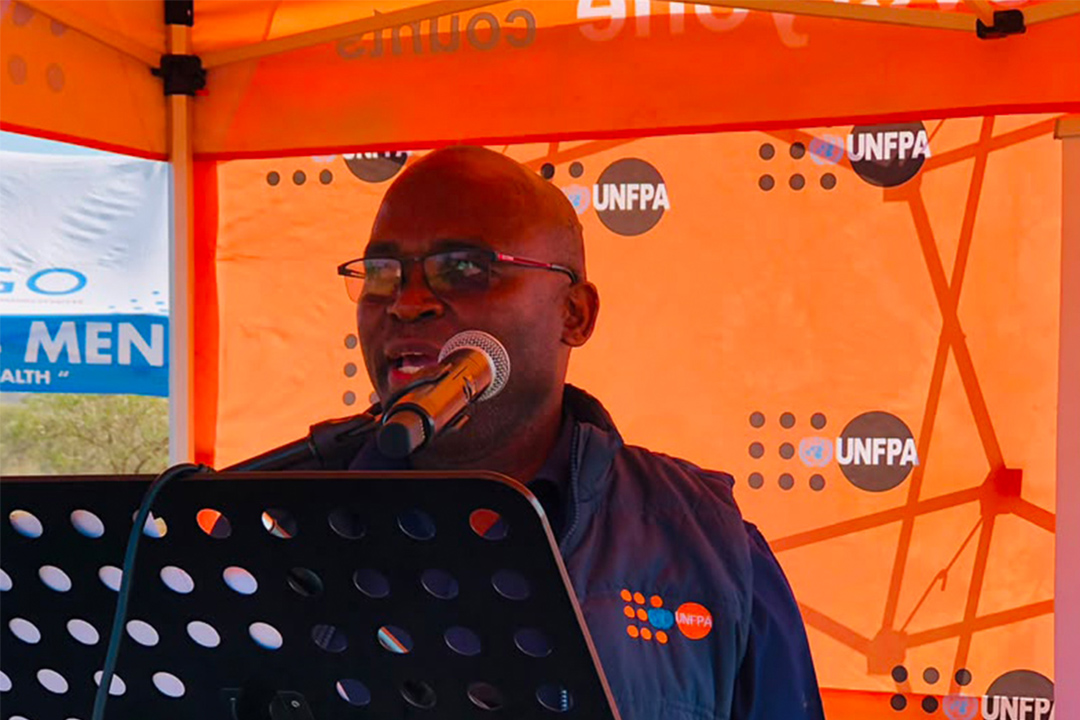
This was revealed during the commemoration of World Population Day 2026 held at Somntongo Inkhundla in the Shiselweni Region, where United Nations Population Fund (UNFPA) Strategic Information Specialist Lucas Jele presented findings from the 2025-2026 Demographic Futures Survey.
The survey explored the views of more than 108 000 internet-connected respondents aged between 18 and 39 years across 73 countries, focusing on what shapes young people’s decisions regarding relationships, parenthood and their future aspirations.
Jele said the findings show that parenthood remains an important aspiration among young people, with two children being the most commonly reported ideal family size among respondents.
He, however, noted that young people want to create families under conditions that allow them to provide adequately for their children.
The survey revealed that financial security is the highest-rated precondition for becoming a parent, with 88 per cent of respondents identifying it as important. This was followed by stable employment at 87 per cent and emotional readiness at 85 per cent.
Jele said the findings highlight that young people are not rejecting parenthood but are seeking the necessary conditions to raise families successfully.
“Realising the hopes and aspirations of young people today directly shapes Eswatini’s future developmental pathways,” said Jele.
He explained that economic uncertainty, limited employment opportunities, access to education and healthcare, and inequality remain some of the major concerns affecting young people’s decisions about the future.
The survey further showed that economic and housing constraints are among the biggest barriers preventing young people from having the families they desire.
Jele said these findings demonstrate the importance of investing in young people as the country works towards harnessing the demographic dividend.
He emphasised the need for quality education, digital literacy, vocational skills development, access to sexual and reproductive health services, and greater inclusion of young people in decision-making processes.
“Young people should not only be seen as beneficiaries of development but as active participants and architects of the future we collectively aspire to build,” he said.
The presentation also highlighted that while challenges remain, many young people maintain a positive outlook, with two thirds of respondents indicating that they feel somewhat or very positive about the future despite concerns over economic insecurity, conflict and inequality.
World Population Day, established by the United Nations Development Programme in 1989 following the 1987 “Day of Five Billion”, seeks to raise awareness on population issues and their connection to human rights, health and sustainable development.
The 2026 commemoration was held under the theme “Realizing the Hopes and Aspirations of Young People—Today and for the Future”, calling for greater investment in young people to enable them to thrive and contribute to society.
#WorldPopulationDay2026 #FamilyPlanning #YouthAspirations #UNFPA #EswatiniDevelopment #DemographicDividend