



BY GCWALISILE MHLABANE
LOBAMBA— For Linda Li, travelling to Eswatini meant more than simply visiting another country. It offered her the chance to stand among thousands of people at Ludzidzini Royal Residence and experience a culture she had previously only heard about from afar.
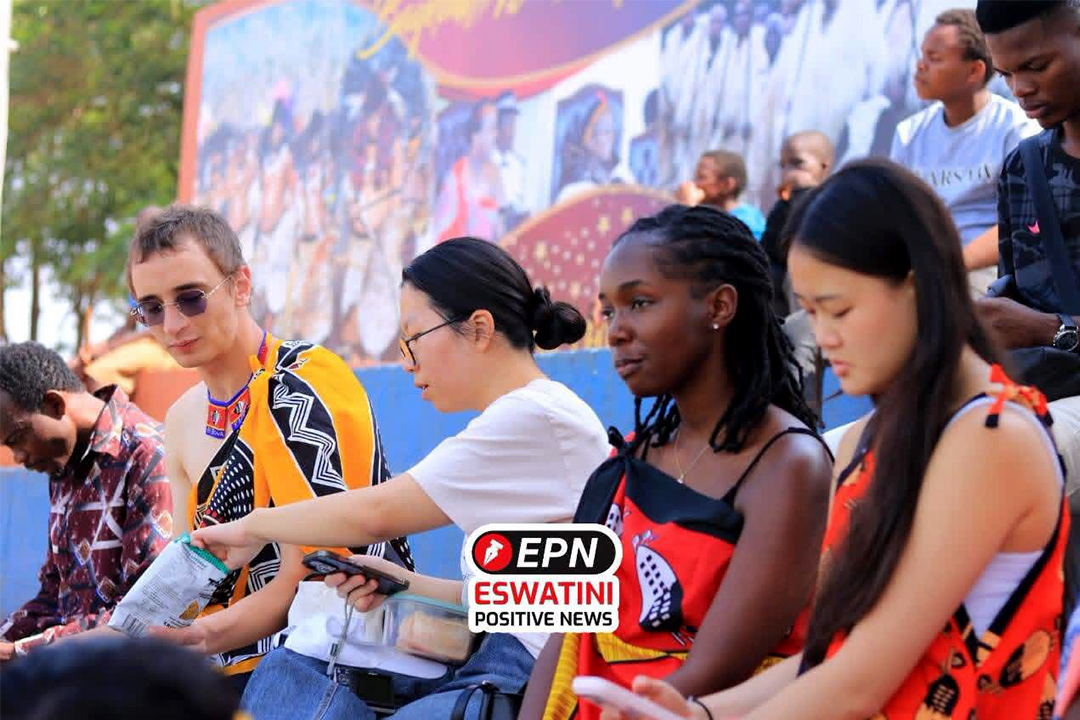
Born in China and now based in the United States, Li is among international tourists who have travelled to the Kingdom for Umhlanga 2026, transforming one of Eswatini’s most treasured cultural celebrations into a meeting point between EmaSwati and visitors from across the world.
As thousands of Imbali filled Ludzidzini with traditional songs, colourful attire and rhythmic dancing during the Main Day on Monday, August 31, visitors from countries including the United States, Indonesia and Scotland were getting a first-hand experience of a tradition that has been passed from one generation to another.
For many of them, Umhlanga is not simply something to photograph or watch from the sidelines. It is an opportunity to understand Eswatini through its people, customs, music, hospitality and deeply rooted cultural traditions.

Li, who is attending Umhlanga for the first time, said the experience had already gone beyond what she expected.
“I am very excited to experience Umhlanga for the first time. The culture is so vibrant, and I have really appreciated the warmth and friendliness of the people here,” she said.
The sheer size of the gathering particularly caught her attention. Seeing thousands of young women assembled together, proudly celebrating their heritage, offered her a picture of Eswatini that could hardly be captured through photographs or travel brochures alone.
Indonesian tourist Juvita Nur is also experiencing the Reed Dance for the first time.
For Nur, the journey has offered an opportunity not only to witness the spectacle of Umhlanga but also to gain a deeper understanding of the traditions and values behind the ceremony.
“I am excited to experience Umhlanga for the first time and to learn more about the rich culture and traditions of Eswatini,” she said.
Her interest reflects one of Umhlanga’s increasingly important roles — introducing international visitors to Eswatini beyond conventional tourist attractions.
The annual ceremony gives visitors an opportunity to witness living culture rather than history preserved only in museums or books. Traditional songs, dance, attire, discipline and the participation of thousands of Imbali bring the Kingdom’s cultural identity to life before their eyes.
Scottish tourist Dakem Tenzing-Jenkons is visiting Eswatini for the second time, although Umhlanga 2026 marks her first experience of the Reed Dance.
Even before witnessing the Main Day, she said she had been impressed by both the preparations and the hospitality she received from EmaSwati.
“I have already had a wonderful experience in Eswatini. The people are very warm and friendly, and I am really looking forward to experiencing Umhlanga. The preparations have been impressive and seem very well organised,” she said.
Such experiences carry significance beyond the royal grounds at Ludzidzini.
Every international visitor who travels to Eswatini for Umhlanga potentially contributes to a much wider tourism value chain.
Hotels and lodges accommodate visitors, restaurants serve additional customers, transport operators move tourists between destinations, while tour guides, local traders, artisans and other small businesses have an opportunity to benefit from increased activity during the cultural season.
This means the songs and dances witnessed at Ludzidzini can also translate into economic activity for ordinary businesses and communities.
At the centre of it all, however, remain the thousands of Imbali.
Their traditional attire, singing, dancing, discipline and unity give Umhlanga its unmistakable identity and create the spectacle that continues to attract attention far beyond Eswatini’s borders.
Their participation also demonstrates something equally important: Eswatini’s cultural heritage is not simply being remembered — it continues to be actively practised and embraced by younger generations.
For international tourists, that authenticity is part of the attraction.
They are able to encounter a living tradition, interact with EmaSwati and return home carrying personal stories and memories of the Kingdom.
In that sense, visitors such as Li, Nur and Tenzing-Jenkons can become informal ambassadors for Eswatini. Their experiences, photographs and stories shared with families, friends and communities abroad have the potential to introduce even more people to the Kingdom.
Umhlanga therefore becomes more than a national cultural celebration. It becomes a platform through which Eswatini can tell its story internationally — through culture, hospitality and the personal experiences of those who visit.
As Umhlanga 2026 reaches its climax at Ludzidzini Royal Residence, the colourful traditional attire, powerful songs and rhythmic dancing of thousands of Imbali are offering visitors a lasting picture of the Kingdom.
For some, it is their first encounter with Eswatini. For others, it could become the reason they return.
And as tourists from different corners of the world watch, learn and celebrate alongside EmaSwati, Umhlanga is once again demonstrating that Eswatini’s culture is not only being preserved for future generations.
It is becoming one of the Kingdom’s strongest invitations to the world.