


BY NONCEDO SHABANGU
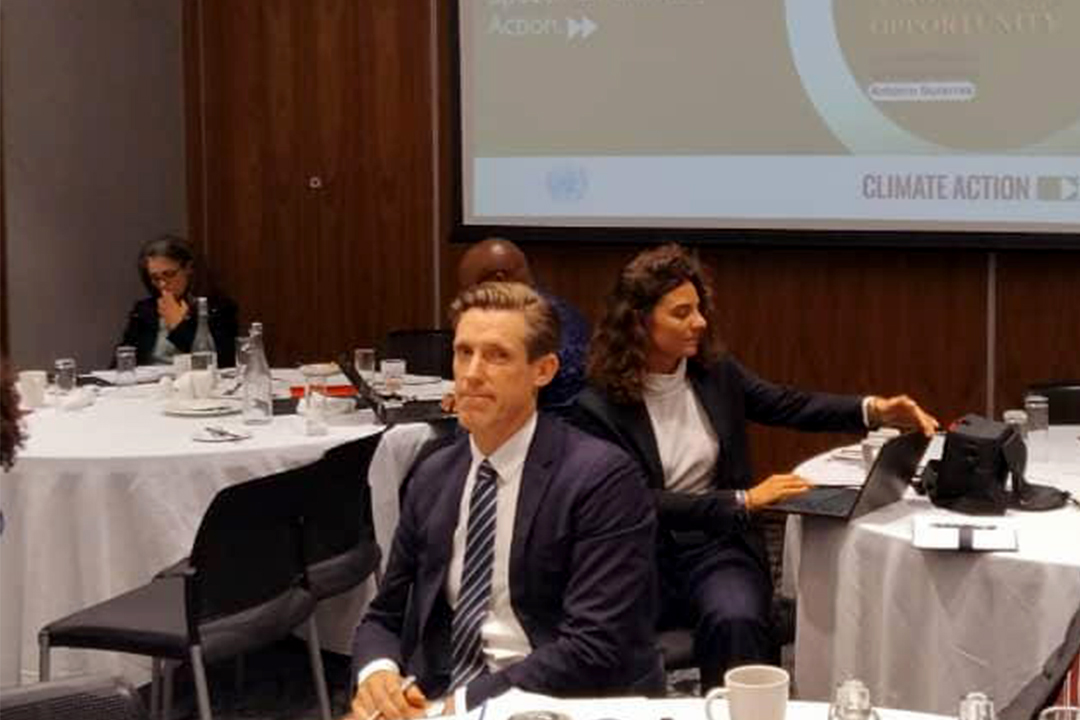
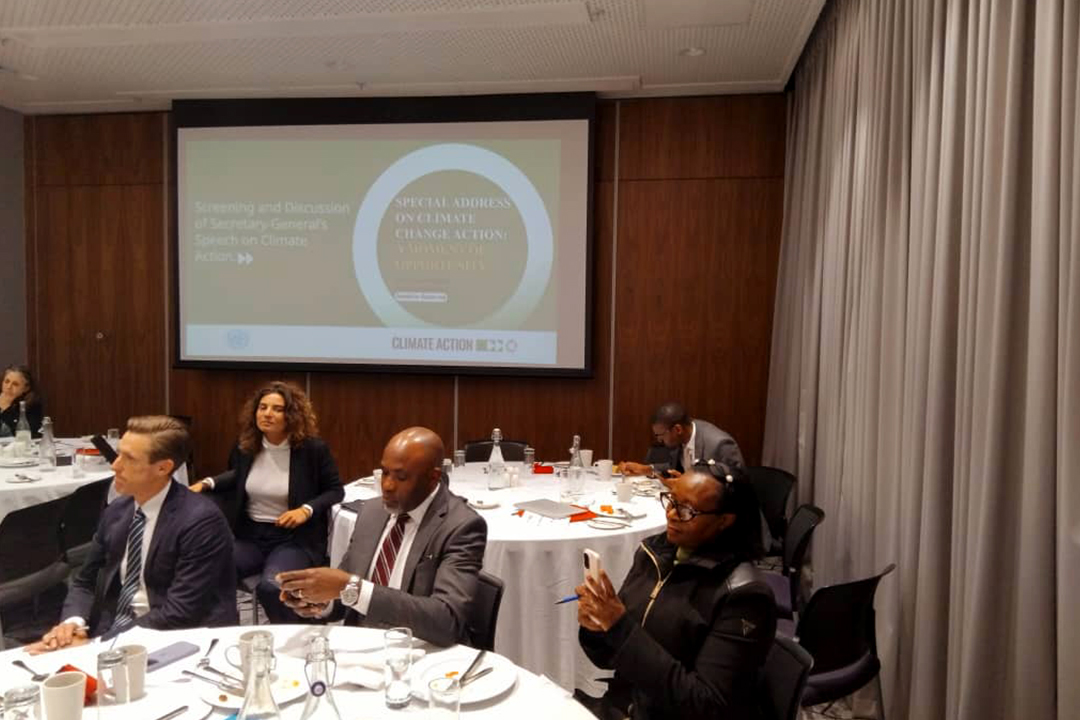
MBABANE- Eswatini is making important strides in its fight against climate change through a collaborative and inclusive approach that brings together government, civil society, the private sector, youth, and development partners. This was highlighted today, 23 July 2025, during the dialogue at Hilton Gardens Inn, where stakeholders reflected on the UN Secretary General’s Climate Speech 2025.
Henrik Franklin, UNDP Resident Representative, highlighted the significance of this “all of society” engagement as essential for creating sustainable solutions and accelerating the country’s just energy transition. He praised the Ministry of Tourism and Environmental Affairs for leading the development of the third edition of Eswatini’s Nationally Determined Contributions (NDC 3.0) and the Long Term Low Emissions Development Strategy (LT-LEDS).
“These frameworks represent bold decisions that balance job creation particularly for youth and prosperity, while addressing the pressing challenges of climate change, pollution, and biodiversity loss,” Franklin said.
UNDP continues to support Eswatini through its Climate Action initiative, aligned with the Paris Agreement and implemented in over 140 countries. This assistance, alongside generous funding from the European Union, the British Government, and others, is critical in helping the country strengthen its climate plans.

Recognising that climate action requires significant resources, Franklin backed the UN Secretary General’s call for mobilising financing, technology, and capacity both domestic and international. He pointed to UNDP’s collaboration with the Central Bank of Eswatini and partners in developing a Green Finance Taxonomy. This tool is expected to steer investments toward green growth by encouraging innovative financial instruments such as Green Bonds and tailored guarantees to promote sustainable investments.
Several UNDP supported projects were spotlighted, including the Catalyzing Renewable Energy Access and Transition in Eswatini (CREATE) project, which helps small businesses adopt renewable energy solutions with support from the EU. Another initiative is the RFM 1 Megawatt Solar Plant, funded by the Italian Government, aimed at reducing energy costs and emissions at one of Eswatini’s major hospitals.
Additionally, the Powering Gender Equality project supports women led start ups to implement clean energy solutions, backed by governments of the Republic of Korea and Luxembourg.
Beyond energy, UNDP works closely with other UN agencies such as FAO, WFP, and IFAD to promote climate smart agriculture and youth employment, addressing multiple dimensions of sustainable development.
While acknowledging the progress, Franklin stressed that “more resources are needed to fulfil Eswatini’s energy ambitions as outlined in the NDCs.”
The session closed with a call to action for all stakeholders to take the discussions back to their sectors to raise awareness and deepen climate efforts, ensuring that Eswatini’s climate vision translates into tangible impact across society.