



BY NOXOLO DLAMINI
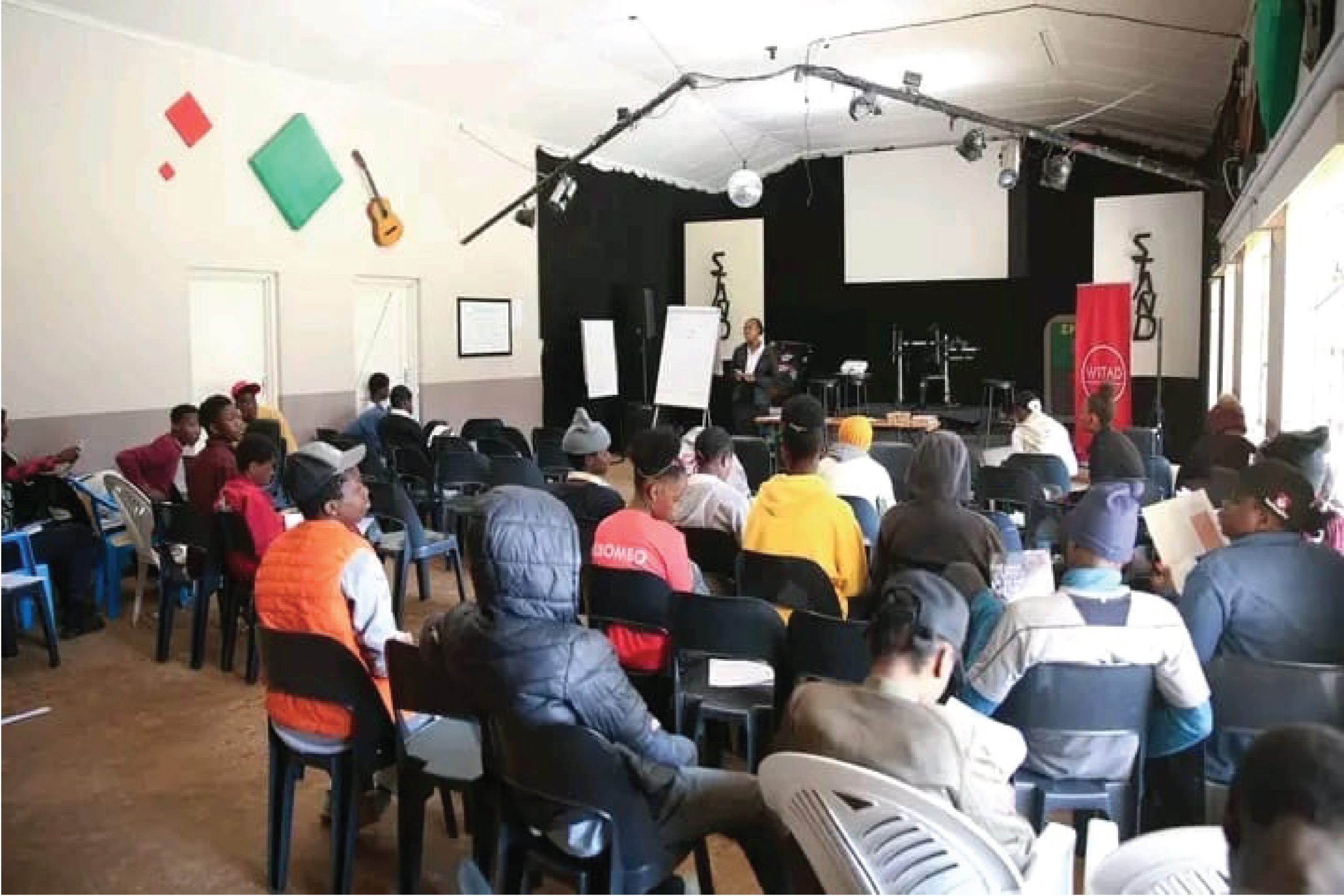
PIGGS PEAK- Young people in Bulembu are being equipped with practical skills to navigate the transition into independent community life, following a three-day training programme conducted by Women in Trade and Development (WITAD) from 18–20 August 2026.
The training brought together about 40 participants aged between 16 and 23, with the programme focusing on entrepreneurship and financial literacy, purposeful living and self-worth, Sexual and Reproductive Health and Rights (SRHR), and safeguarding and Gender-Based Violence (GBV) prevention.
The initiative forms part of a broader WITAD–Bulembu Ministries partnership aimed at addressing the transition gap faced by young people leaving structured care environments and preparing to become self-sufficient members of their communities.
WITAD’s main objective was to ensure that participants gained measurable knowledge and practical skills that could help them make informed economic, health and personal decisions. Pre- and post-training assessments were used to measure progress, with a target of at least 80 per cent of participants demonstrating improved knowledge across the key areas.
Entrepreneurship and financial literacy sessions moved beyond classroom theory, with participants identifying potential business opportunities through opportunity mapping and developing their ideas into profit-and-loss statements. They also worked with a hypothetical monthly income of E1,000 to develop personal budgets and explored good and bad debt, creditworthiness, blacklisting, revenue, costs and gross margins.
The practical approach was intended to prepare participants for real-life financial responsibilities, whether managing future wages, personal income or starting their own businesses.
The programme also placed strong emphasis on purposeful living and positive self-image, recognising that economic empowerment requires confidence and a sense of personal agency. Participants were encouraged to reflect on their identity, responsibility and future aspirations before moving into technical business skills.
SRHR, safeguarding and GBV prevention were equally central to the training. Participants explored puberty, early sexual debut, reproductive health decision-making, different forms of abuse and available reporting pathways.
Evaluation findings showed that while participants demonstrated strong conceptual understanding of safeguarding, with 85 per cent able to identify different forms of abuse and more than 70 per cent aware of reporting pathways, gaps remained around disclosure and trust. This highlighted the importance of creating safe environments where young people can confidently seek support and access appropriate referral services.
Interactive activities, quizzes, videos, stories and group exercises were used throughout the three days to accommodate the different ages and learning styles in the room. Younger participants responded particularly well to stories and videos, while older participants engaged more through structured discussions and note-taking. Older participants also served as informal peer mentors to younger members.
Among the notable observations was the positive response during mixed-gender discussions on SRHR and gender equality, where boys demonstrated empathy towards the consequences of early sexual debut on girls, including health challenges, interrupted education and reduced economic opportunities.
The training also revealed emerging concerns that WITAD intends to address in future programmes, including misconceptions around HIV treatment and U=U, as well as the impact of gambling and online betting on young people’s financial wellbeing.
One activity that particularly resonated with participants was the closing “Pledge to Self-Mastery” letter-writing exercise. Several participants requested to keep their letters, demonstrating a strong sense of personal ownership and commitment to the lessons learnt.
According to WITAD, the three-day programme is only the first phase of a broader transition pathway. Participants are expected to progress into technical and vocational skills training, including sewing, food processing and organic farming, followed by three months of structured one-on-one mentoring.
The organisation has also identified six in-school participants who are currently out of school for referral into its out-of-school youth programme, particularly through Technical and Vocational Education and Training (TVET) pathways.
In the long term, WITAD aims for at least 60 per cent of out-of-school participants to have started or be actively planning an income-generating activity within 12 months of the training, with progress monitored through mentoring and follow-up assessments.
The Bulembu training therefore marks more than three days of learning; it represents the beginning of a sustained effort to help young people build confidence, protect their wellbeing and develop the financial and entrepreneurial skills needed to become more independent and economically active members of society.
#WITAD#Bulembu #YouthEmpowerment #YouthDevelopment #Entrepreneurship #FinancialLiteracy #SRHR #GBVAwareness #Safeguarding #PurposefulLiving #PositiveSelfImage #SkillsDevelopment #TVET #YoungEntrepreneurs #EconomicEmpowerment
#Eswatini
(Courtesy Pic)