


BY NOKWANDA DLAMINI (INTERN)
MBABANE– The World Health Organization (WHO) has noted progress in Eswatini’s efforts to strengthen prevention, early response systems and overall health system resilience, as it continues to support the country in improving disease surveillance, mental health care, and public health preparedness, while also encouraging vigilance following confirmed Hantavirus cases in neighbouring South Africa.
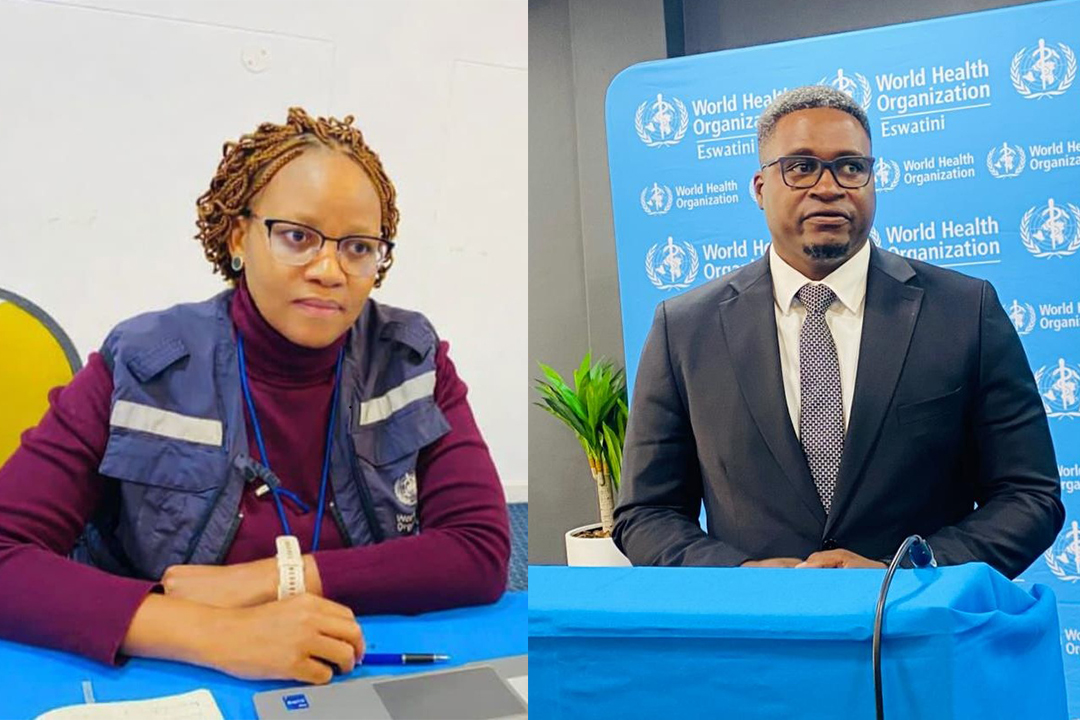
This was during a media engagement on May 12, 2026 where WHO Public Health Officer Dr Shepherd Machekera and NCDs Mental Health and Promotion Technical Officer Dr Nomthandazo Dlamini outlined ongoing support to the Ministry of Health in strengthening health security systems, expanding prevention programmes, and improving community-level health services.
Dr Machekera said WHO’s work in Eswatini is guided by evidence and national priorities aimed at reducing preventable deaths and improving responsiveness to health emergencies. He explained that the organisation is supporting disease surveillance systems, laboratory and genomic capacity, and risk communication and community engagement to ensure early detection and rapid response to outbreaks and other health threats.
“We focus on impact, equity and resilience,” he said, adding that WHO is also supporting digital health systems, research and innovation to improve service delivery and ensure decisions are based on trusted data.

On cervical cancer prevention, Dr Dlamini said Eswatini has achieved over 70% HPV vaccination coverage, while efforts continue to reach the global target of 90% for eligible girls before sexual debut. She said vaccination must be combined with screening and treatment to effectively reduce cervical cancer cases, which remain a major cause of death among women globally.
Dr Dlamini also highlighted mental health challenges, saying stigma and discrimination continue to prevent many people from seeking care. She noted that depression, anxiety and suicide are among the leading conditions identified in national data.
“Stigma remains one of the biggest barriers to care,” she said, adding that WHO supports countries with technical guidance to improve access and early intervention.She further stressed the importance of inclusive sexual health education, saying prevention of STIs requires engaging both boys and girls.
Dr Machekera added that WHO’s overall goal is to ensure stronger, more resilient health systems capable of responding effectively to outbreaks and emergencies. He also emphasized the role of the media in ensuring accurate health information reaches communities, describing it as a key partner in saving lives.
#WHO#EswatiniHealth#PublicHealth #HealthSecurity#Prevention #HPVVaccination #MentalHealth