By Phesheya Ian Kunene
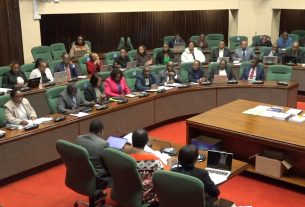
SITEKI — The YES Project, together with the European Union in Eswatini, convened key stakeholders and youth advocates today in Siteki to discuss critical community challenges facing the Lubombo region.
According to a statement shared by Kwakha Indvodza on their official social media platforms, the gathering brought together a diverse group of stakeholders, including community leaders, youth advocates, and representatives from various organisations.
The discussions focused on urgent issues such as gender-based violence (GBV), water scarcity, human rights, health and sexual reproductive health (SRH), as well as unemployment.

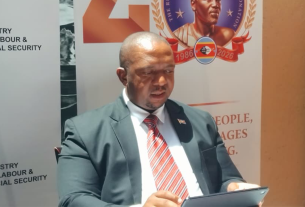
Representatives from the Ministry of Labour and Social Security, Swatini Action Group Against Abuse, Swaziland Rural Water Supply, Youth Enterprise Fund Eswatini, and the Swaziland Rural Women’s Assembly, Sicandvulo Sabomake, were among the panelists who shared innovative approaches and practical solutions.

They emphasized the need to create sustainable job opportunities, empower youth through skills development, and bolster community-based initiatives that promote resilience.
The statement highlighted that the meeting underscored a collective commitment to not only address immediate challenges but also to lay the groundwork for long-term growth, equality, and well-being.

“We concluded with the presentation of pilot action plans designed to empower local communities, alongside the distribution of an informative agenda booklet outlining the next steps for collaboration and implementation,” the statement read.
Furthermore, the gathering recognised the seed grant winner under the region, demonstrating an ongoing dedication to fostering community development and amplifying the voices of women and youth.

Kwakha Indvodza described the event as a significant milestone for the Lubombo region, noting that “collaborative efforts like these are vital for driving meaningful change and transforming lives across the region.”
Community groups such as COSPE Southern Africa, Swaziland Youth Empowerment Organization, Luvatsi, Swaziland Rural Women’s Assembly, Sicandvulo Sabomake, and the Gcama Mfati Women’s Network were also acknowledged for their involvement.
The meeting saw active participation from several local communities, including Lwandle, Malanti, Nkoyoyo, Godloza, Nhlambeni, Madulini, Mndobandoba, Siphocosini, Ntfonjeni, Tikhuba, and Ntandweni.
This collaborative platform reflects a growing momentum in regional efforts to combat social and economic challenges through partnership and empowerment.
(Courtesy Pics)